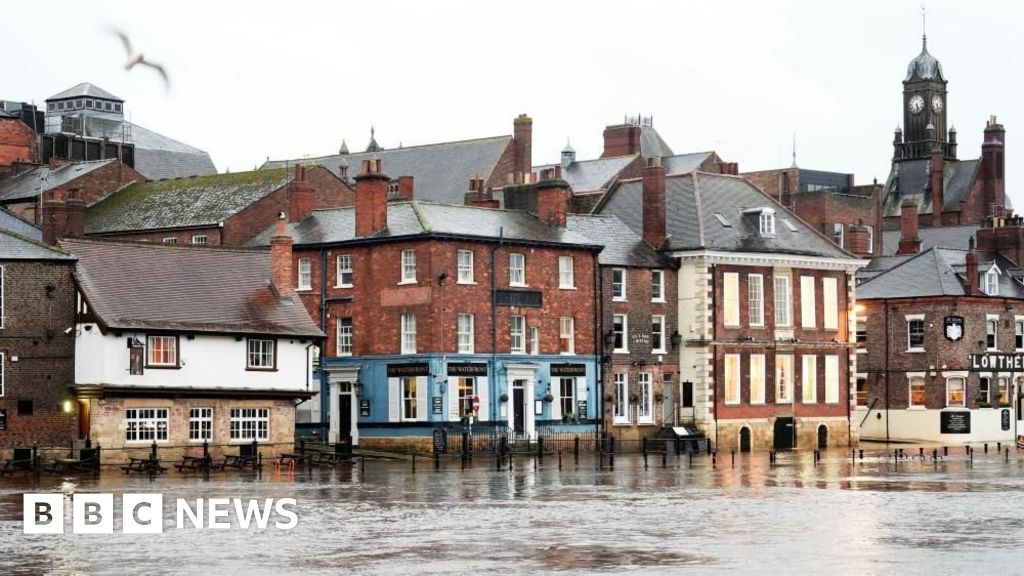
storm Bram Brings Flooding, Travel Chaos to the UK Following Recent Storms
A powerful storm system, dubbed Storm Bram, is currently sweeping across England and Wales, bringing notable disruption and widespread flooding. Dartmoor in Devon experienced nearly a month’s worth of rainfall in just 48 hours, according to senior broadcast meteorologists. This intense precipitation has led to ample flooding, particularly in towns like Totnes, where the River Dart overflowed its banks.
Widespread Travel Disruption
The heavy rainfall has severely impacted transportation networks across the region. Several rail services, including those heading to London, have faced cancellations and delays.
Here’s a breakdown of the affected rail lines:
* Par and newquay
* Totnes and Plymouth
* Swindon and Bristol Parkway
Furthermore, other services operated by Avanti West Coast, CrossCountry, East Midlands Railway, and TransPennine Express are also experiencing disruptions. You can find comprehensive details regarding these disruptions on the National Rail website.
Power Outages Affect Thousands
Thousands of homes and businesses across England and Wales were left without electricity as a direct result of the storm. As of late afternoon, over 4,000 properties remained without power, according to National Grid. Crews are working diligently to restore service, but ongoing conditions may delay full restoration.
Following on the Heels of Recent Storms
Storm Bram arrives on the scene shortly after Storm Amy caused similar issues in October. Both storms brought travel disruption, power outages, and damage to homes across the UK. This latest system is expected to continue causing disruption throughout Tuesday before gradually clearing on Wednesday.
Why the Jump Back to ‘B’? Understanding Storm Naming Conventions
You might be wondering why we’ve moved from Storm Claudia to Storm Bram – a return to the letter ‘B’ seems counterintuitive. The naming process isn’t solely dictated by the UK’s Met Office.
Here’s how it effectively works:
* The UK Met Office collaborates with Ireland’s Met Éireann and KNMI in the Netherlands to track major storm systems.
* Storms are named when thay are predicted to have a significant impact on at least one of these countries.
* Naming isn’t based on specific rainfall or wind speed thresholds.
* The list of storm names is jointly decided each year, with input from the public.
In this instance, Storm Bram was named by the Irish weather service, Met Éireann, as it was the first to anticipate significant impacts from this system within its region. Similarly, storm Benjamin was named by the French weather service, and Storm Claudia by the Spanish service, as those nations were initially expected to bear the brunt of those low-pressure systems.
This collaborative approach ensures that storms are named based on their potential impact across multiple countries, rather than a single nation’s perspective. Staying informed about these developments is crucial for your safety and preparedness.