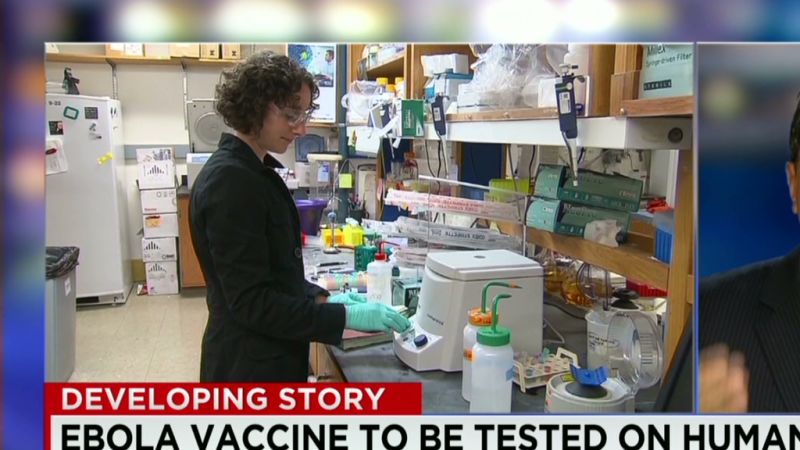
United Kingdom researchers are preparing to launch new human clinical trials for an Ebola vaccine, marking a significant step in international efforts to bolster preparedness against the deadly viral hemorrhagic fever. The upcoming studies, coordinated by academic and public health institutions, aim to evaluate the safety and immune response generated by a novel vaccine candidate, building on previous global initiatives to mitigate the impact of Ebola virus disease (EVD) outbreaks.
As a physician and health journalist, I have followed the evolution of vaccine development for high-consequence pathogens for over a decade. The necessity for reliable, scalable, and rapidly deployable vaccines remains a cornerstone of global health security, particularly given the high mortality rates associated with Ebola, which can reach up to 90% in some outbreaks according to the World Health Organization (WHO).
Clinical Trial Objectives and Methodology
The upcoming human trials in the U.K. are designed to assess the immunogenicity and safety profile of the candidate vaccine in healthy adult volunteers. Clinical trials of this nature typically follow a phased approach, beginning with Phase I to determine the appropriate dosage and to monitor for adverse reactions. According to guidelines from the Health Research Authority (HRA), all such studies must undergo rigorous ethical review and oversight to ensure participant safety and the integrity of the collected medical data.
Researchers involved in these trials utilize established platforms for viral vector vaccines, a technology that has proven effective in recent years for other infectious diseases. By introducing a harmless piece of the Ebola virus’s genetic material into the body, the vaccine prompts the immune system to recognize and neutralize the pathogen without causing the disease itself. This approach is intended to create a long-lasting immune memory, providing a shield against future exposure.
Global Context and the Need for Vaccine Innovation
Ebola remains a public health threat, particularly in sub-Saharan Africa. While vaccines such as Ervebo and Zabdeno have been previously authorized for use, the continuous development of new candidates is vital to address limitations in current supply chains, storage requirements, and efficacy against different viral strains. The Coalition for Epidemic Preparedness Innovations (CEPI) has consistently emphasized that maintaining a diverse portfolio of vaccine candidates is essential for responding to the unpredictable nature of viral evolution.
The U.K.’s involvement in these trials leverages the country’s robust clinical research infrastructure, including the National Institute for Health and Care Research (NIHR) network. By conducting trials in diverse settings, scientists can better understand how different populations respond to vaccination, which is a critical factor for global deployment strategies. These efforts are part of a broader international commitment to ensure that, when an outbreak occurs, medical countermeasures are available to contain the spread effectively.
What Participants and the Public Should Know
For individuals interested in the progress of these trials, transparency is maintained through official clinical trial registries. Prospective volunteers are screened extensively to ensure they meet health criteria before participating in any research study. Safety monitoring is continuous, with independent data monitoring committees (IDMCs) reviewing results in real-time to identify any potential risks immediately.
The path from clinical trial to regulatory approval is lengthy and involves multiple stages of validation. Once the initial human trials demonstrate safety, the vaccine must undergo larger Phase II and III trials to confirm efficacy in preventing infection in real-world settings. Regulatory bodies, such as the Medicines and Healthcare products Regulatory Agency (MHRA) in the U.K., will then review the comprehensive data packages before authorizing any product for wider clinical use.
As we monitor the commencement of these trials, the focus remains on the generation of high-quality data that can inform future public health policies. Further updates regarding trial recruitment milestones and preliminary safety findings are expected to be released through official academic and government channels in the coming months. Readers are encouraged to stay informed through verified medical sources and to share this information to promote public understanding of the importance of clinical research.
Related reading