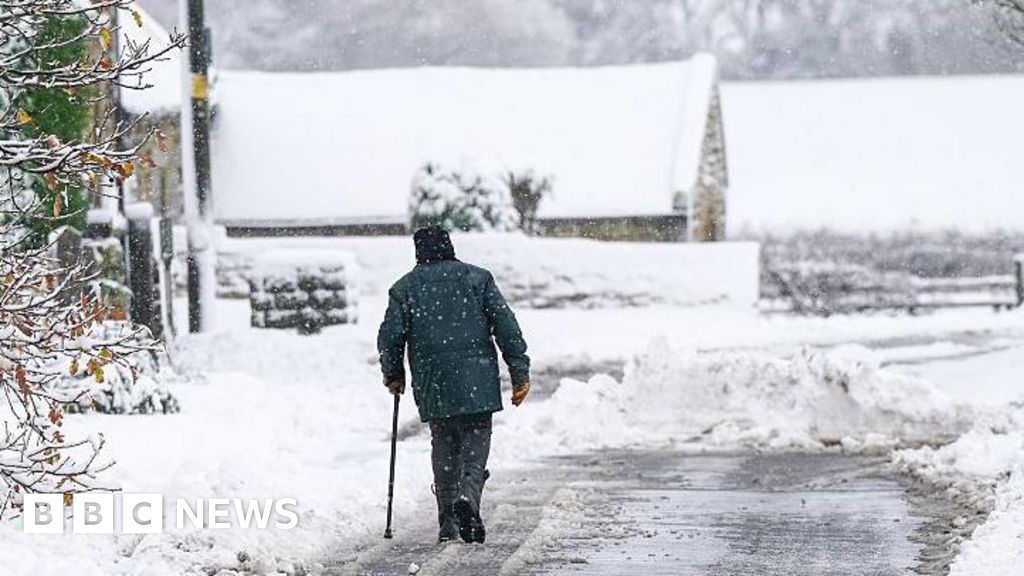
UK Weather Alert: Severe Snow and Ice Disruptions Expected – Here’s What You Need to Know
A widespread weather system is bringing meaningful snow and ice to the United Kingdom, prompting urgent warnings from the Met Office and health alerts from the UK Health Security Agency (UKHSA).Travel disruption is highly likely, and it’s crucial you stay informed and prepared. Here’s a detailed breakdown of what to expect and how to stay safe.
current Warnings – A Nation-Wide Impact
As of Friday,January 2nd,the following warnings are in effect:
* Amber Snow Warning (Scotland): Covering Angus,Perth and Kinross,Grampian,Aberdeenshire,Moray,and parts of the Highlands. This is the highest level of alert for snow, indicating potential for significant disruption.
* Yellow Snow and Ice Warnings: Encompassing large portions of England, Northern ireland, and Wales. These warnings signal potential hazards from slippery surfaces and accumulating snowfall.
* Amber Cold Health Alerts (England): Nationwide, extending until January 6th, 12:00 GMT. These alerts highlight increased risks to vulnerable populations.
What to Expect: Regional breakdown
Scotland faces the most severe conditions.Snow showers will intensify throughout the day,with accumulations of:
* Low Levels: 10-20cm expected.
* High Ground: 30-40cm possible, accompanied by drifting snow and blizzard-like conditions.
This level of snowfall could lead to stranded vehicles, isolated rural communities, and widespread cancellations of rail and air travel.
Elsewhere, yellow warnings indicate up to 5cm of snow is absolutely possible in areas including:
* Higher ground of North Wales
* North-west England
* North-west Midlands
Even smaller accumulations can create hazardous conditions on roads and pavements.
Travel Advice: Plan Ahead and Prioritize Safety
If you must travel, meticulous planning is essential. Police Scotland’s Head of Road Policing, Chief Superintendent Scott McCarren, advises considering whether your journey is truly necessary or if it can be postponed.
Here’s a checklist for safe travel:
* Check the Forecast: Stay updated with the latest information from the BBC Weather website or app. Conditions can change rapidly.
* Plan Your Route: allow extra time for your journey and consider alternative routes.
* Pack an Emergency Kit: Include these essentials in your vehicle:
* warm clothing (hat, gloves, scarf)
* Water and non-perishable snacks
* A blanket
* an ice scraper
* A fully charged mobile phone
Cold Health Alerts: Protecting Vulnerable Individuals
The UKHSA’s amber cold health alerts underscore the serious health risks associated with prolonged cold weather. these risks are particularly acute for:
* Elderly individuals
* People with pre-existing health conditions
* Those with limited mobility
The alerts also highlight potential issues within healthcare settings, such as:
* Falling indoor temperatures in hospitals and care homes.
* Difficulty maintaining a safe indoor temperature of 18°C (64°F).
What You Can Do to Protect Yourself and Others
* Check on vulnerable neighbors and relatives. A simple phone call or visit can make a significant difference.
* Stay warm. Dress in layers and ensure your home is adequately heated.
* Be aware of the signs of hypothermia and cold-related illnesses. Seek medical attention if you or someone you know is experiencing symptoms.
Staying informed and taking proactive steps will help you navigate these challenging weather conditions safely. Remember to prioritize your well-being and the well-being of those around you.
- The Staggering Cost of Red Tape: How Excessive Regulation is Crippling the Economy
- Most Demanded Degrees: Biological, Chemical, and Health Sciences
- Disappointing Update: No Graphic Changes or Tattoo Updates (world-today-news.com)
- Rick Steves Riga Rolling Case: Lightweight Carry-On for European Travel (time.news)