Ukraine Intensifies Pressure on Russian Oil Industry wiht Black Sea Tanker Attacks
By Dr. Elias thorne,Maritime Security & Geopolitical Analyst (Ret.)
Ukraine is escalating its campaign to disrupt Russia’s energy sector, shifting its focus to directly target oil tankers in the Black Sea. Recent attacks, utilizing elegant naval drones, have inflicted significant damage on two vessels – the Kairos and the Virat – as they were en route to Novorossiysk, a crucial Russian oil terminal. This represents a bold new phase in Kyiv’s strategy to cripple Moscow’s ability to finance its war effort and is a clear signal of increasing desperation and innovation on the Ukrainian side.
These attacks aren’t isolated incidents. For months, Ukraine has been employing long-range aerial drones to strike Russian oil refineries deep within Russian territory. However, targeting tankers directly addresses a critical vulnerability: Russia’s reliance on a shadowy network of vessels to circumvent Western sanctions and continue exporting oil to global markets.
The Shadow Fleet and Ukraine’s Plea for Action
Following the full-scale invasion of Ukraine in 2022, a “shadow fleet” of hundreds of often older, poorly regulated tankers emerged. This fleet, largely comprised of vessels with questionable ownership and insurance, has become instrumental in allowing Russia to maintain ample oil revenues despite international sanctions. Ukraine has consistently urged Western nations to take decisive action against this fleet, arguing it’s a key enabler of the conflict. These recent attacks can be viewed as Kyiv taking matters into its own hands, demonstrating what it believes is possible with increased support and resources.
Details of the Attacks & Damage Assessment
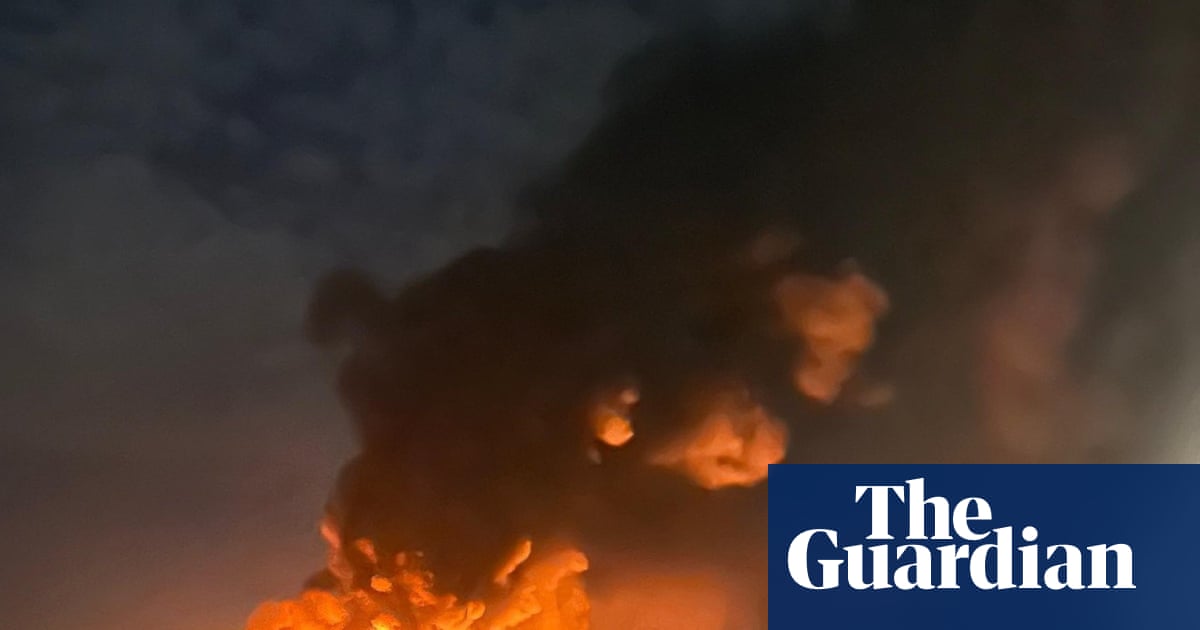
According to a Ukrainian security service official, the Kairos and Virat, both empty at the time of the attacks, sustained “critical damage” and have been effectively taken out of service. Video footage, while independently unverified by Reuters, appears to show significant fires erupting on the vessels following the drone strikes.
The 274-metre-long Kairos, en route from Egypt, experienced an explosion and fire on Friday, prompting the evacuation of its crew by Turkish rescue boats. The Virat was reportedly struck further east, approximately 35 nautical miles offshore, and sustained minor damage to its starboard side.Both vessels are currently listed as subject to sanctions imposed after the 2022 invasion.
adding to the disruption, the Caspian Pipeline Consortium (CPC), which handles over 1% of global oil supply, announced a halt to operations after a mooring at the Novorossiysk terminal was significantly damaged in a separate drone attack. Kazakhstan, a major exporter through the CPC, has condemned the attack as ”unacceptable.”
The Rise of Naval Drones & Black Sea Dynamics
The success of these attacks highlights the growing effectiveness of Ukraine’s naval drone program. These uncrewed, explosive-laden speedboats have proven instrumental in reshaping the dynamics of the Black Sea, contributing to the pushback against Russia’s larger naval fleet. They offer a cost-effective and increasingly sophisticated means of projecting power and disrupting enemy operations.
Turkey’s Concerns & Regional Implications
The attacks have raised concerns in Turkey, which views the Black Sea as its exclusive economic zone. The Turkish Transport Ministry confirmed the incidents and emphasized the serious safety risks they pose. Ankara has stated it is in contact with relevant parties to prevent escalation and protect its economic interests in the region.This underscores the potential for the conflict to spill over and destabilize the wider black Sea area.
What’s next?
The lack of public comment from Russia is notable.Though, it’s highly likely Moscow will respond, possibly escalating its own military activities in the Black Sea. Ukraine’s actions demonstrate a willingness to take significant risks to disrupt Russia’s war machine.
looking ahead, several key questions remain:
* Will Western nations respond to Ukraine’s calls for increased pressure on the ”shadow fleet”? More robust enforcement of sanctions and targeted action against the vessels involved could significantly impact russia’s oil revenues.
* How will Russia adapt its oil transportation strategies? Expect increased security measures around key terminals and a potential shift towards option routes.
* Will this escalation lead to a wider conflict in the Black Sea? The involvement of Turkey and the potential for miscalculation raise the risk of further escalation.
This situation is fluid and demands close monitoring.Ukraine’s innovative use of naval drones and its willingness to target Russia’s energy infrastructure represent a significant development in the ongoing conflict. The coming weeks
Keep reading
- Canada’s Brain Drain: How Alberta Gained $100 Billion from Interprovincial Migration
- The Forgotten Massacre of May 1967 in Guadeloupe
- Russian Attack Targets Lukoil’s Offshore Oil Platform Filanovsky (world-today-news.com)
- US-Russian Space Crew Lands Safely in Kazakhstan After 241-Day ISS Mission (time.news)