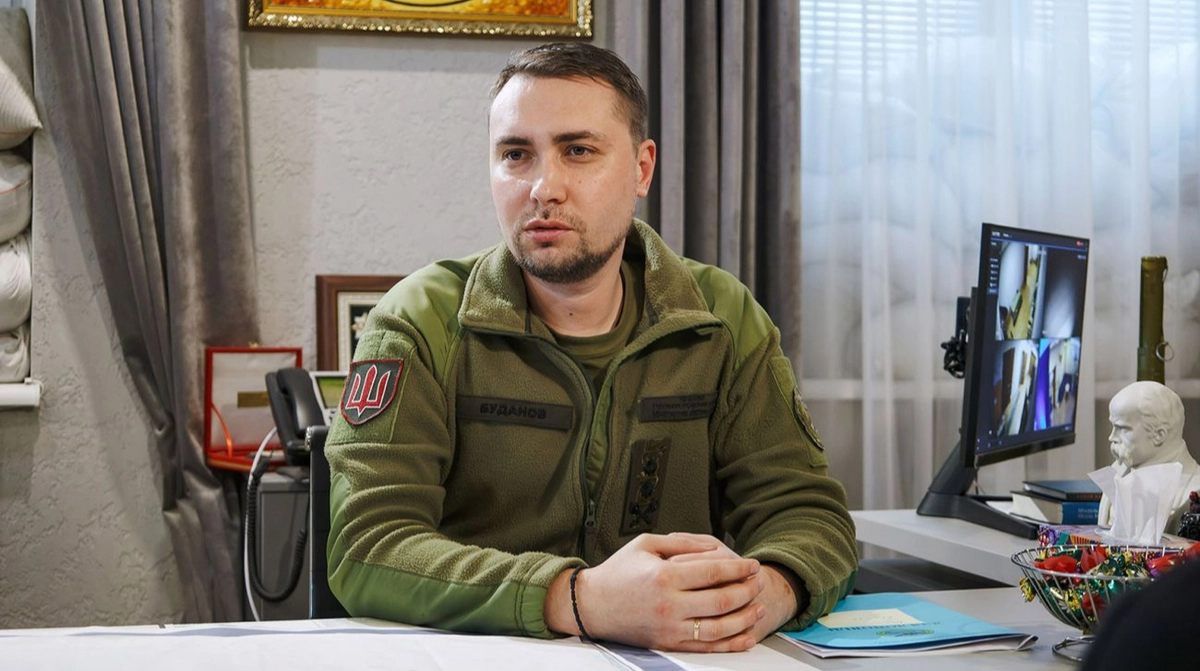
London, June 1, 2026 — Ukrainian President Volodymyr Zelenskyy’s administration has intensified diplomatic efforts to end the war with Russia before winter, with officials describing the current moment as a “realistic” opportunity for peace talks. Kyrylo Budanov, Zelenskyy’s chief of staff, told reporters this week that the Ukrainian leadership is prioritizing negotiations to secure a ceasefire, capitalizing on what they describe as an improved strategic position on the battlefield.
The push for winter peace talks comes as both sides face shifting dynamics. Ukraine has intensified its campaign of long-range strikes against Russian military and energy infrastructure, while Russian advances on the ground have slowed significantly in recent months. Ukrainian officials have framed the timing as critical, arguing that a pre-winter settlement could stabilize the front lines before harsh weather conditions exacerbate military operations.
While direct negotiations between Kyiv and Moscow remain stalled, Ukrainian officials have indicated openness to mediation from both the United States and European allies. The prospect of a peace deal—though still uncertain—has sparked cautious optimism among some Ukrainian citizens, even as Russian military activity continues to target critical infrastructure across the country.
Why Winter? The Strategic Calculus Behind Ukraine’s Timeline
Ukraine’s urgency to conclude peace talks before winter reflects a blend of military, political, and humanitarian considerations. According to Budanov, the current strategic window is “timely and realistic,” a sentiment echoed by Zelenskyy himself in recent public remarks. The rationale centers on three key factors:
- Military momentum: Ukrainian forces have reported slowing Russian advances, while their own long-range strikes—particularly against Russia’s oil industry—have disrupted Moscow’s war economy. This shift has emboldened Kyiv’s negotiating position.
- Seasonal constraints: Winter in Eastern Europe brings logistical challenges for both armies, including reduced mobility, supply difficulties, and increased vulnerability to frostbite and equipment failure. A pre-winter settlement could freeze the conflict before these conditions worsen.
- Domestic and international pressure: With Western military aid packages under review and internal debates about sustainability, Ukraine’s leadership may see diplomatic momentum as a way to secure long-term security guarantees without further protracted conflict.
“This is the president’s instruction: to try to end this war as soon as possible… Preferably before winter.” — Kyrylo Budanov, Ukrainian President Volodymyr Zelenskyy’s chief of staff
Mediation Efforts: The Role of the U.S. And Europe
While Ukraine has historically resisted direct negotiations with Russia without third-party guarantees, recent statements suggest a willingness to engage with mediators. Budanov confirmed expectations that a U.S. Delegation could visit both Moscow and Kyiv in the near future, though he declined to provide specifics. The U.S. Has been a key arms supplier to Ukraine but has also been embroiled in its own regional conflicts, including tensions with Iran, which have temporarily sidelined broader diplomatic initiatives.
European leaders, meanwhile, have signaled support for a negotiated settlement, though divisions persist over the terms of any potential deal. Some Ukrainian officials have suggested that simultaneous mediation from both the U.S. And Europe could increase pressure on Russia to engage seriously. However, Russia’s willingness to participate in such talks remains uncertain, with Moscow insisting on territorial concessions as a precondition for discussions.

Key Stakeholders in Peace Talks
- Ukraine: Led by President Zelenskyy, with Chief of Staff Budanov coordinating diplomatic efforts. Ukraine seeks security guarantees, territorial integrity, and reparations for war damages.
- Russia: President Vladimir Putin’s government has framed negotiations as conditional on Ukraine’s surrender of sovereignty over certain regions. Russia’s military strategy appears focused on attrition rather than rapid territorial gains.
- United States: Primary arms supplier and diplomatic backer of Ukraine, though recent internal debates have questioned the sustainability of aid packages.
- European Union: Unified in supporting Ukraine’s sovereignty but divided on economic and military aid commitments.
- International Community: Organizations like the UN and OSCE could play a role in verifying any ceasefire agreements.
What Would a Winter Peace Deal Look Like?
Speculation about the contours of a potential peace deal varies widely, but analysts highlight several potential components that could emerge in negotiations:
- Ceasefire lines: A demilitarized zone or buffer region along the current front lines, with verified withdrawal of heavy weapons.
- Prisoner exchanges: Large-scale repatriation of captured soldiers and civilians, a humanitarian priority for both sides.
- Security guarantees: NATO or UN-backed assurances against future Russian aggression, potentially including troop deployments or economic sanctions.
- Economic reconstruction: International aid packages to rebuild war-torn regions, with oversight to prevent corruption.
- Political compromises: Potential autonomy for disputed regions like Donetsk and Luhansk, though this remains a contentious issue for Ukraine.
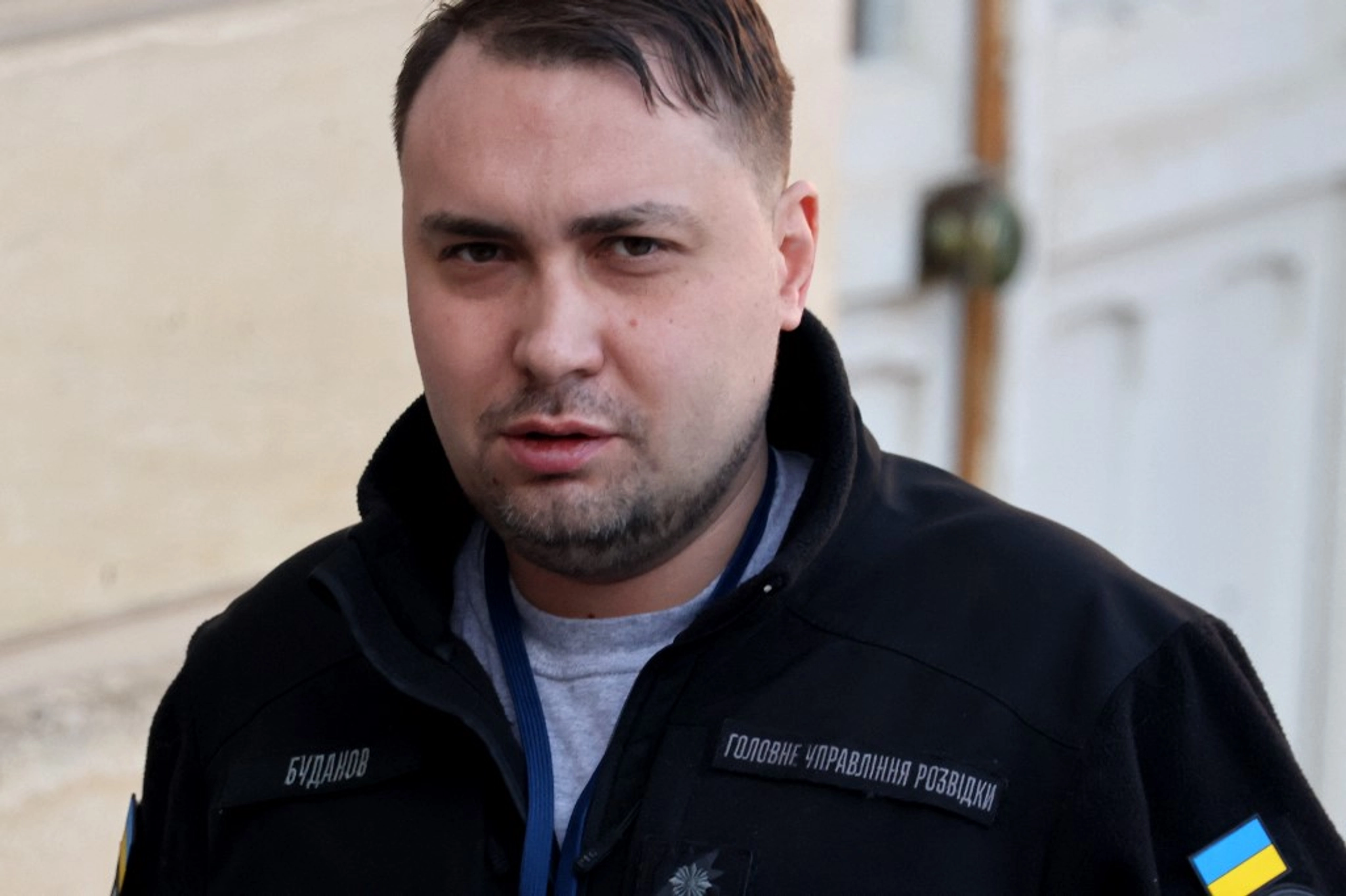
Budanov suggested that “the foundation for ending the war already exists,” pointing to recent diplomatic signals from Russia. However, he cautioned that “realism” must guide expectations, as past attempts at negotiations have collapsed over irreconcilable differences. The mention of a U.S. Delegation visiting Moscow and Kyiv in the coming weeks—if confirmed—could mark a critical step toward breaking the current deadlock.
Public Sentiment: Hope Amid Caution
While Ukrainian officials emphasize the strategic opportunity presented by the winter timeline, public sentiment remains mixed. Surveys conducted in recent months indicate that a majority of Ukrainians support peace negotiations, but skepticism persists about Russia’s intentions. Many fear that any deal could force territorial concessions or leave Ukraine vulnerable to future aggression.
In Kyiv, residents have grown weary of the war’s toll, with frequent power outages and air raid alerts becoming a grim reality. Yet, there is also a palpable sense of resilience. “We’ve held out this long,” said one Kyiv resident in a recent interview with BBC. “If there’s a chance for peace before winter, we’ll take it—but we won’t give up our land.”
What Happens Next? The Path Forward
The coming weeks will be critical in determining whether Ukraine’s diplomatic push gains traction. Key developments to watch include:
- U.S. Delegation visits: If confirmed, the timing and composition of any U.S. Mediation team could signal seriousness on both sides.
- Russian response: Moscow’s willingness to engage with third-party mediators will be a key indicator of its commitment to negotiations.
- Western aid packages: Decisions by the U.S. And EU on military and economic support could influence Ukraine’s bargaining position.
- Humanitarian corridors: Any agreement on prisoner exchanges or civilian evacuations would be a positive sign of progress.
- Winter preparations: Both sides are likely fortifying positions in anticipation of colder weather, which could complicate or accelerate talks.
Key Takeaways
- Ukraine’s leadership is prioritizing peace talks before winter, citing improved strategic conditions and seasonal constraints.
- Chief of Staff Budanov expects U.S. Mediation efforts to resume soon, though details remain unclear.
- Public opinion in Ukraine is cautiously optimistic but remains wary of Russian intentions.
- A potential deal could include ceasefire lines, prisoner exchanges, security guarantees, and economic reconstruction aid.
- The next critical phase will depend on Russia’s willingness to engage with third-party mediators.
How to Stay Informed
For real-time updates on diplomatic developments and military situation, follow these authoritative sources:
- Reuters – Comprehensive coverage of global diplomacy and conflict zones.
- BBC World News – In-depth analysis and verified reporting on Ukraine.
- United Nations – Official statements and peacekeeping updates.
- OSCE – Monitoring and verification of ceasefire agreements.
- U.S. Department of State – Official U.S. Positions on mediation efforts.
Readers with insights or firsthand accounts of the situation in Ukraine are encouraged to share their experiences in the comments below. For direct updates from Ukrainian officials, follow the Ukrainian Presidential Office and Cabinet of Ministers of Ukraine official channels.
Next Checkpoint: The anticipated visit of a U.S. Delegation to Moscow and Kyiv in the coming weeks will be the next major test of diplomatic momentum. Official statements from both Ukrainian and Russian governments on this front are expected by mid-June.
Share this article to keep the global community informed about Ukraine’s peace efforts. Your engagement helps ensure transparency and accountability in these critical negotiations.
Worth a look