The specter of Russian aggression continues to loom large over Eastern Europe, extending beyond the ongoing conflict in Ukraine. Recent reports and intelligence assessments suggest that Moldova, already grappling with the fallout from the war, is facing an increasingly sophisticated campaign of destabilization orchestrated by Moscow. Whereas Ukraine remains the primary focus of Russia’s military efforts, concerns are mounting that Moldova could be the Kremlin’s next target, not through direct military invasion, but through a concerted effort to undermine its sovereignty and steer it away from its pro-Western trajectory.
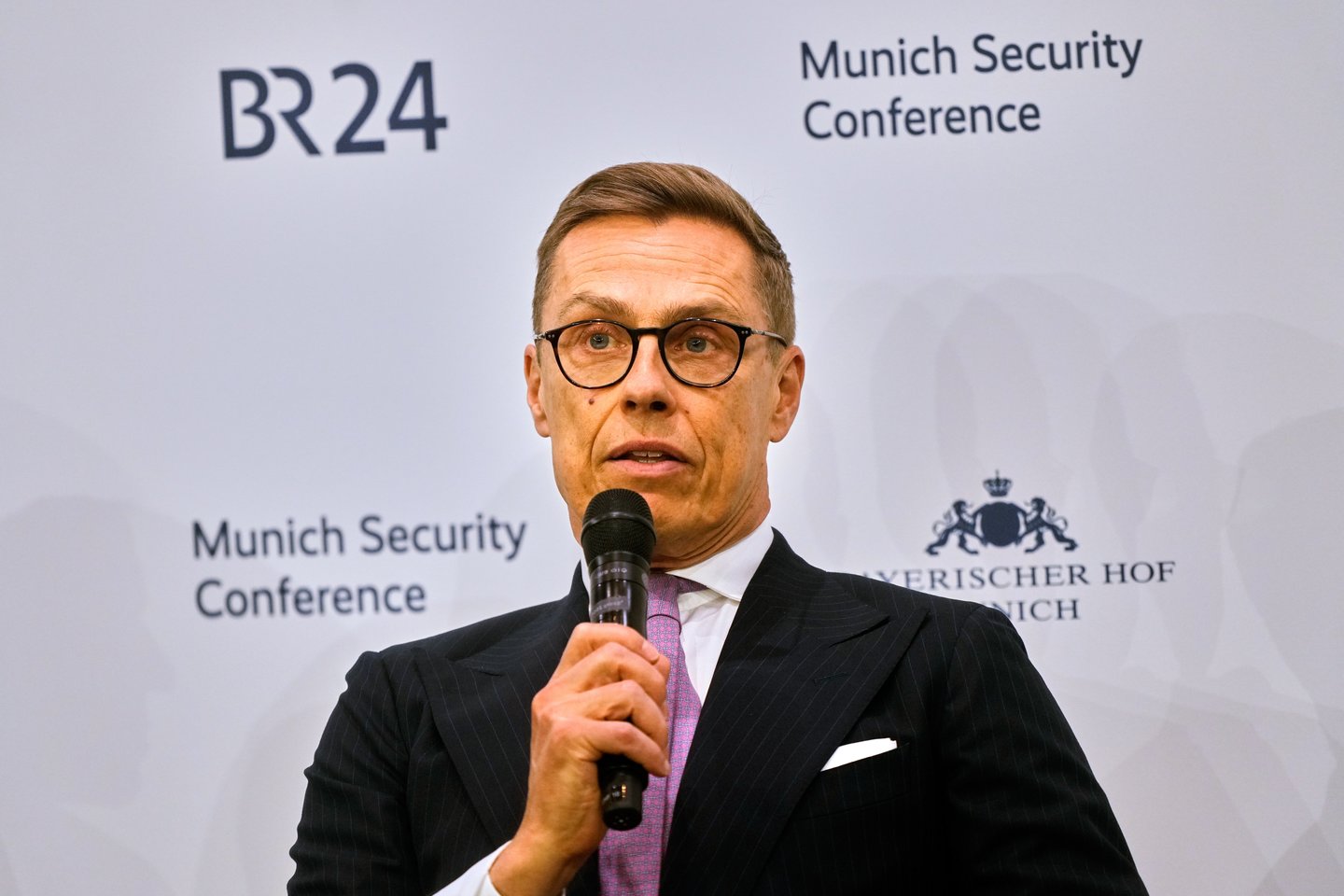
These concerns are not merely speculative. Finnish President Alexander Stubb recently warned that Moldova is facing a “very difficult situation,” and that Russia’s next move may be directed towards the small nation bordering Ukraine and Romania. This assessment comes amid a flurry of reports detailing a Russian-backed plot to destabilize Moldova, including alleged plans for the assassination of prominent Ukrainian figures and a broader campaign to influence the upcoming parliamentary elections. The situation is further complicated by Moldova’s internal vulnerabilities, including economic challenges, political divisions, and the unresolved status of the breakaway region of Transnistria, which hosts a Russian military presence.
Moldova’s Precarious Position: A Buffer State in the Crosshairs
Moldova’s geographic location makes it strategically important to both Russia and the West. Situated between Ukraine and NATO member Romania, the country serves as a crucial buffer zone. According to the Institute for the Study of War, the Kremlin views Moldova as disproportionately important given its small size, continuing to pursue its long-held strategic objective of reestablishing influence over Chisinau. This objective is rooted in Moldova’s historical ties to Russia and its significant Russian-speaking population, particularly in Transnistria. The Kremlin aims to prevent Moldova from further integrating with Western institutions, particularly the European Union, and to maintain a sphere of influence in the region.
Since the full-scale invasion of Ukraine in February 2022, Moldova has demonstrated strong solidarity with Kyiv, accepting Ukrainian refugees, opening a bank account for donations, and unofficially imposing sanctions on Russia. Moldova also declared a 60-day state of emergency and temporarily closed its airspace. However, this support for Ukraine has arrive at a cost, making Moldova a target for Russian retaliation. The spillover effects of the war have included border incidents, cyberattacks, and a surge in disinformation campaigns aimed at sowing discord and undermining public trust in the Moldovan government.
Uncovering a Plot: Assassination Attempts and Russian Interference
Recent investigations by Moldovan and Ukrainian authorities have uncovered a sophisticated network of Russian agents allegedly tasked with carrying out a series of assassinations targeting prominent Ukrainian figures. Reports from Delfi and 15min.lt detail how these agents operated under the guise of couriers, meticulously planning attacks intended to destabilize Ukraine and potentially influence the outcome of the conflict. CNN reported that the network’s targets included Ukrainian President Volodymyr Zelenskyy. The alleged plot underscores the Kremlin’s willingness to employ extreme measures to achieve its objectives in the region.
Simultaneously, Moldova is bracing for parliamentary elections scheduled for September 28, 2025. The Kremlin is actively working to influence the outcome of these elections, seeking to deprive the pro-Western Party of Action and Solidarity (PAS), currently holding a majority in parliament, of its power. The Kremlin is supporting various electoral blocs in an attempt to install a more Kremlin-friendly government that would reverse Moldova’s progress towards Western integration. A shift in power could lead to the passage of legislation exploiting Moldova’s constitutional neutrality clause to hinder military cooperation with NATO or the implementation of a “foreign agents” law designed to derail the country’s EU accession process.
Transnistria: A Frozen Conflict and Russian Foothold
The unresolved status of Transnistria remains a significant source of instability in Moldova. The region, predominantly populated by Russian speakers, declared independence in the early 1990s following a brief armed conflict with Moldova. Even though not internationally recognized, Transnistria operates as a de facto independent state with strong ties to Russia. A Russian military presence, including the 14th Guards Army, is stationed in Transnistria, ostensibly to maintain peace and protect Russian citizens, but widely seen as a tool for exerting influence over Moldova.
The presence of Russian troops in Transnistria poses a direct threat to Moldova’s sovereignty and territorial integrity. The region could serve as a launching pad for further Russian aggression, or as a base for destabilizing operations aimed at undermining the Moldovan government. Moldova has repeatedly called for the withdrawal of Russian troops from Transnistria, but Russia has consistently refused, citing its commitment to protecting the region’s residents and maintaining regional stability. The situation in Transnistria remains a delicate balancing act, requiring careful diplomacy and a strong commitment from the international community to prevent further escalation.
International Response and the Path Forward
The international community has largely condemned Russia’s actions in Ukraine and its attempts to destabilize Moldova. The European Union has provided significant financial and political support to Moldova, helping the country to strengthen its institutions, diversify its economy, and pursue its European integration agenda. The United States has also pledged its support for Moldova’s sovereignty and territorial integrity, providing security assistance and working with its allies to counter Russian influence. However, more robust and coordinated action is needed to effectively address the growing threat posed by Russia.
As the Center for Strategic and International Studies (CSIS) argues, Moldova’s fate is inextricably linked to Ukraine’s ability to withstand Russian aggression. Ukraine’s success in defending its sovereignty will not only determine its own future but will also have a profound impact on the security and stability of the entire region, including Moldova. Strengthening Ukraine’s resilience and providing it with the necessary resources to defeat Russia is therefore crucial for safeguarding Moldova’s independence and preventing further Russian encroachment.
increased international pressure on Russia, including tougher sanctions and a stronger diplomatic response, is essential to deter further aggression and hold the Kremlin accountable for its actions. Supporting Moldova’s efforts to strengthen its democratic institutions, combat corruption, and diversify its economy will also be critical for building its resilience and reducing its vulnerability to Russian influence. The West must “go big” on Moldova, as CSIS suggests, recognizing that the country’s security and prosperity are vital for the stability of Eastern Europe.
The situation in Moldova is a stark reminder that the war in Ukraine is not an isolated conflict but part of a broader struggle for the future of Europe. Russia’s attempts to destabilize Moldova are a clear indication of its willingness to use all available means to undermine the international order and reassert its dominance in the region. The international community must stand united in its support for Moldova’s sovereignty and territorial integrity, and work together to prevent the country from becoming the Kremlin’s next victim.
The coming months will be critical for Moldova. The parliamentary elections in September 2025 will be a key test of the country’s resilience and its commitment to its pro-Western course. The international community must remain vigilant and provide unwavering support to Moldova as it navigates this challenging period. The future of Moldova, and indeed the stability of Eastern Europe, hangs in the balance.
What happens next will depend heavily on the evolving situation in Ukraine and the Kremlin’s calculations. Continued monitoring of Russian activities in Moldova and the region, coupled with proactive diplomatic and economic engagement, will be essential. Readers are encouraged to share their thoughts and perspectives on this critical issue in the comments section below.
Keep reading
- Manhunt in Germany after deadly car ramming near Berlin Pride
- Attentato a Berlino durante il Pride, muore una donna. Almeno 16 feriti, è caccia all’attentatore: Abdul B., 21 anni, appartenente ad ambienti islamisti – Corriere della Sera
- Russia Preparing to Receive 30,000 North Korean Troops, Says Zelenskyy (archyworldys.com)