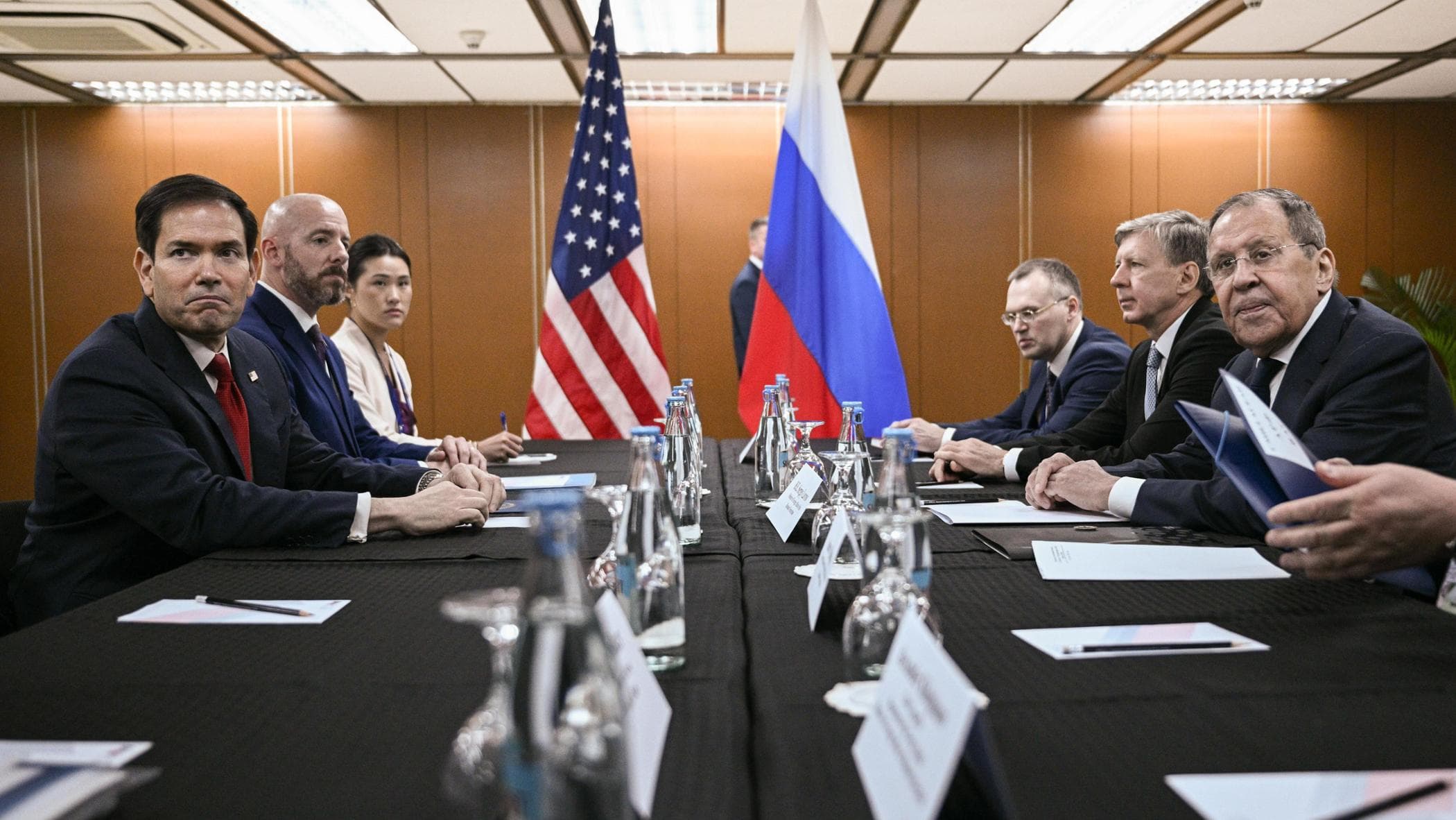
The diplomatic friction between Moscow and Washington intensified following high-level exchanges regarding the ongoing conflict in Ukraine, alongside sweeping new economic restrictions imposed by European authorities targeting Russian energy supply chains. Russian Foreign Minister Sergey Lavrov addressed international military assistance to Kyiv during recent diplomatic communications, characterizing the transfer of foreign weaponry as an unacceptable escalation that undermines prospects for a negotiated settlement.
Simultaneously, the Council of the European Union enacted a comprehensive package of restrictive measures aimed at curbing Moscow’s revenues from liquefied natural gas. According to official regulatory announcements published by the European Union, the new sanctions prohibit transshipment services of Russian LNG within EU territory for the purpose of re-exporting to third countries, tightening financial pressure on key energy infrastructure and maritime logistics networks supporting the Russian economy.
The convergence of strict diplomatic warnings from senior Russian leadership and aggressive economic enforcement by Western institutions highlights the deepening divide over military aid and energy security. As international monitors track the implementation of the fresh trade bans and the diplomatic fallout from bilateral talks, policymakers across Europe and North America continue to evaluate further measures to restrict financial flows connected to the campaign in Eastern Europe.
Diplomatic Escalation Over Military Supplies to Kyiv
Foreign Minister Sergey Lavrov articulated Moscow’s firm stance during recent diplomatic contacts involving international counterparts, including discussions touching upon policy positions communicated regarding U.S. and allied officials such as Marco Rubio. According to official diplomatic readouts and state media reports covering the exchanges, Moscow asserted that the continuous provision of advanced armaments and tactical support to Ukrainian forces creates insurmountable barriers to peace and prolongs hostilities.
Western capitals have consistently rejected such characterizations, maintaining that sovereign states possess the inherent right under international law to provide defensive military assistance to nations facing armed aggression. NATO member states argue that supplying interceptor systems, artillery, and armored vehicles is necessary to protect civilian populations and critical infrastructure from ongoing aerial bombardments.
The diplomatic standoff underscores the fundamental disagreement over the end state of the conflict. While Western officials insist that negotiations must be preceded by a cessation of hostilities and a withdrawal of invading forces, Moscow maintains that foreign military supplies must cease entirely before any meaningful diplomatic framework can be established.
European Union Targets Russian Liquefied Natural Gas
In a coordinated effort to diminish Russia’s fossil fuel export capacities, the European Union finalized and implemented robust trade restrictions focusing specifically on the maritime transport and transshipment of liquefied natural gas. According to regulatory texts released by the European Council, the latest sanctions prohibit EU-based operators from providing reloading services, ship-to-ship transfers, and associated port facilities for Russian LNG destined for non-EU destinations.
This measure is designed to close loopholes that previously allowed Russian gas carriers to utilize European ports for transferring cargo to ice-class vessels or conventional tankers bound for Asian markets. Energy market analysts note that while the ban impacts European logistics providers, its primary objective is to restrict global shipping flexibility for Russian energy producers and reduce foreign currency earnings available to fund military operations.
Member states are tasked with enforcing the regulations across major European maritime hubs, with national authorities establishing monitoring mechanisms to ensure compliance among terminal operators, shipping agents, and financial institutions involved in energy logistics. Industry groups have warned that compliance adjustments may require short-term logistical reconfigurations for international energy traders navigating the updated trade restrictions.
Economic Impact and International Market Adjustments
The dual pressures of diplomatic deadlock and tightening energy sanctions have prompted widespread reassessments across global commodity markets and diplomatic channels. Financial institutions tracking the implementation of EU restrictions report that energy firms are actively rerouting supply chains to comply with the prohibition on European transshipment hubs, leading to increased transport costs and altered shipping routes for international LNG shipments.
At the same time, international organizations and allied governments are monitoring adherence to the sanctions framework to prevent circumvention through third-party jurisdictions. Enforcement agencies in multiple jurisdictions have stepped up scrutiny on maritime registries, vessel ownership structures, and trade financing arrangements linked to Russian energy exports.
As diplomatic channels remain strained and economic measures take full effect, international observers await the next scheduled meetings of European foreign ministers and allied security forums to determine what further steps may be introduced to address the prolonged crisis in Eastern Europe.