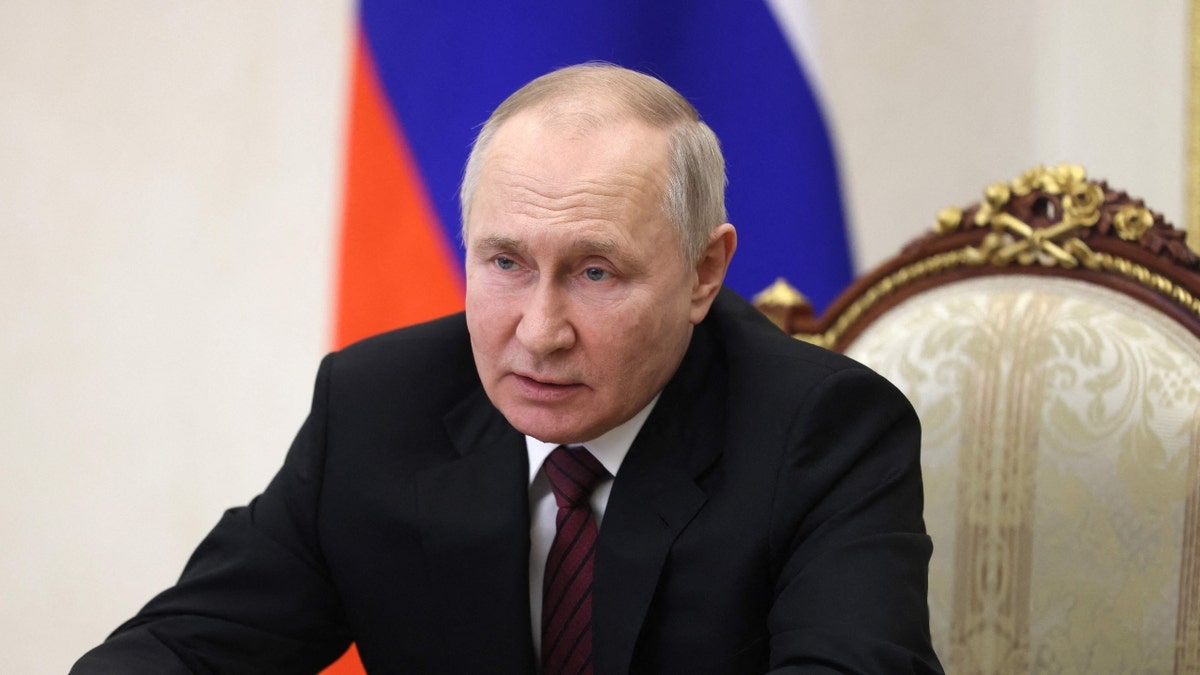
In a significant development in the ongoing conflict, Russian President Vladimir Putin has announced a ceasefire for Orthodox Easter, offering a brief window of respite in the war in Ukraine. The announcement, made by the Kremlin on Thursday evening, April 9, 2026, comes after Ukrainian President Volodymyr Zelensky had previously indicated that Kyiv remained open to the possibility of an Easter truce .
The proposed pause in hostilities is narrowly defined, targeting the most sacred days of the Orthodox calendar. This move follows a pattern of intermittent, short-term truces attempted in previous years, though the success of such gestures has historically been limited by mutual accusations of violations. As the international community watches, the focus now shifts to whether both militaries will adhere to the timeline established by the Russian leadership .
For the millions of civilians caught in the crossfire, any cessation of violence—however brief—provides a critical opportunity for safety and religious observance. However, the strategic nature of the announcement suggests a fragile arrangement, as the Kremlin has already embedded caveats regarding the conduct of the Ukrainian forces during this period .
Timeline and Scope of the Easter Truce
The specific parameters of the ceasefire were detailed in a communiqué from the Kremlin. According to the official statement, the ceasefire is scheduled to begin at 16:00 (13:00 GMT) on April 11, 2026, and will remain in effect until the conclude of the day on April 12, 2026 .

This timeframe is designed to encompass the primary celebrations of the resurrection of Christ. The timing is specifically tied to the Julian calendar, which is followed by the Orthodox churches in both Russia and Ukraine, placing Orthodox Easter on April 12 in 2026 .
Key Ceasefire Details
| Event | Start Date/Time | End Date/Time |
|---|---|---|
| Orthodox Easter Truce | April 11, 2026, 16:00 (13:00 GMT) | April 12, 2026, End of Day |
Precedent and the Challenge of Compliance
While the announcement of a truce may seem like a diplomatic opening, historical precedent suggests a high likelihood of friction. Last year, Vladimir Putin declared a unilateral ceasefire lasting 30 hours for the same holiday, but the effort collapsed as both Russia and Ukraine accused the other side of breaking the agreement .
The recurring nature of these brief, holiday-based pauses highlights the difficulty of establishing a sustainable peace. Despite the openness expressed by President Volodymyr Zelensky regarding a possible truce, the deep-seated mistrust between the two administrations often leads to the immediate resumption of hostilities upon the first reported violation.
The ‘Provocation’ Clause and Military Readiness
A critical detail in the Kremlin’s announcement is the instruction given to Russian military forces. The communiqué specifies that while the ceasefire is in effect, troops “must be ready to repress any possible provocations from the enemy, as well as any aggressive action on its part” .
This directive effectively means that the ceasefire is conditional. By authorizing troops to respond to perceived “provocations,” the Russian leadership has left the door open for the resumption of combat operations if their forces believe the truce is being exploited or violated by Kyiv. This ambiguity often complicates the implementation of such agreements, as a single skirmish can be interpreted as a “provocation,” triggering a wider return to active warfare.
As Vladimir Putin announces a ceasefire for Orthodox Easter, the global community remains cautious. The coming days will determine if this gesture leads to a genuine, if temporary, silence of the guns, or if it will follow the pattern of previous failed attempts at holiday truces.
The next critical checkpoint will be the official commencement of the ceasefire at 16:00 (13:00 GMT) on April 11, 2026. We will continue to monitor reports from the front lines to verify compliance.
Do you believe short-term holiday truces provide meaningful relief to civilians, or are they primarily symbolic gestures? Share your thoughts in the comments below.
Related reading