As the conflict in Ukraine continues to dominate the international agenda, diplomatic tensions have reached a new flashpoint following recent calls from Moscow for foreign officials to vacate the Ukrainian capital. The security environment in Kyiv remains a focal point for global observers, with recent communications between Russian leadership and United States representatives highlighting the heightened risks currently facing diplomatic missions in the region.
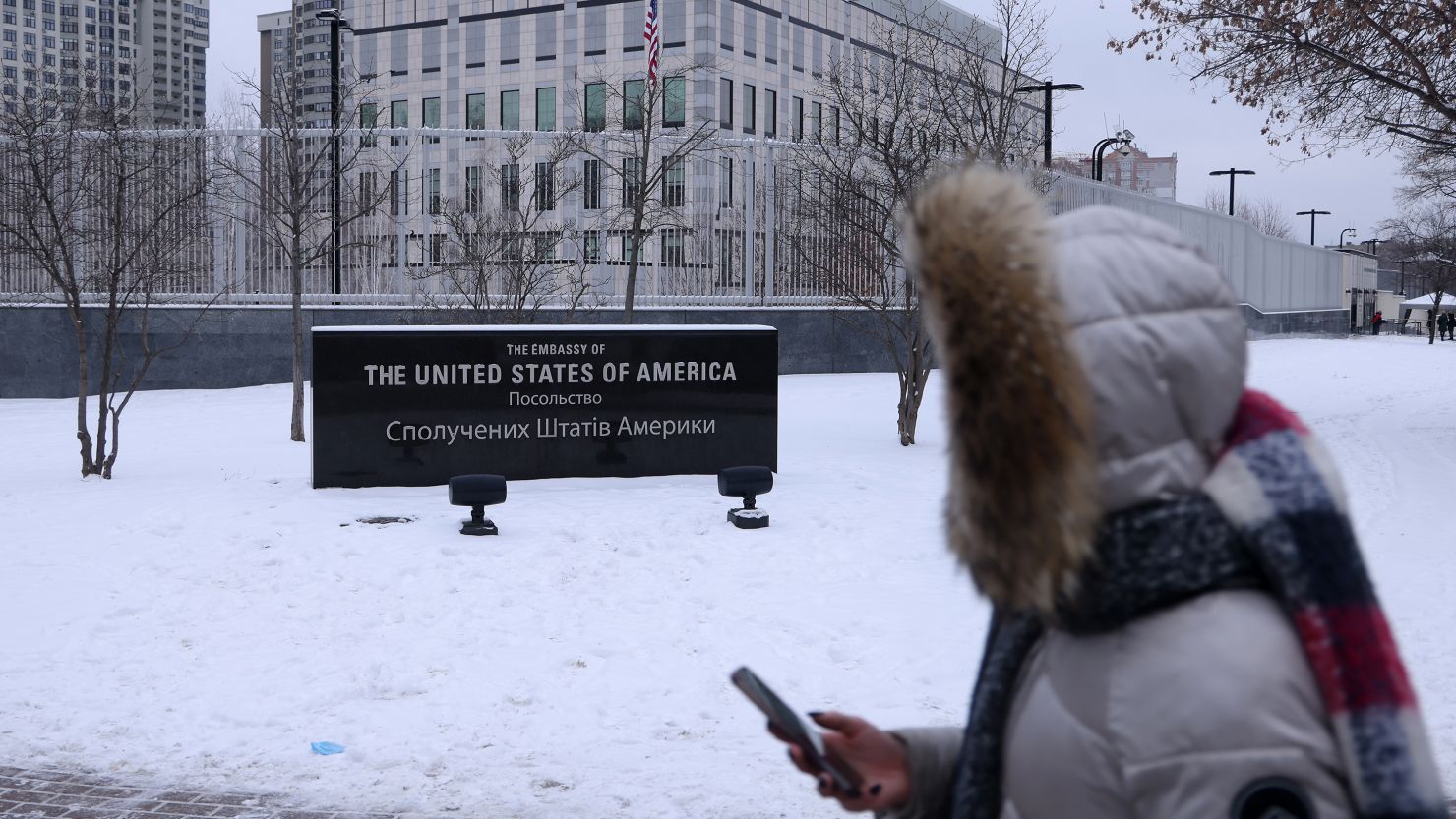
The situation involving the potential evacuation of the U.S. Embassy in Kyiv has drawn significant attention from geopolitical analysts and world leaders alike. These developments occur against a backdrop of ongoing military operations and a persistent state of high alert across the country. For the international community, the primary concern remains the safety of diplomatic personnel and the maintenance of established channels of communication despite the deteriorating security conditions on the ground.
As of May 25, 2026, the diplomatic community is closely monitoring these exchanges, which reflect the broader, volatile nature of the ongoing conflict. The call for an evacuation, while framed by Moscow as a security measure, is viewed by many international observers as a significant escalation in the war of words accompanying the physical hostilities in Ukraine.
Diplomatic Standoff and Security Concerns in Kyiv
The recent call for the United States to reduce its diplomatic footprint in Kyiv has been met with scrutiny from international security experts. Such requests, often communicated through high-level diplomatic channels, are analyzed not only for their immediate tactical implications but also for what they reveal about the strategic objectives of the parties involved. The U.S. Department of State provides ongoing security alerts and guidance for U.S. Citizens and personnel operating within Ukraine, emphasizing the necessity of maintaining robust safety protocols in a war zone.
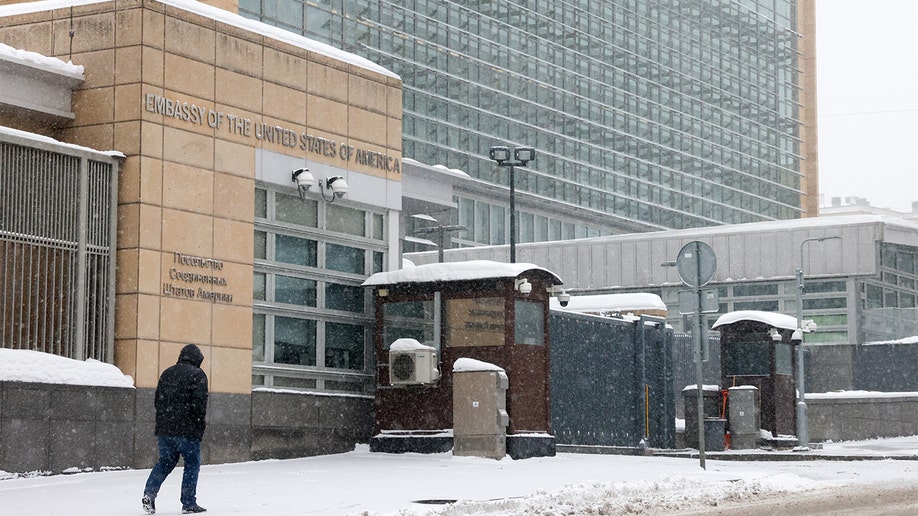
The debate surrounding these diplomatic requests often touches upon the concept of “signaling” in international relations. When a state publicly urges foreign powers to withdraw their diplomatic presence, it creates a narrative of instability that can impact both local morale and international policy decisions. Analysts often weigh these statements against the reality of the military situation, noting that the presence of foreign diplomats serves as a vital link between the host nation and the international community.
High-Level Visits Amid Heightened Risks
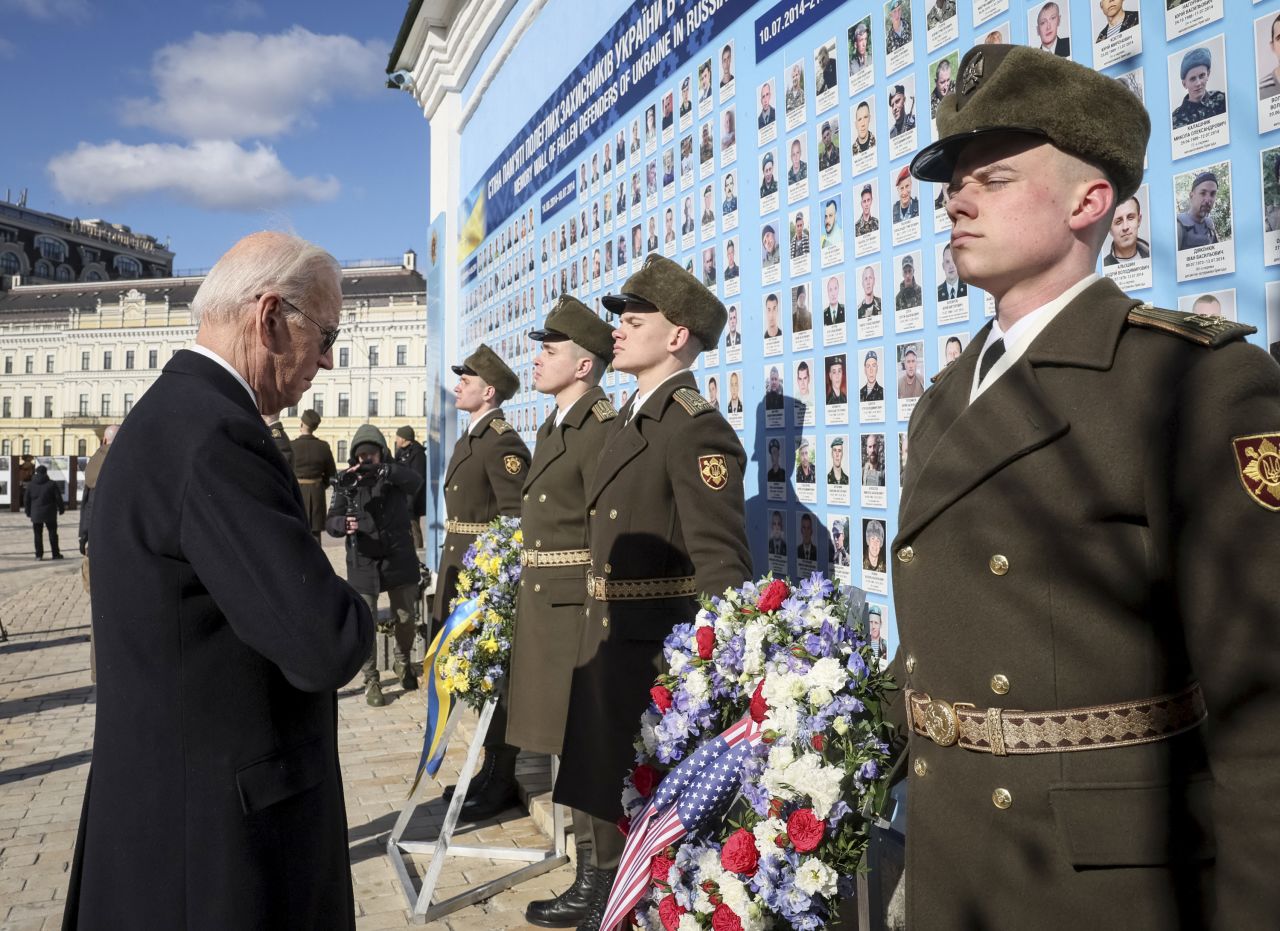
Despite the warnings issued by Moscow regarding the safety of foreign nationals in the capital, several international figures have signaled their intent to proceed with scheduled visits to Kyiv. The persistence of these diplomatic missions underscores the commitment of partner nations to demonstrate solidarity with Ukraine. These visits typically require intensive security coordination, often involving multiple national intelligence and protective services to ensure the safety of visiting dignitaries.

The decision to proceed with diplomatic travel during periods of heightened risk is a calculated one. It serves as a physical manifestation of political support, countering the narrative of isolation that some actors seek to promote. For the latest updates on international travel advisories and the security status of diplomatic missions, the U.S. Department of State’s official country information page for Ukraine remains the most authoritative source for verified data.
Understanding the Broader Geopolitical Context
The current situation in Ukraine is characterized by a complex interplay of military maneuvers and information warfare. For those following these events, it is essential to distinguish between official government statements and the broader landscape of public commentary. The role of diplomatic missions in such environments is multifaceted, encompassing everything from humanitarian coordination to the facilitation of high-level political dialogue.
As an editor with over 14 years of experience in international reporting, I have observed that the most effective way to navigate these narratives is to rely on primary documentation and verified reporting from established international organizations. The volatility of the current situation means that information can change rapidly, and the reliance on official updates from embassies and intergovernmental bodies like the United Nations or the European Union is critical for maintaining an accurate understanding of the conflict’s progression.
Key Considerations for Global Observers
- Verification: Always cross-reference breaking news regarding diplomatic status with official notices from the relevant embassy or foreign ministry.
- Security Guidance: International personnel and citizens in the region are encouraged to monitor OSCE and other international monitoring body reports for objective assessments of the security environment.
- Communication Channels: Maintaining access to reliable, verified information streams is essential during periods of diplomatic friction.
The international community remains focused on the next stages of the conflict, with attention shifting toward upcoming diplomatic summits and the potential for further mediation efforts. As the situation evolves, the primary objective of global actors continues to be the mitigation of humanitarian impact and the search for a sustainable resolution to the hostilities.
We will continue to provide updates as official statements are released and as the security situation in Kyiv develops. Readers are encouraged to share this article and follow our ongoing coverage for the latest verified developments in this critical geopolitical situation. Your insights and questions are welcome in the comments section below as we continue to analyze the factors shaping our world today.
Related reading