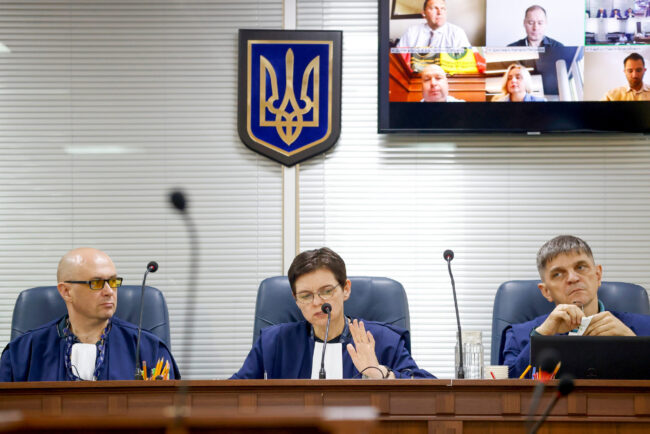
Ukraine‘s Anti-Corruption Efforts Face a critical Test
Ukraine’s fight against corruption is reaching a pivotal moment, especially as the nation navigates the complexities of wartime spending adn procurement. While anti-corruption bodies have been granted expanded powers, concerns are mounting that thes tools are increasingly being used to stifle dissent and silence those who expose wrongdoing. This situation poses a significant threat to openness and accountability, perhaps undermining the very foundations of Ukraine’s reform efforts.
The Case of Pavlo Barbul: A Warning Sign
The case of Pavlo Barbul, a former detective with Ukraine’s National Anti-Corruption Bureau (NABU), serves as a stark example of these troubling trends.Barbul investigated allegations of corruption involving a high-ranking defense official, oleksandr Portnov, a former deputy head of the Presidential Governance.
Following his investigation, Barbul faced a series of legal challenges, including accusations of obstructing justice. He was subsequently barred from leaving Ukraine, and an Interpol notice was issued, effectively restricting his movement. Currently, Barbul remains abroad, contesting the Interpol notice and preparing an appeal to the European Court of Human Rights.
His legal team argues that Ukraine has violated his right to a fair trial and freedom of movement. This case has sent ripples through the anti-corruption community,raising fears that investigators are being targeted for pursuing sensitive cases.
A Chilling Effect on Whistleblowers
If whistleblowers witness the repercussions faced by Pavlo Barbul, they will understandably hesitate before coming forward with information. A Kyiv-based legal analyst, speaking on condition of anonymity, emphasized this point, stating the line between legitimate accountability and politically motivated retribution is becoming increasingly blurred.
This chilling effect is already demonstrably impacting the willingness of insiders to report corruption.A recent report by the Southeast Europe Coalition on Whistleblower Protection highlights that fear of retaliation - encompassing harassment, job loss, and reputational damage – continues to deter individuals from speaking out, especially in matters related to national security and military contracts.
You need to understand that a robust system of whistleblower protection is crucial for uncovering corruption and ensuring responsible governance. Without it, transparency suffers, and accountability becomes elusive.
The Shadow of Oleksandr Portnov‘s Murder
Adding another layer of complexity to the situation is the unresolved murder of Oleksandr Portnov. Portnov, a controversial figure with deep ties to the defense industry, was found dead in 2023.
The outcome of this investigation will be a critical test of Ukraine’s commitment to holding powerful individuals accountable. Some observers speculate that resolving Portnov’s murder could derail ongoing cases linked to his influence. Others fear it may intensify efforts to prosecute his former targets, aiming to demonstrate that his legacy of pressure did not survive his death.
What Does the Future Hold?
Several key questions remain as Ukraine navigates this challenging landscape:
* Will Ukraine uphold its commitment to protecting whistleblowers? Strengthening legal protections and ensuring impartial investigations are essential.
* Will the investigation into Oleksandr Portnov’s murder be thorough and clear? The pursuit of justice in this case is vital for restoring public trust.
* Can Ukraine effectively balance accountability with the need for national security? Finding this balance is crucial for maintaining both integrity and effectiveness.
As of September, Barbul’s legal battle continues. His case,alongside the unresolved murder of Portnov,underscores the fragility of Ukraine’s anti-corruption efforts. The path forward will require unwavering commitment to transparency, accountability, and the protection of those who dare to speak truth to power.
Ultimately, the success of Ukraine’s reforms hinges on its ability to demonstrate that corruption will not be tolerated, irrespective of the position or influence of those involved.