
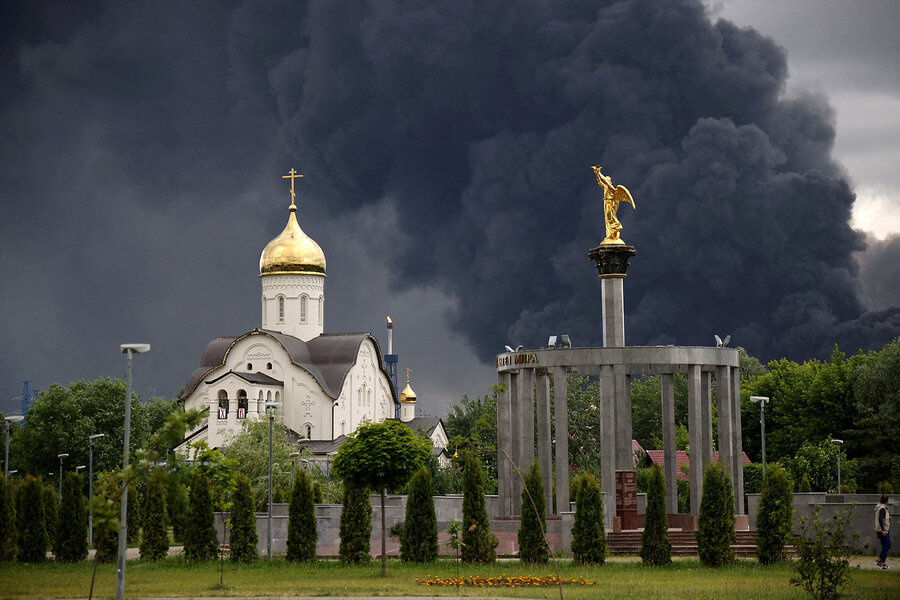
Ukraine has increasingly utilized long-range unmanned aerial vehicles to strike targets deep within Russian territory, marking a strategic shift in the ongoing conflict. While these operations aim to degrade Russian military logistics and infrastructure, analysts note that the campaign has not triggered the widespread domestic dissent in Russia that some in Kyiv may have anticipated. The conflict, now entering its third year, remains characterized by high-intensity frontline combat and an expanding aerial campaign that increasingly brings the war to Russian civilians.
The escalation of drone strikes follows a consistent pattern of Ukrainian operations targeting oil refineries, airfields, and industrial facilities within Russia’s borders. According to reports from the Reuters news agency, these strikes are intended to disrupt the Russian war economy and demonstrate that the security of Russian territory cannot be guaranteed while the invasion of Ukraine continues. However, the impact of these strikes on Russian public sentiment remains a subject of significant debate among international observers.
The Strategic Rationale Behind Cross-Border Strikes
Ukraine’s shift toward drone warfare is largely a response to its limited access to Western-supplied long-range missiles, which are often restricted by partner nations regarding their use on Russian soil. By developing and deploying its own fleet of indigenous long-range drones, Kyiv has circumvented these limitations. The Institute for the Study of War has documented how these strikes target oil infrastructure, which is vital for both domestic revenue and military fuel supplies. These operations serve a dual purpose: physically damaging Russian capabilities and forcing the Russian military to divert air defense assets away from the front lines to protect sensitive installations in the interior.

Despite the operational successes in hitting specific targets, the broader objective of influencing the Russian populace has proven elusive. Sociological data suggests a complex reality; rather than turning against their government, many segments of the Russian public have exhibited a “rally-round-the-flag” effect. State-controlled media channels frequently frame these attacks as evidence of unprovoked aggression, effectively using the strikes to bolster support for the Kremlin’s narrative. The Carnegie Endowment for International Peace notes that the tightening of state media control and the suppression of independent voices have limited the space for anti-war sentiment to manifest publicly, regardless of the intensity of the attacks.
Challenges to Escalation and Public Opinion
The persistence of drone attacks may also have the unintended consequence of prolonging the conflict. By bringing the war to the Russian interior, the Ukrainian strategy has provided the Kremlin with additional justifications for further mobilization and the expansion of the “special military operation” terminology. The BBC has reported that the Russian government uses images of damaged civilian infrastructure to argue that the nation is under direct threat, thereby justifying stricter internal security measures and the continued prioritization of military production over civilian needs.
Furthermore, the logistical and financial costs of maintaining this drone campaign are significant. While drone production is generally more cost-effective than conventional missile systems, the sustained manufacturing and deployment required for a campaign of this scale place a strain on Ukrainian resources. The effectiveness of these strikes is also mitigated by Russia’s extensive electronic warfare capabilities, which have successfully jammed or diverted a portion of the incoming drones. As both sides adapt to this new phase of the war, the focus has increasingly shifted toward which party can sustain the costs of this technological attrition for a longer period.
Future Outlook and Escalation Risks
Looking ahead, the trajectory of the conflict remains tied to the capacity of both nations to replenish their munitions and maintain public support. The next critical checkpoint involves the continued international support for Ukraine’s defense industry and the potential for new rounds of Russian military recruitment. Official updates regarding the status of the front lines and the frequency of aerial exchanges are regularly provided by the U.S. Department of Defense through the Ukraine Defense Contact Group meetings, which serve as a primary indicator of the level of international backing for Ukraine’s strategic objectives.

As the drone war continues to evolve, the distinction between military and civilian targets will likely remain a point of contention in international diplomatic forums. For now, the conflict shows few signs of de-escalation, and the use of drones as a primary tool for asymmetric warfare is expected to intensify throughout the remainder of the year. Readers are encouraged to monitor official government releases and reputable international reporting for further developments on these fronts. We invite you to share your perspective on these developments in the comments section below.