
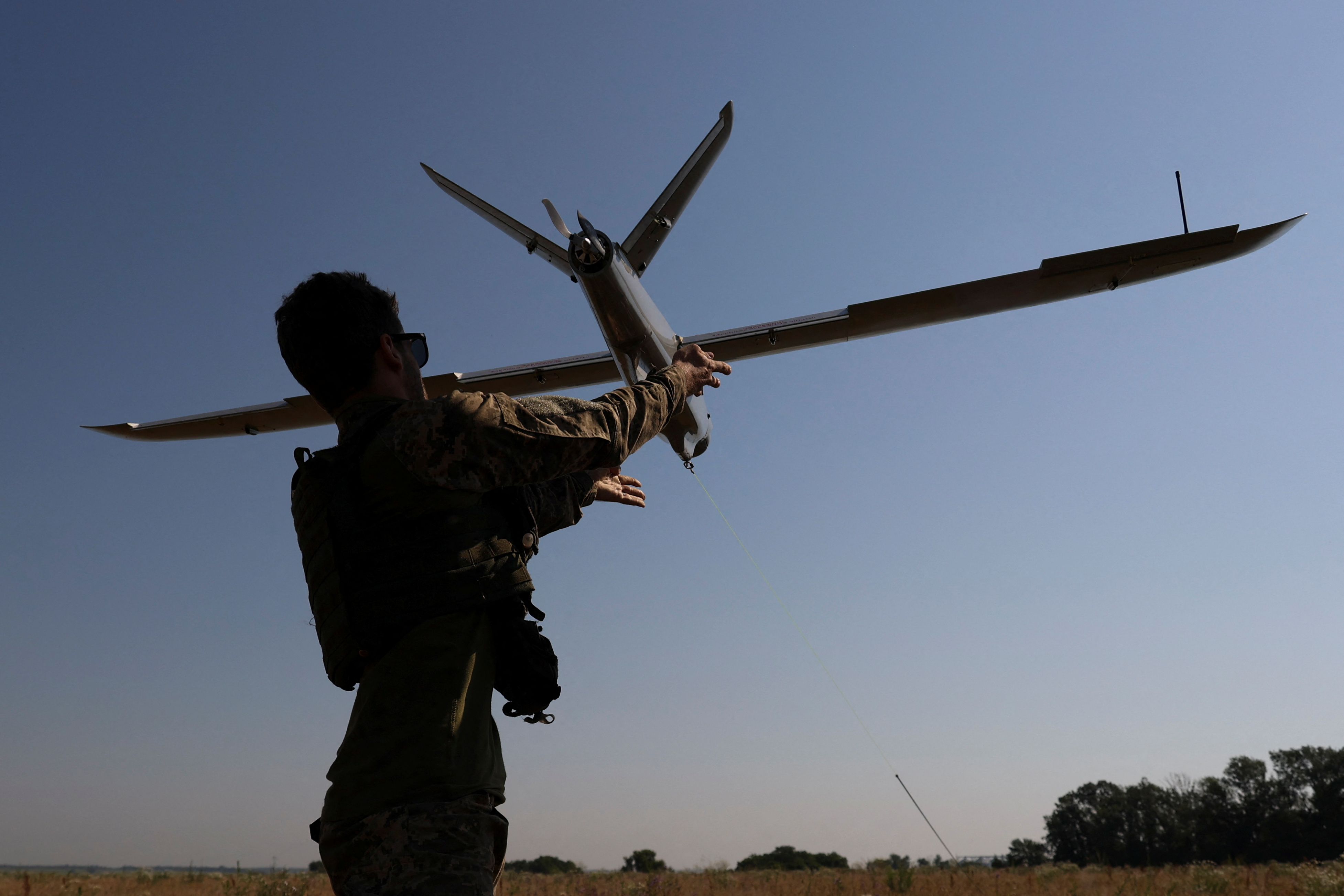
Ukrainian President Volodymyr Zelensky made his second visit to Saudi Arabia within a month on Friday, April 24, 2026, continuing efforts to position Ukraine’s defense industry as a key partner for Gulf states facing drone threats. The visit underscores Kyiv’s growing role in exporting combat-tested drone defense solutions, particularly against Iranian-designed Shahed drones, which have been used by Russia in Ukraine and by Iran-backed groups in regional attacks.
According to reports from Le Monde, Zelensky’s trip to Riyadh focused on promoting Ukraine’s affordable and effective counter-drone systems, which have been refined through over two years of defending against Russian Shahed strikes. Ukrainian officials say these systems offer Gulf nations a practical way to close gaps in their air defenses against low-flying, swarming attack drones.
The visit follows a pattern of deepening defense cooperation between Ukraine and Saudi Arabia. On March 27, 2026, during Zelensky’s earlier trip to Jeddah, the two countries signed a cooperation agreement allowing Ukraine to share its expertise in countering Iranian-made Shahed drones. A senior official familiar with the deal told BFMTV that the agreement aims to facilitate Saudi Arabia develop all necessary components of its air defense system to counter Shaheds and similar drones.
“We are ready to share our expertise and our system with Saudi Arabia,” Zelensky said on social media after signing the agreement. He added that Riyadh “has what interests Ukraine,” without elaborating further. The Ukrainian president has repeatedly emphasized that the threats facing his country — ballistic missiles and drone attacks — mirror those now affecting the Gulf region due to Iranian military exports.
Ukraine’s experience with Shahed drones began in earnest after Russia’s full-scale invasion in 2022, when Moscow began deploying Iranian-designed drones manufactured under license. Over time, Ukrainian forces developed low-cost interception methods, including electronic warfare, mobile fire units, and integrated sensor networks, which have drawn interest from nations facing similar threats.
Saudi Arabia has itself been a target of drone attacks. On March 13, 2026, the kingdom was struck by 50 drones in a few hours during a latest wave of attacks attributed to Iran-backed forces, according to MSN. The incident highlighted vulnerabilities in even advanced air defense systems when confronted with large-scale, low-cost drone swarms.
Ukraine’s pitch to Gulf states centers on affordability and battlefield validation. Unlike expensive missile-based interceptors, Ukrainian solutions often rely on radar-guided guns, jamming systems, and drone-killing drones — tools that can be deployed at scale without breaking defense budgets. Kyiv argues that its systems are not only proven in combat but are also easier to maintain and integrate with existing infrastructure.
The broader context involves a shifting defense landscape in the Middle East, where traditional air defenses designed for fighter jets and ballistic missiles are being tested by asymmetric drone tactics. Iran’s proliferation of Shahed drones to proxies in Yemen, Iraq, and Syria has increased pressure on Gulf states to adapt. Ukraine’s offer presents a timely alternative: combat-proven technology from a nation that has lived under constant drone threat.
Analysts note that Ukraine’s defense exports could also serve strategic interests beyond economics. By strengthening ties with Saudi Arabia and other Gulf nations, Kyiv seeks to broaden its international support base as the war with Russia continues. Defense cooperation may open doors to future collaboration on intelligence, training, or even joint production.
As of April 24, 2026, no official details have been released about the financial value or specific systems discussed during Zelensky’s latest visit. Neither the Ukrainian presidential office nor Saudi defense authorities have published a joint statement or fact sheet outlining agreements reached. Observers recommend monitoring official channels from Ukraine’s Ministry of Defense and Saudi Arabia’s General Authority for Military Industries for future announcements.
For readers seeking updates on Ukraine’s defense exports or Gulf security developments, reliable sources include statements from the Ukrainian Defense Ministry, briefings from the Saudi Ministry of Defense, and verified reporting from international outlets such as Reuters, AFP, and the Associated Press.
What do you think about Ukraine’s growing role as a defense exporter to conflict-prone regions? Share your perspective in the comments below, and consider sharing this article if you found it informative.