The Growing Threat of Ultra-Processed Foods: A Call for Systemic Change
Our modern diets are increasingly dominated by ultra-processed foods (UPFs), and the consequences for public health are becoming alarmingly clear. These aren’t just empty calories; they represent a fundamental shift in how we eat, and a growing crisis for individuals and healthcare systems alike. You might be surprised to learn just how pervasive these foods are in your daily life.
The Scale of the Problem
Recent research highlights a disturbing trend: more children are now obese than underweight. This isn’t simply a matter of individual choices. It’s a systemic issue driven by the accessibility, affordability, and aggressive marketing of UPFs. These foods – often high in sugar, salt, and unhealthy fats – are engineered for hyper-palatability, making them incredibly difficult to resist.
Furthermore, the impact extends beyond weight. Studies are increasingly linking UPF consumption to a range of health problems, including increased risk of cardiovascular disease, type 2 diabetes, and even certain cancers. While more research is needed, preliminary findings suggest a connection between UPFs and precursors to bowel cancer, warranting further investigation.
What Exactly Are ultra-Processed Foods?
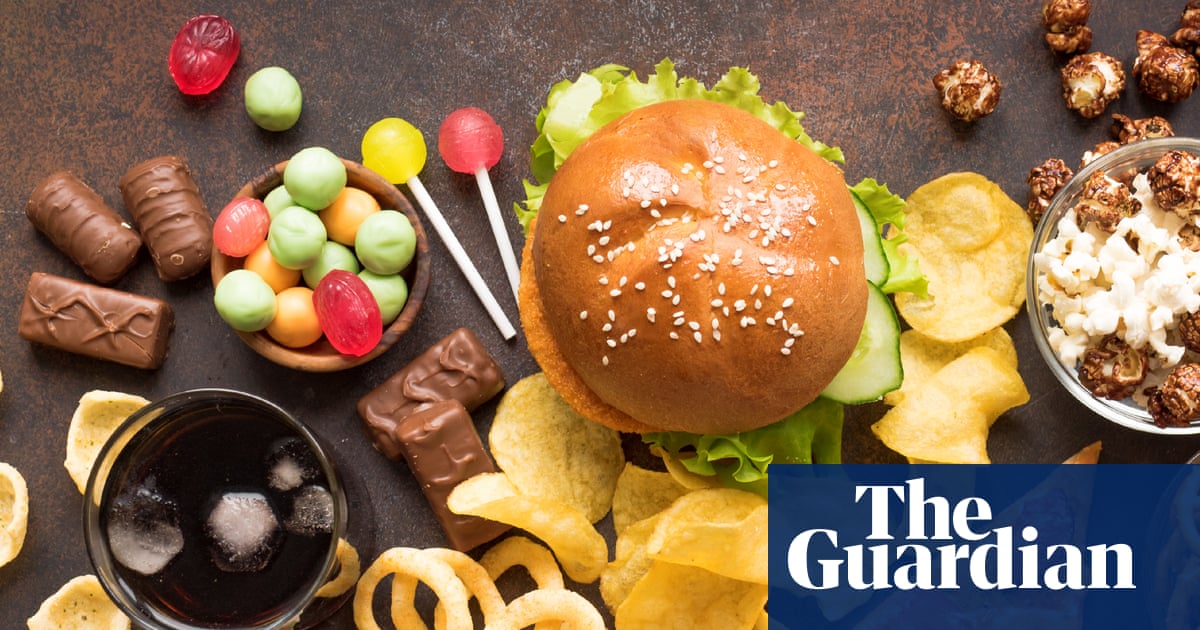
It’s significant to understand what falls into this category. UPFs are industrial formulations made mostly from substances extracted from foods – oils, fats, sugars, starch, and proteins – plus additives like coloring, flavoring, and preservatives. Think packaged snacks, sugary drinks, processed meats, and ready-to-eat meals. They differ considerably from minimally processed foods like frozen vegetables or canned beans.
Here’s a quick breakdown:
* Minimally Processed Foods: these are foods altered slightly for preservation or convenience, but retain their nutritional value (e.g., pre-cut vegetables, canned tomatoes).
* Ultra-Processed foods: These are industrial creations with little resemblance to their original ingredients, designed for long shelf life and maximum palatability.
A Multi-faceted Solution
Addressing this issue requires a comprehensive approach, tackling both the supply and demand sides of the equation. Simply telling people to “eat healthier” isn’t enough. We need policies that make healthy choices easier and more affordable for everyone.
Consider these key strategies:
* Support Local & Diverse Producers: Shifting resources away from large, transnational food corporations and towards smaller, local producers can foster a more resilient and nutritious food system.
* Increase Access to Fresh Foods: Policies that support the availability and affordability of fresh fruits, vegetables, and minimally processed foods are crucial.
* Address Socioeconomic Inequalities: The demand for UPFs is frequently enough driven by socioeconomic factors and gender inequalities. Addressing these underlying issues is essential.
* Rethink School Lunch Programs: Implementing policies like the “gold standard” model in Brazil – requiring 90% of school lunch foods to be unprocessed or minimally processed – can significantly improve children’s diets.
The Future of Food
A “new vision” for our food system is needed. One that prioritizes public health and sustainability over profit. Currently, dietary guidelines are under review, with a focus on the impact of UPF consumption on long-term health outcomes.This is a positive step, but it’s just the beginning.
You deserve access to nutritious, affordable food that supports your health and well-being. By advocating for systemic change, we can create a food surroundings that makes healthy choices the easy choices for everyone. it’s time to move beyond individual obligation and address the root causes of this growing public health crisis.
Related reading
- How to Beat China in the Global Clean Energy Race
- How to Manage Car Insurance Costs for New Teen Drivers in Canada
- Havenwood Heritage Heights Concord NH: Fitness Centers, Outdoor Activities, and Health Services for Seniors (news-usa.today)
- PCOS to PMOS: Why the Name Change Matters for Women’s Health (archynewsy.com)