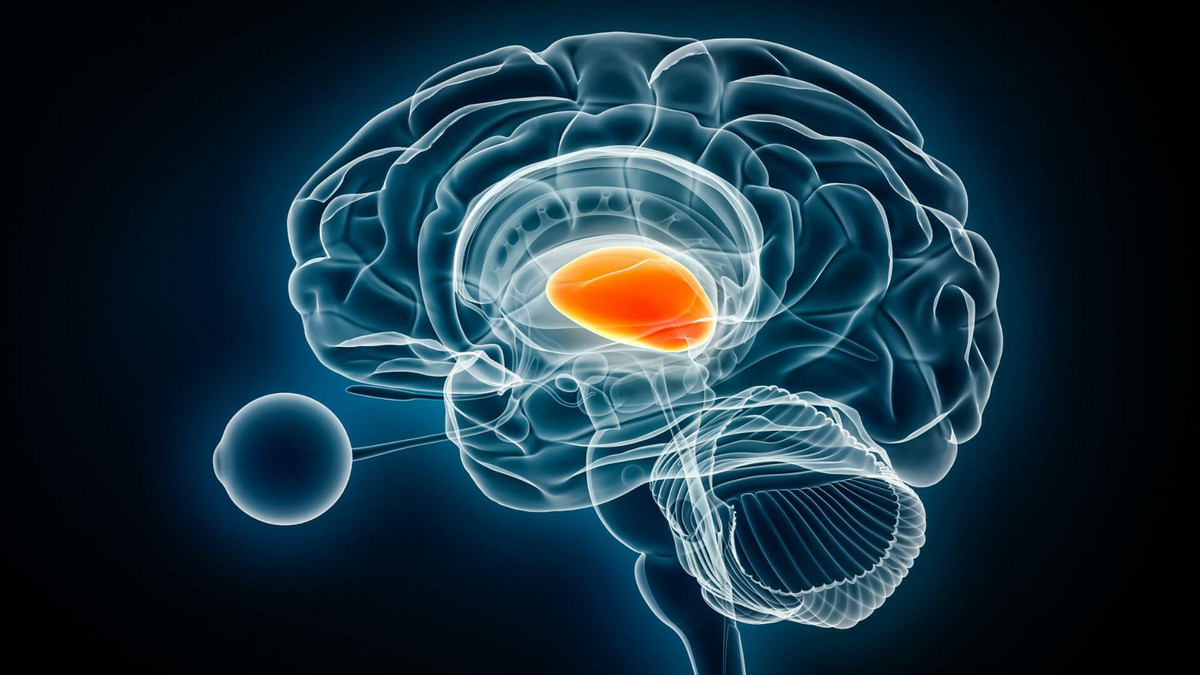
Ultrasound-based brain stimulation is emerging as a promising non-invasive method for targeting deep brain regions involved in pain processing, according to recent research from the Université de Montréal. A study published in March 2026 demonstrated that transcranial ultrasound stimulation (TUS) can precisely modulate activity in areas such as the primary somatosensory cortex and the thalamic ventro-postero-lateral nucleus, offering new insights into the neural mechanisms of pain.
The findings, set to be published in the journal Pain, build on earlier perform showing that TUS can reach deeper brain structures than traditional non-invasive techniques like transcranial magnetic stimulation (TMS) or transcranial direct current stimulation (tDCS). Researchers conducted a double-blind, placebo-controlled trial with 25 healthy participants aged 18 to 40, applying TUS to specific brain regions while measuring changes in pain sensitivity.
“Until recently, neuromodulation techniques included invasive methods such as deep brain stimulation and non-invasive approaches with limited ability to reach deep brain regions,” explained Oury Monchi, researcher at the Centre de recherche de l’Institut universitaire de gériatrie de Montréal (CRIUGM) and professor at the Université de Montréal’s Department of Radiology, Radiation Oncology and Nuclear Medicine. “Transcranial ultrasound stimulation presents a novel alternative since it uses energy in a non-invasive way to target more precisely and more deeply into brain regions, particularly those involved in pain,” added Ali K. Zadeh, the study’s first author.
The research focused on two key areas: the left primary somatosensory cortex (S1), which processes sensory input from the body and the left ventral posterolateral nucleus (VPL) of the thalamus, a critical relay point for pain signals traveling to the cortex. By stimulating these regions with focused ultrasound, scientists were able to observe measurable changes in how participants responded to pain stimuli, suggesting that TUS can influence both the sensory and emotional dimensions of pain perception.
This approach represents a significant step forward in the development of non-pharmacological treatments for chronic pain conditions. Unlike surgical interventions or implanted devices, TUS does not require incisions or anesthesia, reducing risks and recovery time. Its ability to focus energy on small, deep-seated targets without affecting surrounding tissue makes it particularly suitable for modulating complex pain networks distributed across multiple brain regions.
Further supporting the potential of ultrasound in neurological applications, a 2024 article in Medecine Sciences highlighted that brain stimulation with ultrasounds can precisely modulate activity in areas involved in integrating nociceptive signals—the neural messages that signal tissue damage or potential harm. The authors noted that this capability positions TUS as a valuable tool not only for pain relief but also for studying the brain’s endogenous pain control systems.
At the Université de Montréal, ultrasound is already integrated into physiotherapy education through tools like Électrologic, an online platform that teaches students about various physical and electrical modalities used in rehabilitation, including ultrasound, laser, and transcutaneous electrical nerve stimulation (TENS). The platform emphasizes evidence-based practice and helps future clinicians select the most appropriate treatment based on a patient’s condition and therapeutic goals.
As research continues, experts suggest that TUS could eventually be adapted for clinical use in treating conditions such as neuropathic pain, fibromyalgia, or post-stroke pain syndromes. However, they caution that more studies are needed to determine optimal stimulation protocols, long-term effects, and which patient populations benefit most.
The next step in this line of research involves larger clinical trials to assess therapeutic efficacy in individuals with chronic pain. Researchers at CRIUGM and partner institutions are preparing protocols for upcoming studies, though no specific start dates have been publicly announced as of April 2026.
For those interested in following developments in neuromodulation and pain management, updates are typically shared through peer-reviewed journals, academic conferences, and institutional press releases from organizations like the International Neuromodulation Society or the Canadian Pain Society.
What do you sense about the potential of ultrasound technology in treating chronic pain? Share your thoughts in the comments below and help spread awareness by sharing this article with others who might benefit from learning about emerging non-invasive therapies.
Worth a look