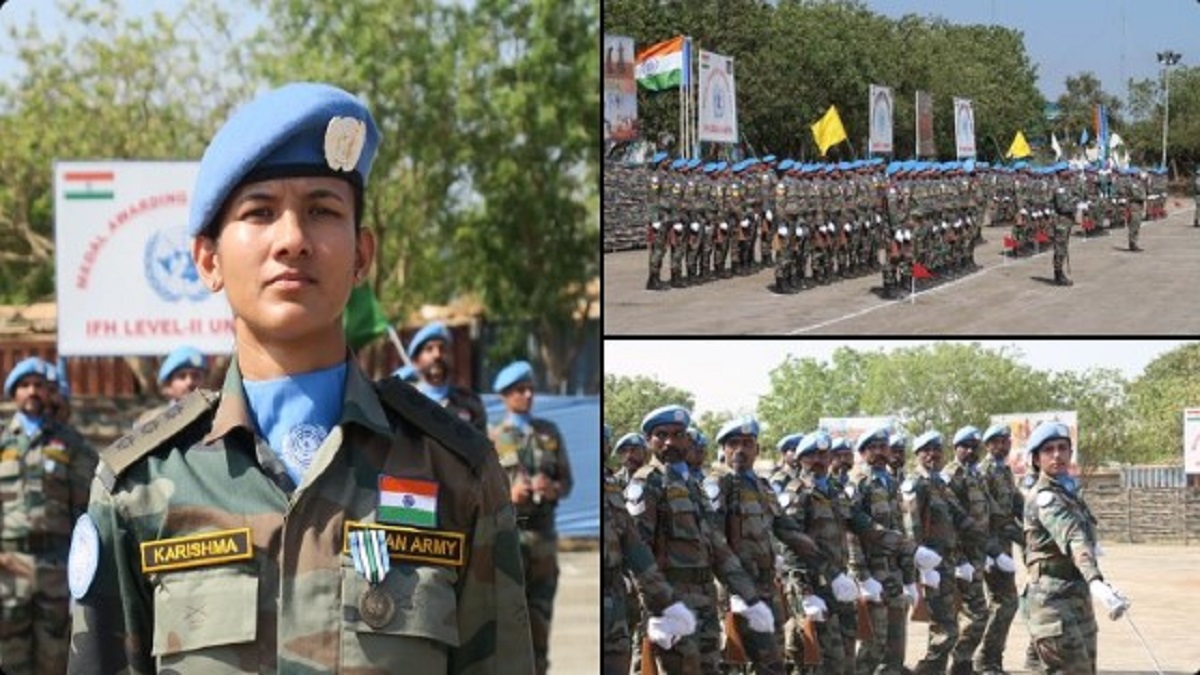
JUBA, South Sudan — More than 550 Indian peacekeepers serving with the United Nations Mission in South Sudan (UNMISS) were awarded the U.N. Medal of Honour in a ceremony held on December 3, 2024, in Bor, South Sudan. The medals, a symbol of recognition for their contributions to international peace and security, were presented during a parade attended by senior UNMISS officials and representatives of the Indian contingent. The event underscored the critical role of foreign peacekeeping forces in stabilizing one of the world’s most volatile regions, where ongoing conflicts and humanitarian crises demand sustained international engagement.
The U.N. Medal of Honour is among the highest distinctions bestowed by the United Nations, recognizing individuals who have made exceptional contributions to peacekeeping missions. For the Indian peacekeepers—part of the Indian Battalion 2 (INDBATT 2)—this honour comes after years of service that included not only traditional peacekeeping duties but also innovative community engagement initiatives. Their work has ranged from protecting civilians through patrols to organizing free veterinary camps for ailing livestock, a vital lifeline for local farmers whose livelihoods depend on healthy herds. According to the United Nations Mission in South Sudan, these efforts have directly supported thousands of families across Bor, Pibor, and Akobo, three key locations where the Indian battalion has been deployed.
The ceremony in Bor was a moment of pride for the Indian contingent, reflecting both the professionalism of their mission and the broader commitment of UNMISS to fostering stability in South Sudan. Lieutenant-General Mohan Subramanian, the UNMISS Force Commander, praised the Indian peacekeepers for their dedication, noting their engagement in cultural and sports activities within local communities. “I’m also thankful to you for engaging in a large number of cultural and sports activities in the communities that are in your proximity,” Subramanian said during the event, highlighting the battalion’s holistic approach to peacebuilding. Brigadier General Dinesh Singh, Force Headquarters Juba, echoed these sentiments, emphasizing the battalion’s “rich and glorious past” in South Sudan and its ongoing efforts to align with the UNMISS mandate through both operational tasks and welfare measures.
Beyond Patrols: The Indian Battalion’s Multifaceted Role in South Sudan
The Indian peacekeepers’ recognition extends far beyond their traditional duties of monitoring ceasefires and protecting civilians. Their mandate under UNMISS includes a wide array of activities designed to address the root causes of instability in South Sudan. Among these are:
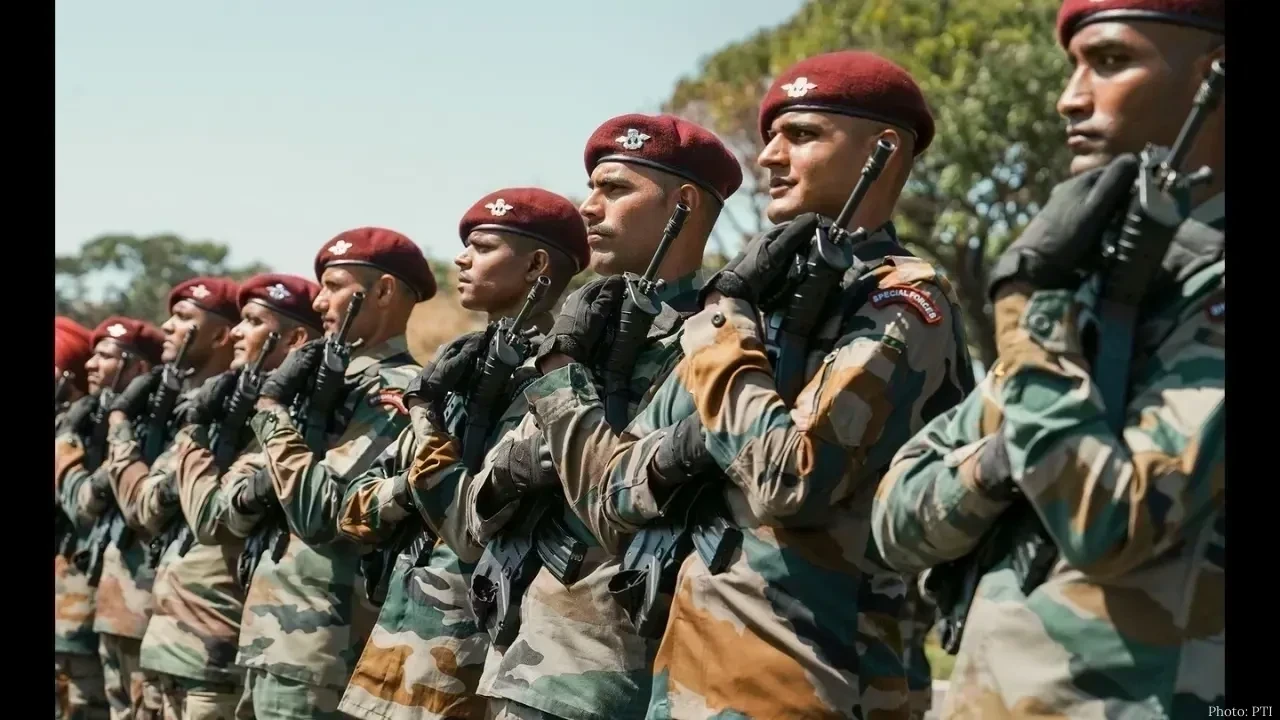
- Community Engagement: The battalion has actively participated in cultural exchanges, sports tournaments, and educational programs, fostering trust between peacekeepers and local populations. These interactions are crucial in regions where mistrust of foreign forces can hinder peacekeeping efforts.
- Veterinary Camps: In collaboration with local authorities, INDBATT 2 has organized free veterinary camps to treat ailing cattle. Livestock is a cornerstone of the South Sudanese economy, and the health of these animals directly impacts food security and income for rural families. The camps have treated thousands of animals, providing much-needed relief to farmers.
- Women’s Empowerment: The battalion has played a pivotal role in combating gender-based violence and promoting women’s self-defense training. In a country where women and girls face heightened risks during conflicts, such initiatives are critical for building resilience and protecting vulnerable populations.
- Humanitarian Access: By improving security along key routes, the Indian peacekeepers have facilitated the delivery of humanitarian aid to areas otherwise cut off by conflict. This includes medical supplies, food assistance, and shelter materials, all of which are lifesaving in a region plagued by famine and displacement.
These efforts align with the broader goals of UNMISS, which was established in 2011 following South Sudan’s independence from Sudan. The mission’s mandate includes protecting civilians, supporting the implementation of peace agreements, and promoting human rights. However, the challenges remain immense. South Sudan has been mired in cycles of violence since its inception, with ethnic tensions, political instability, and economic collapse exacerbating the humanitarian crisis. As of 2024, over 4 million people are internally displaced, and millions more require urgent food assistance.
Why This Recognition Matters
The U.N. Medal of Honour is not merely an award; It’s a testament to the sacrifices made by peacekeepers who often operate in high-risk environments. For the Indian contingent, this recognition comes at a time when peacekeeping missions worldwide face growing scrutiny over their effectiveness, funding, and safety. The United Nations has increasingly emphasized the need for peacekeepers to adapt their strategies to address complex crises, moving beyond traditional military roles to include community development, conflict prevention, and humanitarian assistance.
In South Sudan, where the legacy of colonialism, ethnic divisions, and weak state institutions continues to fuel conflict, the Indian battalion’s approach—combining security with development—offers a model for modern peacekeeping. Their work in Bor, Pibor, and Akobo demonstrates how peacekeepers can become catalysts for stability by addressing the immediate needs of local communities. As Brigadier General Singh noted, the battalion’s efforts are not just about fulfilling a mandate but about building a foundation for lasting peace.
Looking Ahead: The Future of UNMISS and Indian Peacekeeping
While the medal ceremony marks a moment of celebration, the challenges in South Sudan remain daunting. The United Nations has indicated that UNMISS’s mandate will continue to evolve, with an increased focus on supporting the country’s fragile political processes and economic recovery. The Indian peacekeepers’ contributions, as recognized by the U.N. Medal of Honour, will likely serve as a benchmark for future engagements in the region.
For the Indian contingent, the next phase involves sustaining their community-focused initiatives while adapting to the evolving security landscape. The Indian government, which has been a consistent contributor to U.N. Peacekeeping missions, is expected to continue its support for such operations, particularly in Africa, where demand for peacekeeping resources remains high. Meanwhile, UNMISS is preparing to release its 2025 strategic plan, which will outline priorities for the coming year, including potential expansions of peacekeeping and humanitarian efforts.
Key Takeaways
- The U.N. Medal of Honour was awarded to over 550 Indian peacekeepers serving with UNMISS in South Sudan, recognizing their contributions to peacekeeping and community development.
- The Indian Battalion 2 (INDBATT 2) has engaged in patrols, veterinary camps, women’s empowerment programs, and humanitarian aid delivery, aligning with UNMISS’s broader mandate.
- South Sudan remains one of the world’s most complex humanitarian crises, with ongoing conflicts displacing millions and requiring sustained international support.
- The medal ceremony underscores the evolving role of modern peacekeeping, which now includes not only security but also development and community engagement.
- UNMISS’s future strategy will likely build on the successes of initiatives like those led by the Indian peacekeepers, with a focus on political stabilization and economic recovery.
The next official update from UNMISS regarding the Indian peacekeepers’ activities and the mission’s strategic direction is expected in the first quarter of 2025, following the release of the 2025 strategic plan. In the meantime, the United Nations continues to call for increased international support to address the humanitarian needs in South Sudan. For those interested in following developments, official updates can be found on the UNMISS website and through the UN Office for the Coordination of Humanitarian Affairs (OCHA).

We welcome your insights and experiences related to peacekeeping efforts in South Sudan. Share your thoughts in the comments below or share this article to raise awareness about the critical work being done by peacekeepers worldwide.
Keep reading