## The Future of Multilateralism: Kenya’s President Ruto Calls for Urgent UN Reform
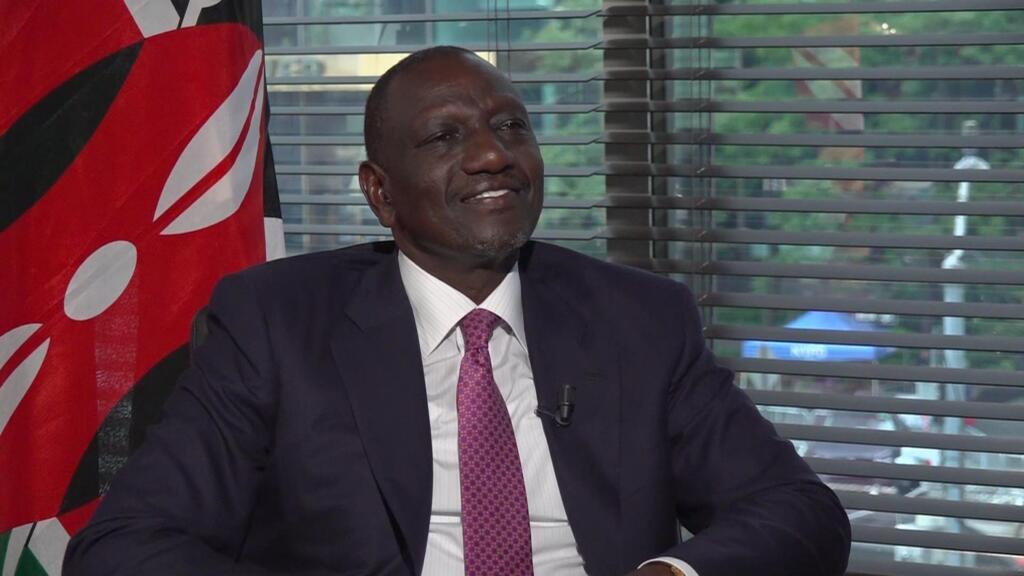
The global order is facing a critical juncture,and the need for a robust,representative multilateral system has never been more apparent. During a recent interview with FRANCE 24 on September 25, 2025, while attending the UN General Assembly in New York City, Kenyan President William Ruto delivered a stark assessment: the United Nations, in its current form, risks obsolescence if substantial reforms aren’t implemented. His pronouncements centered on the necessity of restructuring the UN Security Council and overhauling the international financial system, reflecting a growing sentiment among nations seeking a more equitable global framework. This call to action underscores the increasing pressure for a UN reform that addresses contemporary challenges and ensures the institution’s continued relevance in the 21st century.
President Ruto’s address wasn’t merely a critique; it was a detailed proposal for change. He specifically highlighted the imbalance of power within the UN Security Council, advocating for a more inclusive portrayal of African nations and the global South. Currently, the Council’s permanent members – China, France, Russia, the United Kingdom, and the United States – wield disproportionate influence, often leading to decisions that don’t fully reflect the interests of the majority of the world’s population.According to a recent report by the Council on Foreign Relations (November 2024), the lack of representation fuels perceptions of bias and undermines the legitimacy of the UN’s actions.
Addressing Global Financial Disparities
Beyond the Security Council, Ruto’s concerns extended to the international financial architecture. He argued that existing institutions, such as the International monetary Fund (IMF) and the World Bank, frequently enough impose conditions on developing nations that hinder their economic growth and perpetuate cycles of debt. This echoes a broader debate about IMF conditionality and its impact on sovereign nations.He proposed a system that prioritizes sustainable growth and allows countries to chart their own economic paths without undue external pressure. Recent data from the World Bank (August 2025) indicates that Sub-Saharan African countries face an average debt-to-GDP ratio of 65%, considerably higher than the global average, highlighting the urgency of financial reform.
The President’s statements align with a growing movement advocating for a more just and equitable global financial system. This includes calls for increased access to concessional financing, debt restructuring initiatives, and a greater voice for developing countries in international economic decision-making. For instance, the bridgetown Initiative, championed by Barbadian Prime Minister Mia Mottley, proposes a comprehensive overhaul of the global financial architecture to address climate change and development challenges.
kenya’s Role in Haiti: A Mission Concluded
The interview also provided an update on Kenya’s multinational security support mission in Haiti,authorized by the UN Security Council in October 2023. President Ruto affirmed that Kenyan forces had “achieved some landmark achievements” and “stabilised the place,” contributing to a reduction in gang violence and improved security conditions. Though, he also confirmed that Kenyan troops would be returning home, following a phased withdrawal plan. This decision,he explained,was made in consultation with the Haitian government and reflects a shift towards building the capacity of Haitian security forces to maintain long-term stability.
The Kenyan mission in Haiti, while facing initial legal challenges domestically, served as a crucial intervention in a country grappling with a severe humanitarian and security crisis. A report by the UN Integrated office in Haiti (June 2025) acknowledges the positive impact of the mission in disrupting gang activity and restoring a semblance of order, but also emphasizes the need for sustained international support to address the root causes of instability, including poverty, corruption, and political dysfunction.
The Imperative for a Reformed UN
President Ruto’s message is a