UN Rejects Israeli Border Claims as Gaza crisis Deepens: A Extensive Update
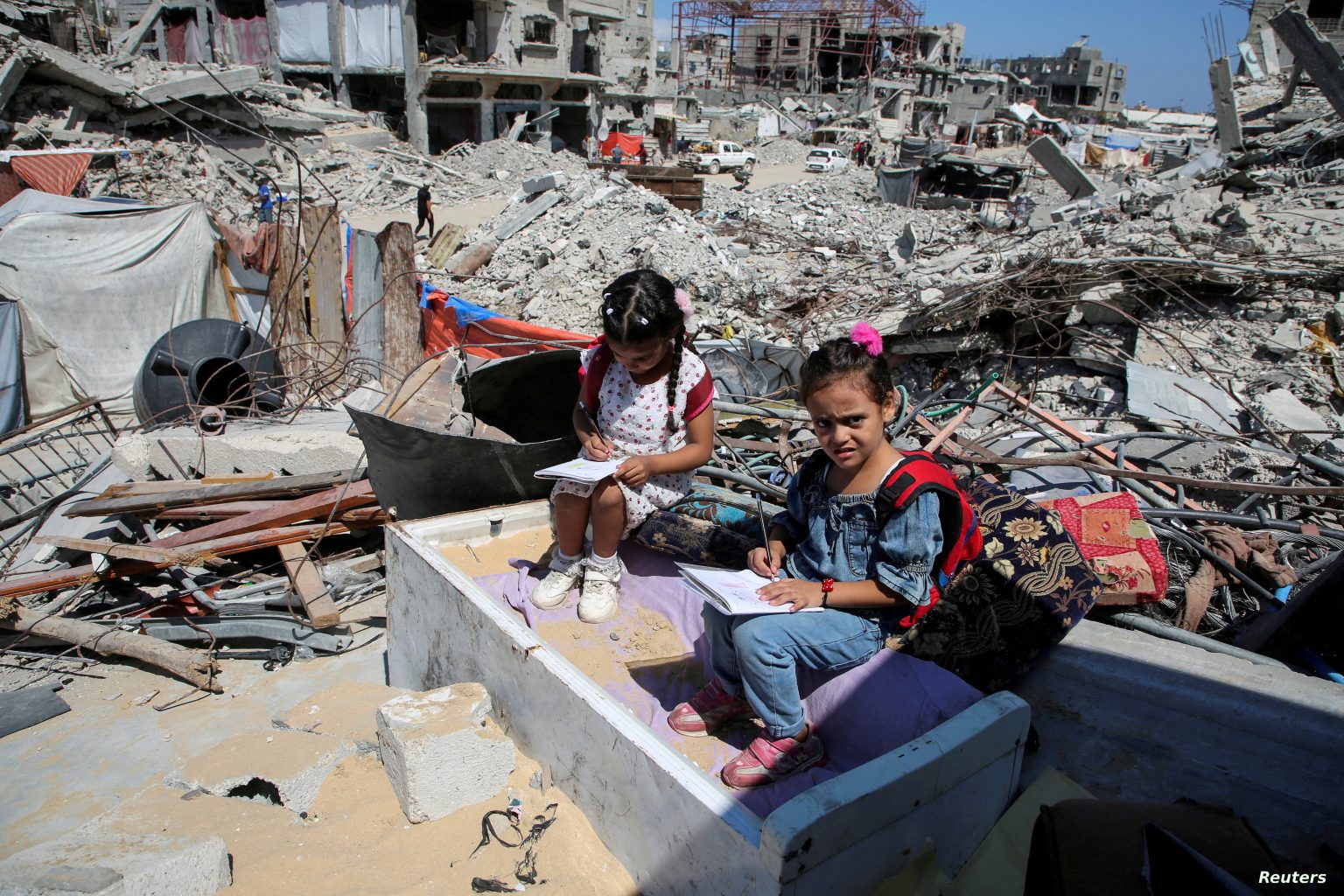
The United Nations has firmly rejected recent assertions by Israeli Chief of Staff Eyal Zamir regarding a redefined border in Gaza,reaffirming its commitment to internationally recognized boundaries. This stance comes amidst a rapidly deteriorating humanitarian situation within the Gaza Strip, marked by escalating casualties, infrastructure collapse, and the looming threat of winter-exacerbated health crises.
Border Dispute and International Law
Zamir’s claim that the “yellow line” demarcates a new border is a direct challenge to established international consensus. UN Spokesperson Stéphane Dujarric unequivocally stated the organization’s opposition to any alteration of Gaza’s borders, emphasizing the comments contradict the principles underpinning previous peace frameworks, including that advanced during the Trump administration.The UN continues to recognize onyl the pre-existing borders between Gaza and Israel,upholding international law and previous resolutions.
Escalating Humanitarian Crisis: A Mounting Death Toll
The rejection of altered borders is shadowed by a grim reality on the ground. The Gaza Ministry of Health reports a staggering death toll exceeding 70,369 since the conflict began in October 2023, with over 171,069 individuals injured. Recent reports detail harrowing incidents, including the death of 16-year-old Zahir Nasser Shamia in Jabalia refugee camp, allegedly shot by Israeli forces and subsequently run over by a tank near the contested “yellow line.” Eyewitness accounts and medical sources corroborate claims of obstructed ambulance access and heavy fire in densely populated areas. Separate incidents have resulted in the deaths of a man and a woman near the Halawa camp for displaced people, reportedly struck by Israeli military cranes.
Winter Conditions and Infrastructure Failure Compound Suffering
the ongoing military operations are compounded by increasingly harsh winter conditions. the Emergency Response operations Room in Gaza has issued urgent appeals for shelter materials, warning that heavy rainfall has flooded numerous tents, destroying the meager possessions of displaced families. The potential for fatalities among vulnerable populations – children and the elderly – is rising due to plummeting temperatures and a critical lack of basic protection.
Beyond immediate shelter needs, Gaza’s infrastructure is on the brink of collapse. According to municipal spokesperson Husni Mehanna,seven of the city’s eight main wastewater pumping stations have been destroyed,crippling the sanitation system to approximately 20% capacity. This severely limits the city’s ability to manage rainfall, increasing the risk of widespread flooding in areas already overwhelmed by displaced civilians.
The Hidden Danger of Unexploded Ordnance
As civilians begin to move around Gaza following periods of ceasefire, the UN Mine Action Program highlights a growing and frequently enough overlooked threat: unexploded ordnance. Head of the program, Julius van der Walt, warns that remnants of war pose a significant obstacle to restoring normalcy, with children notably vulnerable due to their natural curiosity and lack of awareness. The presence of these hazards will impede reconstruction efforts and continue to endanger lives long after active conflict subsides.
International Calls for a Political Solution
Regional and international leaders are increasingly vocal in their calls for a sustainable political resolution. Turkish president Recep Tayyip Erdogan emphasized the necessity of strengthening the ceasefire and pursuing a two-state solution, condemning the loss of over 70,000 Palestinian lives as a violation of basic human rights.
Egypt’s Foreign Minister Badr Abdelatty, in a conversation with U.S. Secretary of State Marco Rubio, urged progress to the second phase of the Hamas-Israel ceasefire agreement. This includes the implementation of UN Security Council Resolution 2803, encompassing the deployment of an international stabilization force, the establishment of a Palestinian technocratic commitee to administer Gaza, the unimpeded delivery of humanitarian aid, and the reconstruction of vital infrastructure.
Settlement Expansion Fuels Tensions
Adding further complexity to the situation, Hamas has condemned Israel’s approval of 764 new settlement units, labeling it an “expansionist measure” and a “serious escalation” that contravenes international law and UN Security Council resolutions. The group has called for binding international measures to halt settlement expansion, a key obstacle to a lasting peace.
The situation in Gaza remains critically unstable, demanding immediate humanitarian assistance and a renewed commitment to a comprehensive political solution grounded in international law and respect for the rights of all parties involved.
Keep reading
- Trump, Netanyahu, and the Saudi Nuclear Deal: A Relationship Under Strain
- Europe’s “Sixth Generation” Wildfires: Record Seasons and Economic Crisis
- Greece Tourism Crisis: Luxury Costs, Water Scarcity, and Infrastructure Strain (newsdirectory3.com)
- Netanyahu plays it safe in a Washington that’s cooled on Israel (archyde.com)