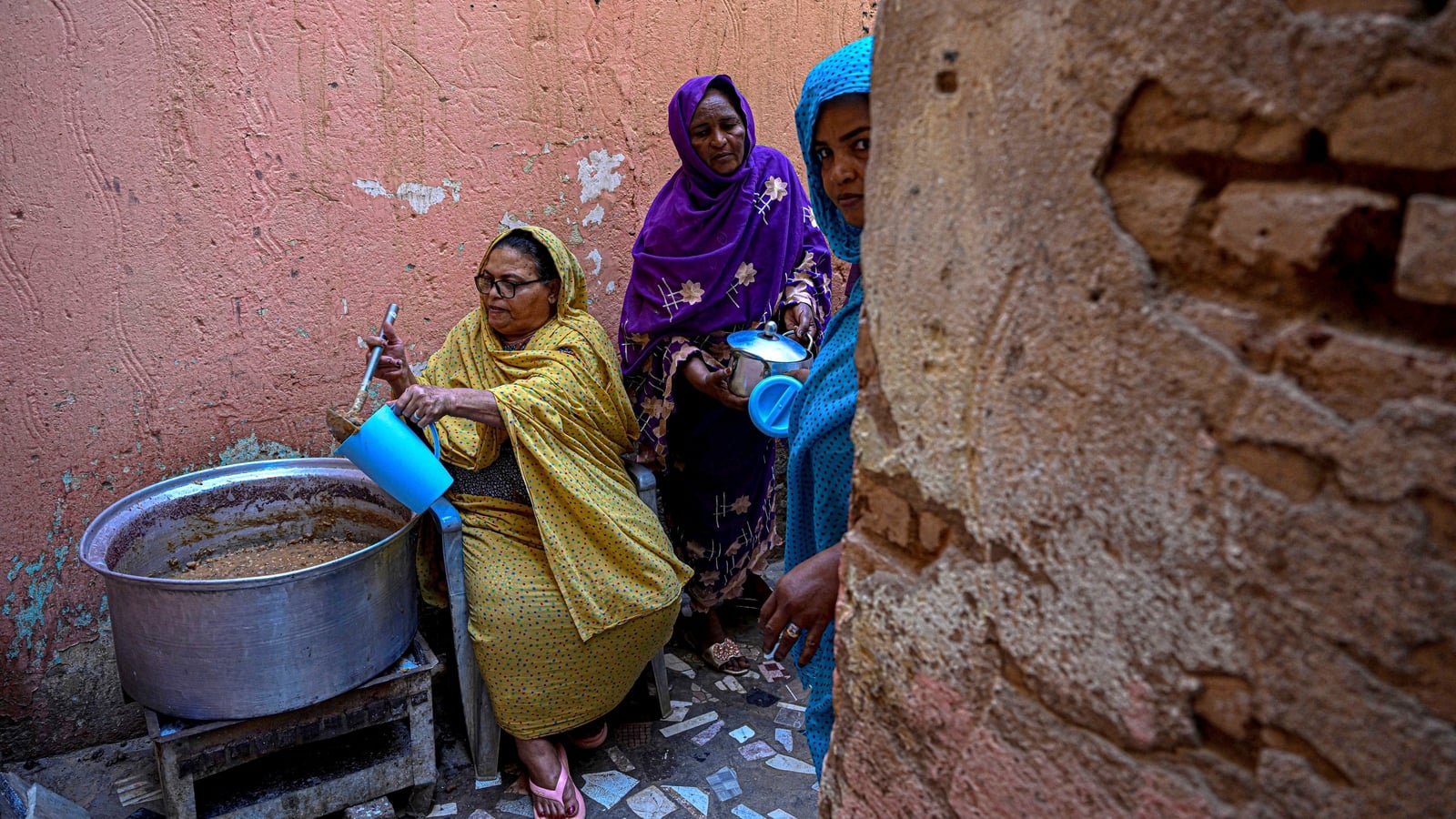
Two-thirds of people facing food crises globally last year lived in just 10 countries, with a third of them concentrated in Sudan, Nigeria, and the Democratic Republic of Congo, according to a UN-backed report released in early 2026. The findings, published by the Global Network Against Food Crises, highlight how conflict, climate shocks, and economic instability continue to drive acute hunger in some of the world’s most vulnerable regions. The report underscores that despite global humanitarian efforts, food insecurity remains deeply entrenched in specific national crises, requiring sustained and coordinated international response.
The data shows that over 200 million people experienced acute food insecurity in 2025, with more than 130 million of them located in those ten high-burden countries. Sudan, Nigeria, and the Democratic Republic of Congo together accounted for nearly 70 million of those cases—approximately one-third of the global total. These figures reflect not only the scale of need but also the intensity of underlying drivers, including protracted violence, displacement, and disrupted agricultural cycles. The report notes that humanitarian access remains severely constrained in several of these contexts, limiting the effectiveness of aid delivery even when funding is available.
In Sudan, ongoing conflict between the Sudanese Armed Forces and the Rapid Support Forces has led to widespread displacement and the collapse of basic services in regions such as Darfur, Kordofan, and Khartoum. According to verified humanitarian assessments, over 18 million people in Sudan faced acute hunger in 2025, with famine conditions confirmed in parts of North Darfur by the Integrated Food Security Phase Classification (IPC) in late 2025. The United Nations World Food Programme has reported that funding shortfalls have forced reductions in food rations for internally displaced persons, exacerbating malnutrition rates among children under five.
Nigeria continues to grapple with food insecurity driven by insurgency in the Northeast, banditry in the Northwest and North Central zones, and climate-related challenges such as flooding and desertification. The Cadre Harmonisé analysis, endorsed by the Nigerian government and regional bodies, estimated that nearly 25 million Nigerians were in crisis or worse levels of food insecurity during the 2025 lean season. States like Borno, Yobe, and Adamawa remain particularly affected, where Boko Haram and Islamic State West Africa Province (ISWAP) activities have disrupted farming and market access for years.
In the Democratic Republic of Congo, persistent violence in the eastern provinces—particularly Ituri, North Kivu, and South Kivu—has displaced over 7 million people internally, according to the UN Office for the Coordination of Humanitarian Affairs (OCHA). Armed groups, including M23 rebels and various Mai-Mai factions, have disrupted agricultural production and restricted movement, forcing households to rely on humanitarian aid. The IPC reported that more than 26 million people in DRC faced high levels of acute food insecurity in 2025, with malnutrition rates exceeding emergency thresholds in several health zones.
The report emphasizes that these three countries are not isolated cases but part of a broader pattern where conflict is the primary driver of hunger. In eight of the ten countries listed, insecurity and violence were identified as the main causes of food crises, surpassing climate and economic factors in severity. This trend has prompted humanitarian organizations to advocate for greater investment in conflict-sensitive aid programming and stronger diplomatic efforts to protect humanitarian access and uphold international humanitarian law.
Climate variability also played a significant role, especially in the Horn of Africa and the Sahel, where prolonged droughts and erratic rainfall have reduced crop yields and depleted livestock. In Somalia, Ethiopia, and Kenya, consecutive failed rainy seasons have pushed pastoral and agro-pastoral communities into deeper vulnerability. Meanwhile, economic decline—including currency depreciation, inflation, and reduced public spending—has eroded household purchasing power in countries like Yemen, Afghanistan, and Haiti, which also featured in the top ten.
Humanitarian leaders have warned that without a significant increase in flexible, multi-year funding and improved access negotiations, the cycle of crisis will persist. The Global Network Against Food Crises called for stronger linkages between emergency response and long-term resilience building, including support for local food systems, early warning mechanisms, and social protection programs. They also stressed the importance of investing in data collection and analysis to improve the timeliness and accuracy of hunger assessments.
The report’s release coincides with preparations for the mid-year review of the 2026 Global Humanitarian Overview, where donors and aid agencies will assess funding requirements and operational challenges. Officials from the UN Office for the Coordination of Humanitarian Affairs have indicated that the next major update on global food insecurity trends is expected in September 2026, following the completion of seasonal analyses in key regions.
As the international community grapples with competing priorities, the concentration of hunger in a small number of countries presents both a challenge and an opportunity: while the needs are immense, targeted interventions in these contexts could yield outsized impacts in reducing global food insecurity.
For ongoing updates on global food security data and humanitarian responses, readers can refer to the Integrated Food Security Phase Classification (IPC) platform and the World Food Programme’s publications portal, both of which provide regular, verified assessments of crisis-affected populations.
We welcome your thoughts on this critical issue. Share your perspective in the comments below or join the conversation on social media using #GlobalHungerCrisis.
Related reading