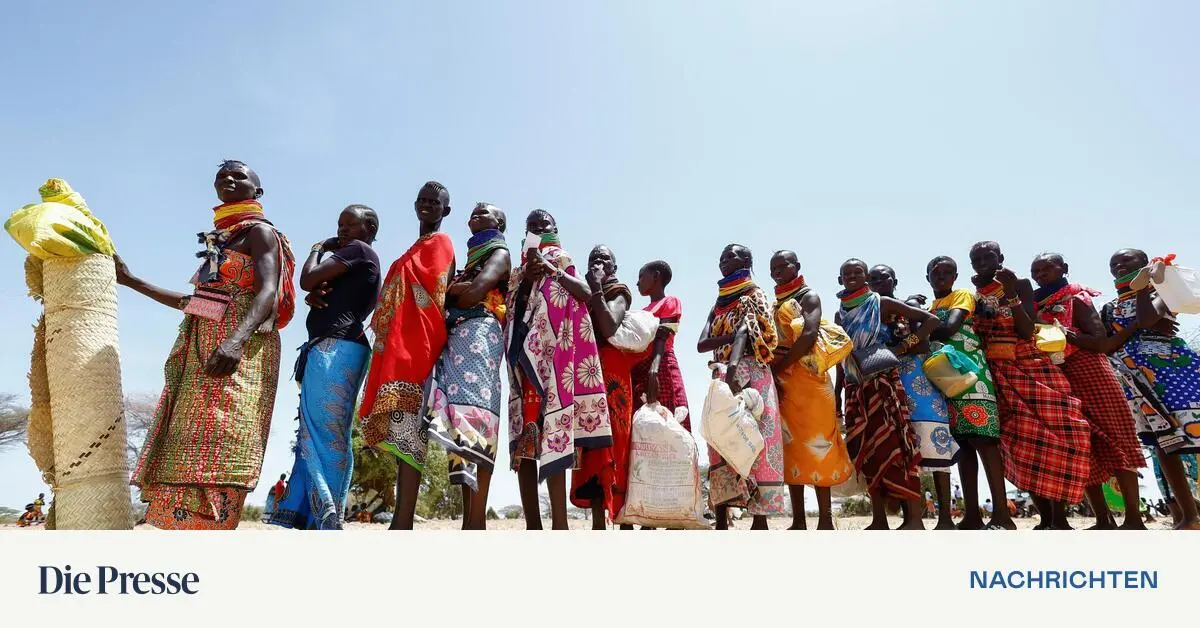
The Unequal Burden: How Global Water Crisis Disproportionately Impacts Women and Girls
The global water crisis is not a gender-neutral issue. While 2.1 billion people worldwide lack access to safely managed drinking water services, according to United Nations data, the responsibility for collecting water often falls disproportionately on women and girls. This seemingly simple task carries a complex web of consequences, extending beyond physical strain and time constraints to encompass increased risks of violence, limited educational opportunities, and systemic disadvantages in decision-making processes. The issue is particularly acute in rural areas, where women are responsible for water collection in 70 percent of households without access to improved water sources.
The impact of inadequate water access on women and girls is multifaceted. Beyond the physical exertion of walking long distances to collect water – often carrying heavy loads – they face heightened vulnerability to sexual harassment and assault during these journeys. This risk is a significant barrier to their safety and well-being. The time spent collecting water detracts from opportunities for education, income-generating activities, and leisure, perpetuating cycles of poverty and inequality. Globally, women and girls collectively spend an estimated 250 million hours each day fetching water, a staggering figure that represents lost potential and economic productivity.
The Hidden Costs: Sanitation, Education, and Economic Empowerment
The lack of adequate sanitation facilities exacerbates the challenges faced by women and girls. Without access to safe and private toilets, particularly in schools, girls often miss school during menstruation, leading to significant educational setbacks. A report indicates that between 2016 and 2022, over ten million adolescents aged 15-19 in 41 countries missed school, work, or social activities during their periods due to a lack of adequate menstrual hygiene facilities. The UN Water Action Decade highlights the critical need for safe water access in and around schools to ensure girls can continue their education without interruption.
The consequences extend beyond education. Limited access to water and sanitation also impacts women’s economic opportunities. The time spent on water collection prevents them from engaging in paid work or starting businesses, hindering their financial independence. The lack of sanitation facilities can create unsafe and undignified conditions, particularly for women working in informal sectors.
Structural Inequalities: Land Rights and Decision-Making
The United Nations recognizes that women are frequently tasked with managing household water needs, yet they are significantly underrepresented in decision-making processes related to water resource management. This disparity is often linked to unequal land rights, as men typically control a larger share of land ownership, which is often tied to water access. This structural disadvantage limits women’s ability to influence policies and investments that affect their access to this essential resource. UN Women champions gender equality and works to ensure women have a voice in all aspects of sustainable development, including water management.
Chhaya Kapilashrami, Deputy Director-General of the United Nations Office in Vienna (UNOV) and Director of the Division for Management, UNOV and the United Nations Office on Drugs and Crime (UNODC), exemplifies the growing number of women in leadership positions within the UN system. Her appointment in July 2025 underscores a commitment to gender parity within the organization, though challenges remain in ensuring equitable representation at all levels of water governance globally. Prior to her current role, Kapilashrami served as a Senior Director at the United Nations Framework Convention on Climate Change (UNFCCC) in Bonn and as Director of the Division of Operational Support (DOS), supporting peace and security operations at UN Headquarters in New York.
The Broader Context: Global Water Stress and Climate Change
The challenges faced by women and girls in accessing water are compounded by increasing global water stress, driven by climate change, population growth, and unsustainable water management practices. Regions already facing water scarcity are projected to experience even more severe shortages in the coming decades, exacerbating existing inequalities. According to the United Nations Information Centre (UNIC), the promotion and protection of women’s equality has been a consistently supported campaign by the UN for decades.
Climate change is a significant threat multiplier, intensifying droughts, floods, and other extreme weather events that disrupt water supplies. Women and girls are often the first to bear the brunt of these impacts, as they are typically responsible for securing water for their families. Investing in climate-resilient water infrastructure and promoting sustainable water management practices are crucial steps towards mitigating these risks and ensuring equitable access to water for all.
Addressing the Inequality: Solutions and the Way Forward
Addressing the gender inequalities in water access requires a multi-pronged approach. This includes investing in water infrastructure that prioritizes the needs of women and girls, such as providing water points closer to their homes and ensuring safe and private sanitation facilities in schools and communities. It also requires empowering women to participate in decision-making processes related to water management, ensuring their voices are heard and their needs are addressed.
promoting education and economic opportunities for women is essential. When women have access to education and income-generating activities, they are better able to advocate for their rights and contribute to sustainable water management solutions. Supporting women-led initiatives and businesses in the water sector can also create economic opportunities and promote gender equality.
The international community must prioritize investments in water and sanitation infrastructure, particularly in developing countries. This includes providing financial and technical assistance to support the development of sustainable water management systems and promoting innovative technologies that can improve water access and efficiency. Strengthening governance and accountability mechanisms is also crucial to ensure that water resources are managed equitably and sustainably.
Key Takeaways:
- Women and girls disproportionately bear the burden of water collection, impacting their safety, education, and economic opportunities.
- Lack of access to safe water and sanitation facilities contributes to significant health and educational challenges for women and girls.
- Structural inequalities, such as unequal land rights, limit women’s participation in water management decision-making.
- Addressing the gender inequalities in water access requires investments in infrastructure, education, and empowerment initiatives.
The UN’s ongoing efforts to promote gender equality and sustainable water management are vital, but sustained commitment and increased investment are needed to achieve meaningful progress. The next key milestone will be the mid-term review of the UN Water Action Agenda in 2026, which will assess progress towards achieving the Sustainable Development Goal 6 – ensuring access to water and sanitation for all.
What are your thoughts on the challenges women and girls face in accessing water? Share your comments below and help us raise awareness about this critical issue.