A Decade of Empowering Youth for Peace: Progress, Challenges, and the Path Forward
Ten years ago, the United Nations formally recognized what many already knew: young people are not just the future of peace, they are essential partners in building it today. UN Security Council Resolution 2250 marked a turning point, and recent events on December 15th highlighted the progress made - and the work that remains – in truly integrating youth voices into international peace and security efforts.
With nearly half the global population under 30,this generation holds the greatest stake in a stable and thriving world. Yet, all too often, they are excluded from the critical conversations shaping that future. This article examines the impact of Resolution 2250, the challenges faced, and how you can contribute to a more peaceful world.
The Impact of Resolution 2250: A Global Movement
since its adoption, the UN has actively supported initiatives designed to implement the resolution’s recommendations. The results are encouraging. several nations have taken concrete steps to empower young peacebuilders:
* National Action Plans: The Democratic Republic of the Congo, The Gambia, and Honduras have all developed Youth, Peace & Security (YPS) national and local action plans.
* Continental Dialog: The African Union hosted Africa’s first continent-wide dialogue on YPS, culminating in the landmark Bujumbura Declaration.
* Growing Adoption: Eleven countries across Africa, the Middle East, Asia, and Europe have enacted YPS action plans aligned with Resolution 2250.
These initiatives demonstrate a growing global commitment to recognizing and supporting the role of young people in preventing conflict and building sustainable peace.
Voices from the Frontlines: The Story of an Afghan Activist
Despite this progress, significant hurdles remain. Afghanistan, under Taliban rule, is notably absent from the list of countries with YPS action plans. However, dedicated activists like Ms. ibrahimi continue to champion women’s rights and youth empowerment, even in the face of immense challenges.
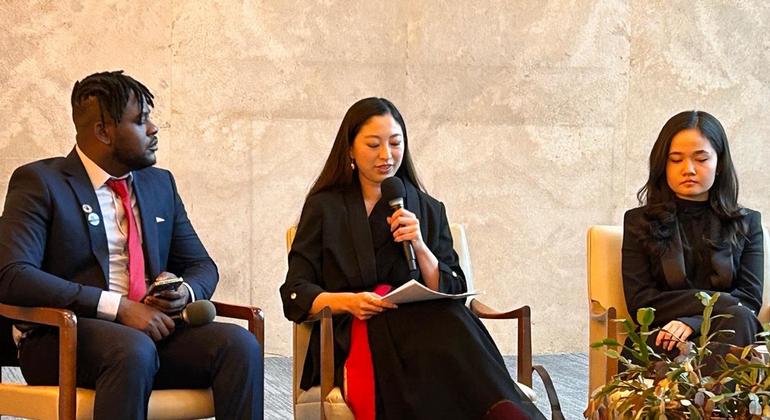
speaking at the December 15th event, Ms. Ibrahimi emphasized the power of connection and learning. “just being in their presence has been a big privilege and possibility to not just talk about my own story and raise the voices of Afghan women but also learn from others,” she shared. Her experience underscores the importance of creating spaces for dialogue and collaboration.
Act Now: Participating in UN Peace Circles
The December 15th events culminated in a powerful peace Circle,featuring ms. Ibrahimi, other young leaders, and senior UN officials. These circles are a key component of the UN’s “Act Now” campaign, a major initiative designed to foster dialogue and action on peace-related issues.
Here’s what you need to know about Peace Circles:
* Inclusive Dialogue: They are informal conversations centered around topics like education, gender equality, climate change, and technology.
* Youth-Focused: At least half of the participants must be under 30, prioritizing those traditionally excluded from UN spaces.
* Direct Impact: Discussions directly inform UN projects, including the Secretary-General’s Independent Study on youth contributions to peace and the advancement of a Global Youth Peace Manifesto.
The “Act Now for Peace” campaign runs through September 2026, offering a sustained opportunity for engagement.
How You Can Get Involved
You don’t need to be a diplomat or a UN official to contribute to peace. Here are several ways to get involved:
* Host a Peace Circle: The UN provides a comprehensive activist toolkit with a host guide to help you organize your own Peace Circle. Find detailed information here.
* Raise Awareness: Share information about Resolution 2250 and the importance of youth participation in peacebuilding with your network.
* Support Youth-Led Organizations: Invest in organizations that are empowering young people to become peacebuilders in their communities.
* Advocate for Change: Encourage your government to prioritize YPS and implement national action plans.
The tenth anniversary of Resolution