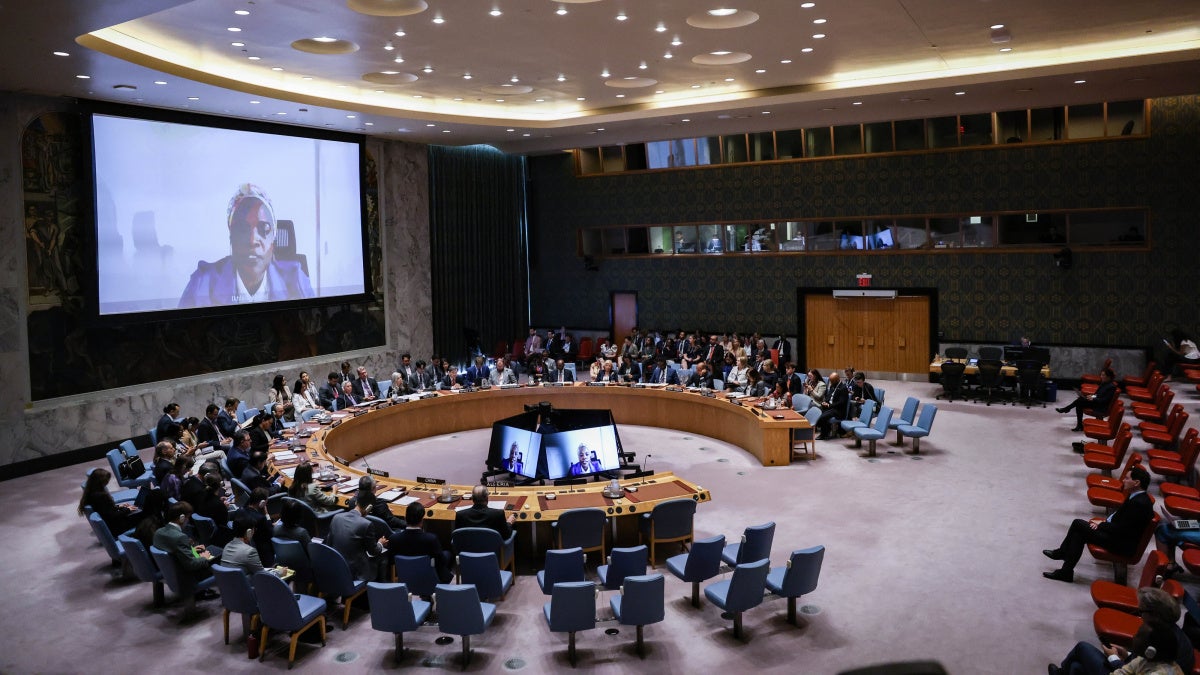
Twenty-Five Years On: Why UN Resolution 1325 – and Women’s Inclusion – Remains Crucial for Global Peace
For a quarter of a century, UN security Council Resolution 1325 has stood as a landmark commitment to women’s inclusion in peace and security efforts. Yet, despite its promise, the resolution’s full potential remains unrealized, and the hard-won gains of women peacebuilders are increasingly threatened. As a long-time observer of conflict resolution and gender equality, I want to explain why this matters – and what you can do to help.
The Promise of Resolution 1325
Adopted in 2000,Resolution 1325 recognized,for the first time,the distinct impact of conflict on women and girls. It affirmed the importance of women’s full and equal participation in all aspects of peacebuilding – from negotiation and conflict prevention to reconstruction and post-conflict governance. This wasn’t simply about fairness; it was about effectiveness.
The resolution spurred a global movement, leading to:
* National Action Plans: Over 100 countries developed plans outlining how they would implement Resolution 1325.
* Subsequent Resolutions: Further resolutions clarified what meaningful women’s participation looks like and how to address gender-specific impacts of conflict.
* Increased Awareness: A growing understanding of the vital role women play in creating lasting peace.
The Reality: Marginalization and Setbacks
Despite this progress, women continue to face meaningful barriers to participation. You’ll find they often have to fight for a seat at the table where critical decisions are made. Sadly, even the UN itself sometimes excludes women from key discussions, as seen recently with the exclusion of Afghan women from a UN meeting.
Several troubling trends are undermining Resolution 1325:
* Decreased Depiction: The number of women’s rights defenders briefing the UN Security Council has dramatically fallen.
* Travel Restrictions: US immigration policies have blocked many potential speakers from safely reaching New York for council meetings.
* Unfulfilled Commitments: Security Council members who unanimously adopted the resolution haven’t consistently upheld its principles.
These setbacks are particularly disheartening given the proven benefits of women’s inclusion.
Why Women’s Participation Matters: The Evidence
Extensive research demonstrates that women’s involvement in peace processes isn’t just the right thing to do – it’s the smart thing to do. One comprehensive study revealed that peace negotiations with women’s participation are more likely to result in agreements. Moreover, those agreements are more likely to be successfully implemented.
UN Women‘s 20-year review of Resolution 1325 reinforces this point. It “comprehensively demonstrates that the participation of women at all levels is key to the operational effectiveness, success and sustainability of peace processes and peacebuilding efforts.” In short, when women are involved, peace lasts longer.
The Path Forward: “No Women, No Peace”
As we mark the 25th anniversary of Resolution 1325, it’s crucial to remember the unofficial slogan of the women’s movement: “No women, no peace.” This isn’t a slogan; it’s a essential truth.
Here’s what needs to happen:
* Increased Funding: invest in women-led peacebuilding initiatives.
* Political Will: Governments must prioritize women’s inclusion in all peace and security efforts.
* Accountability: Hold the UN Security Council accountable for upholding its commitments.
* Protect Defenders: Ensure the safety and security of women’s rights defenders worldwide.
If you beleive in a more peaceful and just world, you have a role to play. Support organizations working to advance women’s peace and security, advocate for stronger policies, and amplify the voices of women peacebuilders. The future of peace depends on it.
Disclaimer: I have provided links to sources within the original text for informational purposes. These links are not endorsements and should be evaluated critically.
Worth a look