
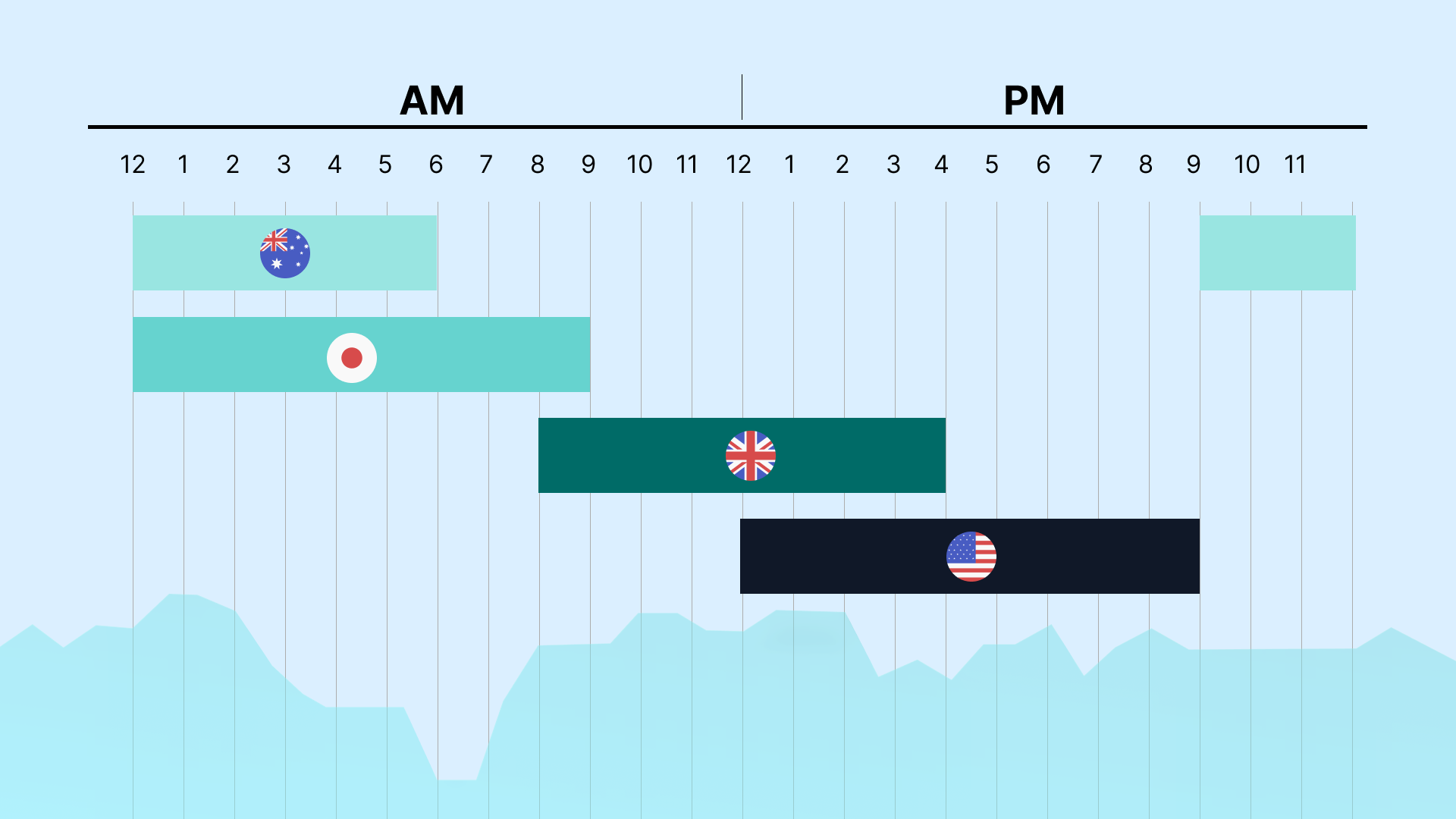
Navigating the global financial landscape requires more than just an understanding of market trends; it demands a precise grasp of the logistical framework that governs when capital moves across borders. For investors and traders, understanding the operational hours of international stock exchanges is a fundamental requirement. These hours are dictated by geographic location and local regulatory policies, which can shift due to seasonal adjustments like Daylight Saving Time.
As an international journalist, I have often observed how these temporal differences influence liquidity, and volatility. Whether you are tracking the opening bell in New York or the mid-day activity in Tokyo, recognizing the specific trading hours of global stock exchanges is essential for executing a sound investment strategy. Because these markets operate within their respective time zones, synchronizing your trading activity with the correct London Stock Exchange (LSE) trading hours or the New York Stock Exchange (NYSE) schedule is the first step toward effective portfolio management.
The Impact of Seasonal Time Shifts on Global Trading
One of the most persistent challenges for global market participants is the transition between standard time and Daylight Saving Time (DST). While the concept of shifting clocks forward or backward is familiar, its application varies significantly by country, creating complex ripples in the international trading day.
In the United Kingdom, for instance, the market typically adjusts its operational alignment relative to Greenwich Mean Time (GMT) depending on the season. During the winter months, the market operates on GMT, but during the summer, the transition to British Summer Time (BST)—which is GMT+1—necessitates a recalibration for international observers. Similar adjustments occur in the United States, where the NYSE and NASDAQ observe daylight saving changes, often leading to temporary shifts in the overlap periods between major global exchanges.
Understanding these shifts is not merely a matter of convenience; it is a matter of market access. When time zones shift, the window of time where two major markets—such as London and New York—are open simultaneously can change, directly affecting the volume of cross-border transactions and the speed at which global news is priced into equity values.
Operational Schedules of Major Global Exchanges
While local times are the primary reference for exchange officials, traders often look to a standardized time—usually GMT or UTC—to compare market activity. The following breakdown illustrates the operational diversity of the world’s most influential exchanges, emphasizing that no two markets share identical rhythms.
The New York Stock Exchange (NYSE), along with the NASDAQ, generally operates from 9:30 a.m. To 4:00 p.m. Local time (Eastern Time). These exchanges are notable for their lack of a formal lunch break, maintaining continuous trading throughout the session. In contrast, Asian markets often incorporate midday pauses. For example, the Japan Exchange Group (home to the Nikkei 225) observes a lunch break from 11:30 a.m. To 12:30 p.m. Local time, while the Shanghai Stock Exchange also utilizes a midday closure to manage trading flow.
European markets, including those operated by Euronext, typically offer a continuous trading session similar to their American counterparts, though their local operating hours are tailored to capture the peak activity of the European business day. For the London Stock Exchange, the absence of a lunch break has become a standard feature, allowing for uninterrupted price discovery from the morning open to the afternoon close.
Key Characteristics of Trading Sessions
- Continuous Trading: Markets like the NYSE and LSE do not break for lunch, providing a steady stream of data for institutional and retail traders alike.
- Midday Breaks: Exchanges such as those in Tokyo and Shanghai utilize scheduled breaks, which can occasionally lead to increased volatility or price gaps immediately following the market’s reopening.
- Overlap Periods: The hours when multiple major exchanges are open simultaneously are typically the most liquid, as investors react to global economic data in real-time.
Strategic Considerations for the International Investor
For those looking to diversify across regions, the “best” time to trade is often subjective and depends on your specific financial goals. However, most market analysts suggest focusing on the windows of greatest liquidity. When European and North American markets overlap, for example, the increased participation often results in tighter bid-ask spreads, which can be advantageous for high-volume traders.
Conversely, those trading in Asian markets should be mindful of the potential for overnight developments in Western markets to influence the morning open. As we look toward the remainder of 2026, market participants should remain vigilant regarding any regulatory updates or changes to exchange policy that could alter these established hours. Always consult the official websites of the relevant exchange—such as the LSE or NYSE—before executing trades, especially during weeks when daylight saving changes are scheduled to take effect.
The global financial system is a dynamic, interconnected network. By respecting the nuances of local time zones and exchange-specific schedules, you can better position yourself to navigate the complexities of international equity markets. As we continue to monitor global trends, I encourage you to share your experiences or questions regarding cross-border trading in the comments section below. Your insights are a vital part of our ongoing conversation about the health and direction of the world’s markets.