
Shingles, medically known as herpes zoster, is often dismissed as merely a painful skin rash. However, recent medical research has revealed a far more serious consequence: the virus that causes shingles can significantly increase the risk of stroke, particularly in the year following an outbreak. This connection has prompted growing concern among neurologists and infectious disease specialists, who now view shingles not just as a dermatological issue but as a potential trigger for cerebrovascular events.
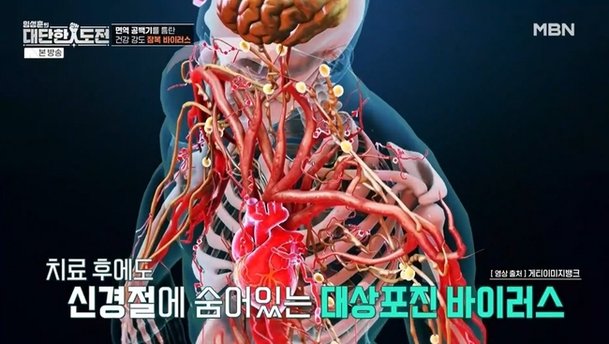
The varicella-zoster virus, which remains dormant in nerve tissue after a childhood bout of chickenpox, can reactivate decades later as shingles. When this happens, the virus doesn’t just affect the skin—it can inflame blood vessels in the brain, increasing the likelihood of blockages that lead to ischemic stroke. Studies show that individuals who develop shingles face a notably elevated stroke risk in the months that follow, with the highest danger occurring within the first year after the rash appears.
This heightened risk is especially pronounced in people with weakened immune systems, though even otherwise healthy adults over 50 are considered vulnerable. Medical experts emphasize that the inflammation triggered by the reactivated virus may damage the inner lining of arteries, promoting clot formation. While not every shingles case leads to stroke, the statistical association is strong enough to warrant preventive attention, particularly in middle-aged and older populations.
Vaccination against shingles has emerged as a key strategy in reducing this risk. The recombinant zoster vaccine, recommended for adults aged 50 and older, has demonstrated effectiveness not only in preventing shingles outbreaks but also in lowering the subsequent risk of stroke and heart-related events. Research indicates that vaccinated individuals experience up to an 18% reduction in the likelihood of stroke or myocardial infarction compared to those who remain unvaccinated.
Public health officials continue to stress the importance of awareness, especially since shingles can present with atypical symptoms—such as unexplained pain or neurological signs—before the characteristic rash appears. Early recognition and prompt antiviral treatment may help mitigate both the severity of the outbreak and its potential vascular complications. As research evolves, the link between shingles and stroke underscores the broader impact of viral infections on long-term cardiovascular and neurological health.