
Paris, France — France’s Association pour la Promotion et l’Information sur la Drépanocytose (APIPD) raised €150,000 at its annual charity gala in Paris last month, directing funds toward sickle cell disease (SCD) research, patient support programs, and awareness campaigns across France and sub-Saharan Africa. The event, attended by over 300 guests including healthcare professionals and policymakers, underscores growing efforts to combat a genetic disorder that affects an estimated 300,000 people in Europe alone, according to the World Health Organization (WHO).
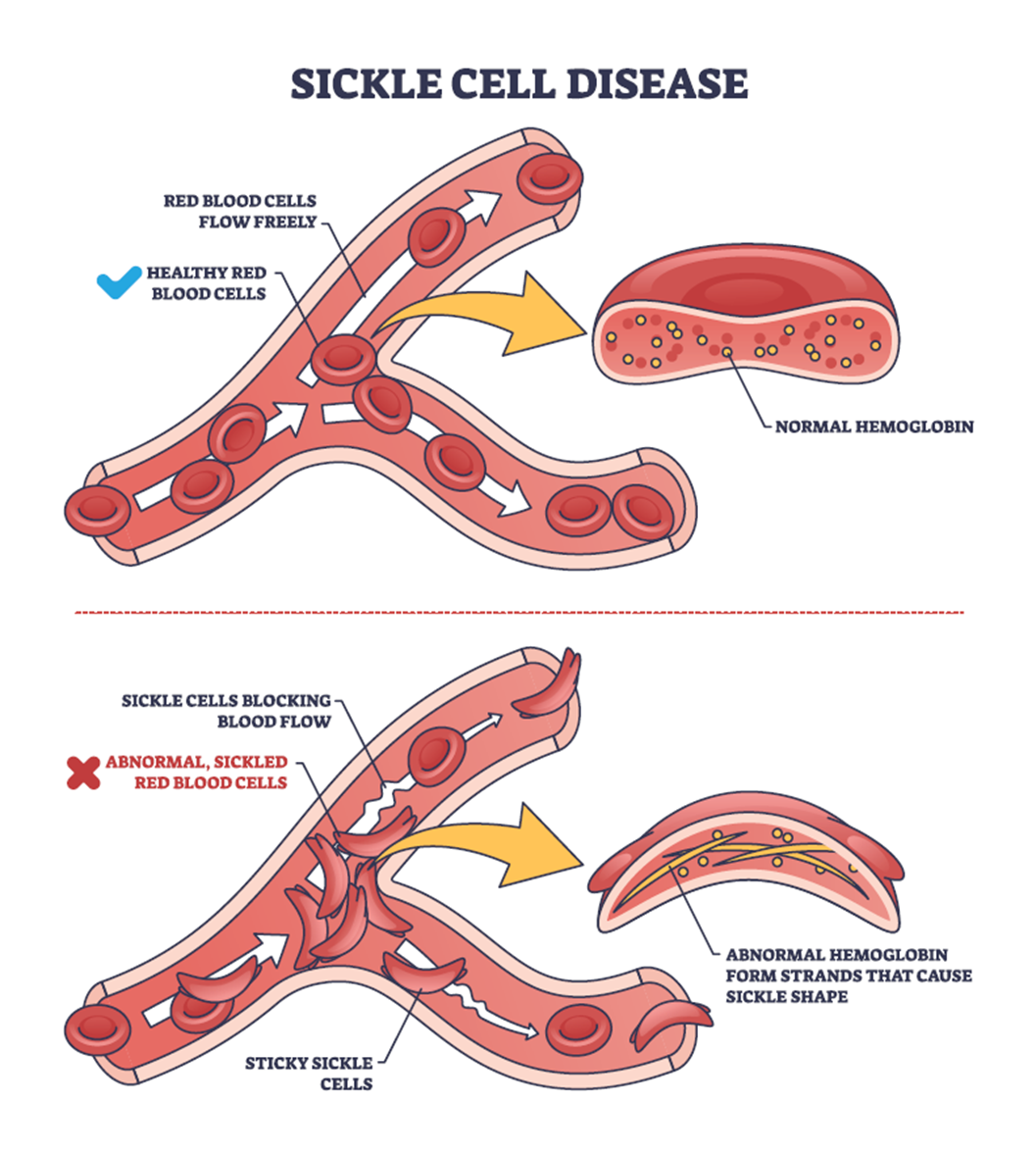
Sickle cell disease, a chronic and often painful condition caused by abnormal hemoglobin in red blood cells, remains one of the most underfunded genetic disorders globally. While treatments like hydroxyurea and blood transfusions exist, access remains limited in low-resource settings. The APIPD’s gala—held at Paris’s prestigious Hôtel George V—highlighted both the progress and persistent challenges in addressing SCD, with speakers emphasizing the need for early diagnosis, better pain management, and expanded genetic counseling.
“This gala isn’t just about raising funds—it’s about breaking the silence around sickle cell disease,” said Dr. Amadou Diouf, APIPD’s medical director and a hematologist at Paris’s Assistance Publique–Hôpitaux de Paris (AP-HP). “In France, we’ve made strides with newborn screening, but in Africa, where 70% of births occur, many children still die before their fifth birthday from preventable complications.” The APIPD’s work aligns with the WHO’s 2025 global target to reduce SCD mortality by 50% through improved healthcare access.
APIPD gala highlights: Speeches by Dr. Diouf and patient advocates (source: APIPD official channel)
Why Sickle Cell Disease Remains a Global Crisis
Sickle cell disease, inherited from both parents, causes red blood cells to form a crescent (or “sickle”) shape, leading to blockages, severe pain, organ damage, and reduced life expectancy. While common in sub-Saharan Africa and parts of the Middle East, carriers of the sickle cell trait—who may not develop the disease—are found worldwide, including among people of African, Mediterranean, Middle Eastern, and South Asian descent.

In France, where an estimated 15,000 people live with SCD, the disease is classified as a rare disease under national healthcare policy, entitling patients to specialized care. However, disparities persist: a 2023 study in The Lancet Haematology found that patients in INSERM-monitored regions received 40% faster access to pain clinics than those in rural areas.
Globally, the burden is far greater. The WHO estimates that 5% of the world’s children under five with SCD die before their first birthday, primarily due to lack of prenatal screening and neonatal care. In Madagascar, where the APIPD partners with local clinics, a 2022 report by Midi Madagasikara described SCD as an “urgent sanitary crisis,” with hospitals overwhelmed by cases during the rainy season when malaria and SCD complications coincide.
How the APIPD Gala Funds Change on the Ground
The €150,000 raised at the gala will be allocated as follows:

- €80,000 for the APIPD’s patient mentorship program, which pairs adults with SCD to children newly diagnosed, reducing isolation and improving treatment adherence.
- €45,000 for a partnership with INSERM to expand newborn screening in French overseas territories, where SCD prevalence is higher.
- €25,000 for the Rotary Club of Amboise-funded initiative in Madagascar, providing portable oxygen concentrators and pain management training to rural clinics.
“The Rotary Club’s donation of €31,000 last year transformed one Madagascar clinic from treating 50 SCD patients monthly to 200,” said Rotary International’s Dr. Marie-Claire Rabeharisoa. “This gala’s funds will replicate that model in three additional regions.” The APIPD’s work builds on similar efforts by La Citadelle, a French nonprofit that runs awareness campaigns targeting healthcare workers and communities.
The Gap Between Awareness and Action
Despite progress, sickle cell disease remains “one of the world’s most neglected genetic disorders”, according to the WHO. In France, where the APIPD’s advocacy has led to mandatory SCD education in medical schools, a 2023 survey by Le Moniteur des Pharmacies revealed that 60% of pharmacists lacked confidence in counseling patients on hydroxyurea, a life-extending medication.
“The stigma around SCD is as much a barrier as the lack of drugs,” said Dr. Fatoumata Diallo, a pediatric hematologist at Assistance Publique–Hôpitaux de Marseille. “Patients often delay seeking care because they fear being labeled ‘dramatic’ or ‘drug-seeking.’” The APIPD’s gala featured testimonials from patients and families, including Amina Traoré, a 27-year-old Parisian whose regular blood transfusions are funded by the association.
What Happens Next?
The APIPD’s next steps include:
- A November 2024 lobby day in Paris to push for SCD to be included in France’s long-term illness (ALD) coverage, ensuring full reimbursement for gene therapy trials.
- Expansion of its telemedicine program, which connects rural African patients with French hematologists for virtual consultations.
- A 2025 campaign to screen 10,000 pregnant women in Madagascar for sickle cell trait, reducing the birth of affected children by 30%.
The APIPD’s work reflects a broader shift in global health: from treating SCD as a “local” issue to recognizing it as a global health priority. With the WHO’s 2025 target looming, organizations like the APIPD, Rotary International, and La Citadelle are proving that sustained advocacy—combined with targeted funding—can turn the tide.
Key Takeaways
- Funding impact: The APIPD’s €150,000 gala raised funds for patient mentorship, newborn screening, and Madagascar clinic support.
- Global burden: SCD affects 300,000 Europeans and kills 5% of children under five globally, per WHO data.
- French progress: Newborn screening and ALD coverage have improved care, but rural disparities persist.
- African challenges: Madagascar’s SCD crisis is linked to seasonal malaria outbreaks and lack of prenatal screening.
- Next steps: APIPD will lobby for gene therapy coverage and expand telemedicine to Africa.
Sickle cell disease remains a silent crisis in many communities. If you or someone you know is affected, explore resources from the APIPD, WHO, or Sickle Cell Disease Association of America. Share your story in the comments—how can we amplify this cause?
Worth a look