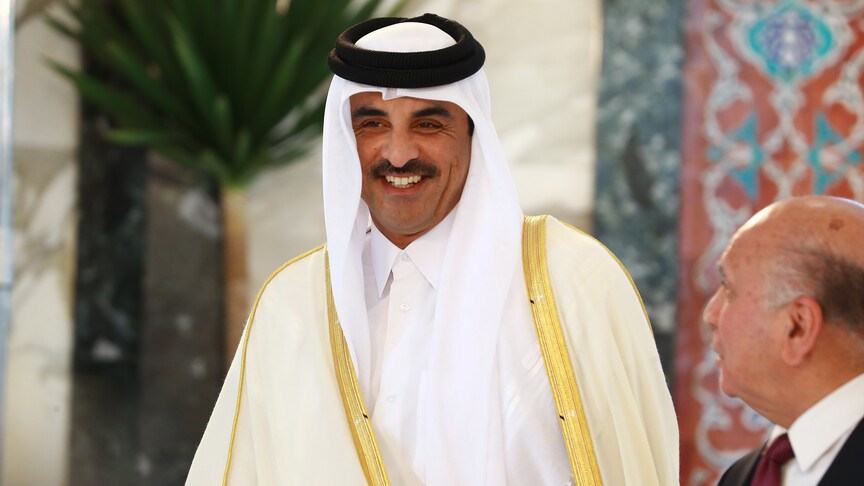
Qatar’s foreign ministry has welcomed a reported agreement between the United States and Iran to de-escalate regional tensions, calling for “constructive negotiations” as global markets react to the development. The announcement comes amid fluctuating oil prices and mixed reactions from world leaders, including French President Emmanuel Macron, who described the deal as a “positive step” toward stability in the Middle East. Here’s what we know about the agreement’s terms, its implications, and the next steps in a region still on edge.
According to multiple diplomatic sources speaking to Reuters and BBC News, the U.S. and Iran have reached a preliminary understanding to reduce military activities in the Strait of Hormuz and other flashpoints in the Gulf. Qatar, which has long served as a mediator in regional conflicts, issued a statement praised the agreement while emphasizing the need for “serious and sustained efforts to build trust and confidence.”
Oil markets have already responded: Brent crude futures fell by nearly 3% on Tuesday, reflecting investor relief over reduced risks of a wider conflict. Analysts at the International Energy Agency (IEA) noted that while the drop signals cautious optimism, prices remain volatile due to lingering uncertainties about the deal’s durability.
The agreement follows weeks of indirect negotiations facilitated by Oman and Qatar, with both sides reportedly agreeing to:
- A temporary halt to attacks on commercial shipping in the Strait of Hormuz
- Reduced military drills near disputed waters in the Persian Gulf
- Establishment of a joint mechanism to investigate and attribute incidents
Why it matters: The deal, if fully implemented, could ease tensions that have escalated since Iran’s April 2024 attack on Israeli-linked vessels in the Red Sea. However, skepticism remains high. Israeli Prime Minister Benjamin Netanyahu warned last week that any agreement must include strict limits on Iran’s nuclear program—a demand the U.S. has not explicitly linked to this latest deal. Meanwhile, Iran’s Supreme Leader Ayatollah Ali Khamenei has reiterated his opposition to direct negotiations, framing the current talks as a pragmatic pause rather than a diplomatic breakthrough.
What the U.S.-Iran Agreement Actually Says (And What It Omits)
Official details of the agreement remain scarce, but diplomatic sources have confirmed key parameters:
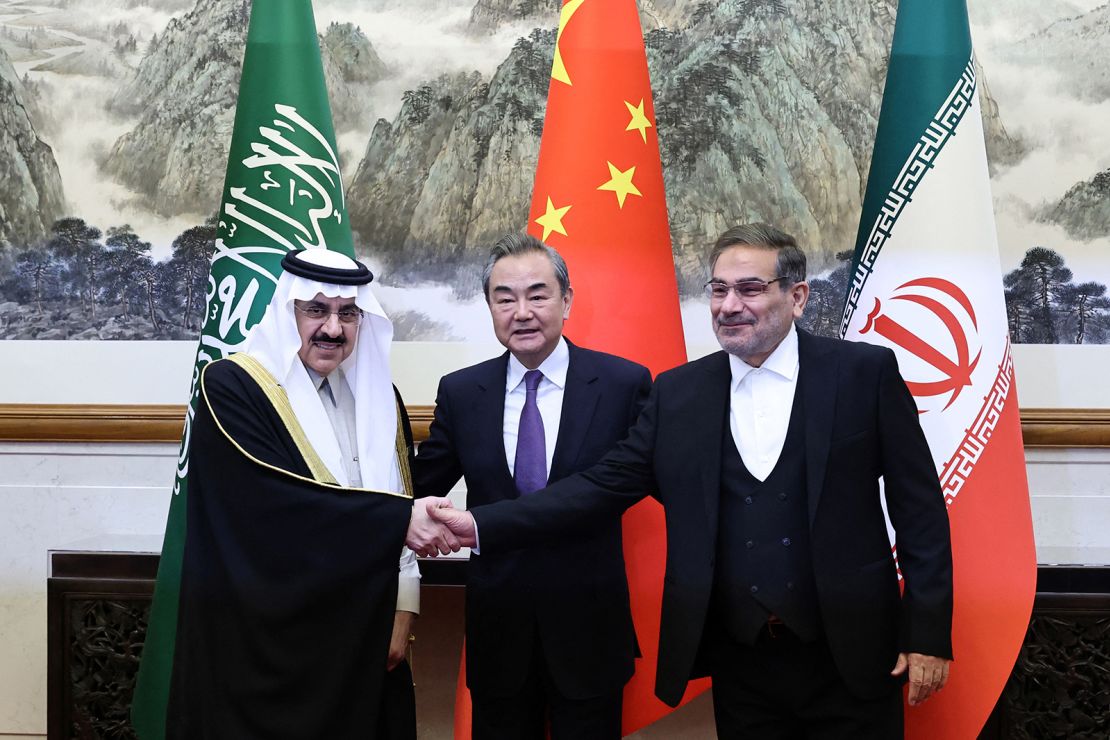
“The understanding reached is not a formal treaty but a set of confidence-building measures aimed at preventing accidental escalation.” — U.S. official, Reuters
Critically, the agreement does not address:
- Iran’s support for armed groups in Yemen, Syria, and Gaza
- U.S. sanctions relief or financial transactions
- A timeline for further negotiations
Comparison: This approach mirrors the 2018 “de-escalation” framework between the U.S. and Iran, which also focused on reducing military tensions without resolving broader disputes. That effort collapsed within months when the U.S. withdrew from the 2015 nuclear deal. Historical context suggests this new deal faces similar risks unless follow-up talks address core grievances.
Qatar’s Role: Why the Gulf State’s Endorsement Matters
Qatar’s statement—issued through its Ministry of Foreign Affairs—carries weight for three reasons:
- Diplomatic leverage: Doha has hosted indirect U.S.-Iran talks since 2021, including meetings between U.S. Secretary of State Antony Blinken and Iranian officials. Its endorsement signals broader regional buy-in.
- Economic stakes: Qatar, a major LNG exporter, stands to benefit from stable shipping lanes in the Strait of Hormuz, which carry 20% of global oil trade.
- Soft power: By framing the deal as a “constructive step,” Qatar avoids alienating either Tehran or Washington, positioning itself as a neutral facilitator.
Yet Qatar’s caution is notable. Unlike Oman, which described the talks as “productive but incomplete”, Qatar’s language was more measured, reflecting its delicate balancing act between Gulf allies and Iran.
Global Reactions: From Macron’s Praise to Attal’s ‘Vigilance’
World leaders have responded with a mix of optimism and wariness:
- France: President Emmanuel Macron called the agreement a “positive development”, urging all parties to “avoid any provocation.” His office emphasized that Paris remains committed to a “comprehensive solution” that includes Iran’s nuclear program.
- Germany: Chancellor Olaf Scholz’s spokesperson stated that Berlin “welcomes any step toward de-escalation” but stressed the need for “verifiable measures.”
- Israel: While no official statement has been issued, Israeli media report that Prime Minister Netanyahu’s office views the deal with skepticism, citing past Iranian violations of similar agreements.
- Saudi Arabia: Riyadh has not issued a public statement, but sources close to the Saudi government told Al-Monitor that it is “monitoring developments closely” and expects any deal to include guarantees for Saudi security.
What Happens Next: The Critical Checkpoints
The next 72 hours will be decisive. Key milestones include:
- Implementation phase: Both sides are expected to announce a joint statement by Friday, June 14, outlining the first concrete steps (e.g., reduced naval patrols, hotline communications). The U.S. State Department will likely hold a press briefing to clarify the agreement’s scope.
- Market reaction: Oil prices will be a barometer. If Brent crude remains below $80 per barrel, it could signal investor confidence. However, any new attacks—such as the June 11 incident where Iran claimed to foil a plot against its tankers—could reverse gains.
- Regional responses: Israel and Saudi Arabia will likely coordinate their responses. A joint statement from the U.S., Israel, and Gulf allies could signal broader support for the deal.
Longer-term, analysts at the International Crisis Group warn that without progress on Iran’s nuclear program and regional proxy conflicts, the agreement could collapse by year’s end—mirroring the fate of the 2018 de-escalation efforts.
Key Takeaways: What This Means for the Middle East and Global Markets
- Temporary relief, not a peace deal: The agreement focuses on reducing immediate risks (e.g., shipping attacks) but does not resolve underlying disputes like Iran’s nuclear ambitions or U.S. sanctions.
- Qatar’s diplomatic win: By endorsing the deal, Doha reinforces its role as a neutral mediator, but its cautious tone reflects the high stakes for Gulf stability.
- Oil markets react—but cautiously: The 3% drop in Brent crude signals relief, but prices remain volatile due to unaddressed risks like Yemen’s Houthi attacks.
- Israel’s skepticism is a wild card: Without Jerusalem’s buy-in, the deal’s longevity is questionable. Netanyahu’s office has not ruled out military responses to Iranian actions.
- Next critical window: June 14–16: The joint statement and market reactions will determine whether this is a sustainable pause or another false start.
- Historical precedent looms: The 2018 de-escalation framework lasted just 10 months before unraveling. This deal faces similar structural challenges.
How to Follow Updates: Official Sources and Advisories
For real-time developments, monitor these authoritative channels:

- U.S. State Department briefings (for official U.S. positions)
- Qatar Ministry of Foreign Affairs (for diplomatic updates)
- International Energy Agency reports (for oil market analysis)
- Reuters Middle East live updates
- BBC News – Middle East
For travelers and businesses in the region, the U.S. State Department’s travel advisories will be updated if tensions escalate. Shipping companies should consult BIMCO’s maritime security alerts for route advisories.
What’s next? The U.S. State Department will hold a press briefing on Thursday, June 13, to clarify the agreement’s terms. For the latest, bookmark this page or follow World Today Journal’s live updates.
Share your thoughts: Will this deal hold, or is it another temporary pause? Comment below or share this article to help others stay informed.
Worth a look
- Canada Border Services Agency Report Profiles Bishnoi Gang Leaders
- From a ₹100 Super Chat to an ₹8 Crore Empire: The Inspiring Story of a 25-Year-Old Entrepreneur
- Colorado PUC Challenges Xcel Energy Rate Impact Claims (archyde.com)
- Biên Hòa Market Fire Leaves Commercial Center in Ruins (archyworldys.com)