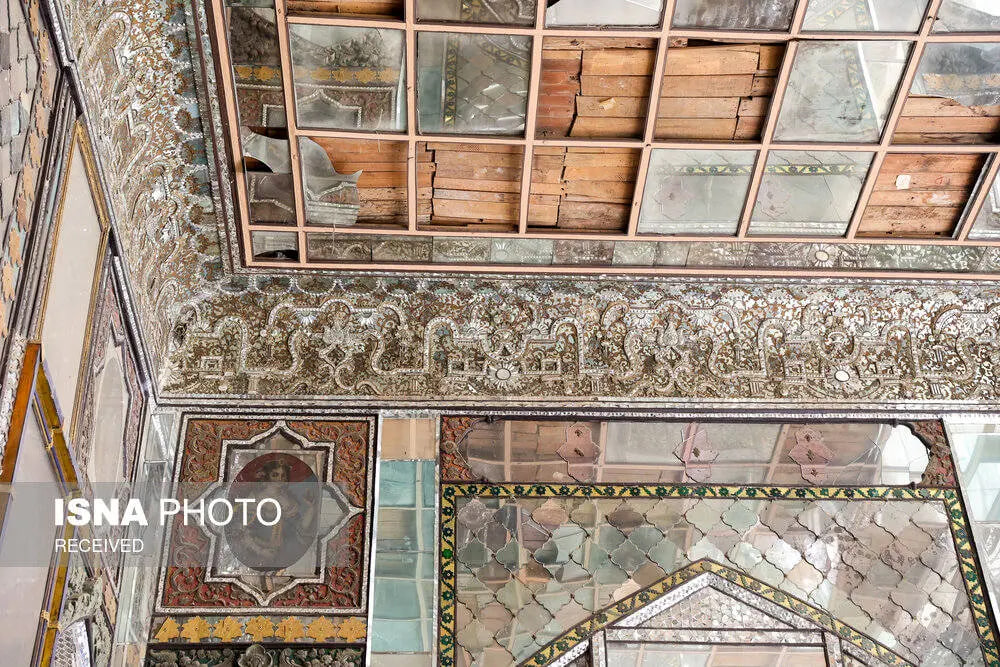
The historic Golestan Palace in Tehran, a cornerstone of Iranian architectural heritage and a designated UNESCO World Heritage Site, has sustained damage amid the ongoing conflict between Iran and the United States. Reports indicate that the site was affected by shockwaves and debris resulting from a strike in the vicinity of the palace complex.
The damage to the Golestan Palace damage occurs at a precarious time for the city’s historic core. The site, which serves as a testament to the evolution of Persian royal architecture, is now facing the physical toll of modern geopolitical volatility. UNESCO has already expressed concern regarding the impact on the site’s structural integrity and its cultural value.
According to reports from Business Insider, the palace complex was not the direct target of the strikes but suffered from the peripheral effects of the engagement. The “debris and shockwaves” from nearby explosions have left their mark on one of the capital’s oldest historic monuments, raising immediate alarms among conservationists and international heritage bodies.
A Legacy of Persian Royalty Under Threat
Located in the heart of Tehran, the Golestan Palace is far more than a royal residence. it is a living archive of Iranian history. Originally established during the Safavid dynasty, the complex was later expanded and transformed into the official royal residence of the Qajar dynasty, as detailed by the Wikipedia record of the site. The palace consists of a group of eight palatial royal structures, all enclosed within a wall that was once part of the defensive fortifications of Tehran’s citadel.
The site is recognized by the UNESCO World Heritage Centre for its exceptional cultural value, having been inscribed on the World Heritage List in 2013. Spanning an area of 5.3 hectares with a surrounding buffer zone of 26.2 hectares, the palace represents a unique blend of traditional Persian architecture and European influences that characterized the Qajar era.
Today, these structures primarily serve as museums, offering the public a glimpse into the opulent lifestyle and political power of the former monarchy. The vulnerability of these museums to shockwaves highlights the extreme risk that urban warfare poses to concentrated cultural heritage sites.
The Impact of Urban Conflict on Cultural Heritage
The incident at Golestan Palace underscores a recurring tragedy in global conflicts: the collateral damage of irreplaceable cultural landmarks. When shockwaves from heavy munitions ripple through a city, the impact on ancient masonry and delicate mirror-work—for which the Golestan Palace is famous—can be catastrophic, even if the building is not directly hit.
UNESCO’s expression of concern reflects the international community’s anxiety over the potential loss of “Outstanding Universal Value.” The palace is not merely a national treasure of Iran but a global asset that documents the artistic and political transitions of the Middle East over several centuries.
Key Historical Significance of the Site
To understand why the damage to Golestan Palace is so significant, one must look at the layers of history embedded in its walls:
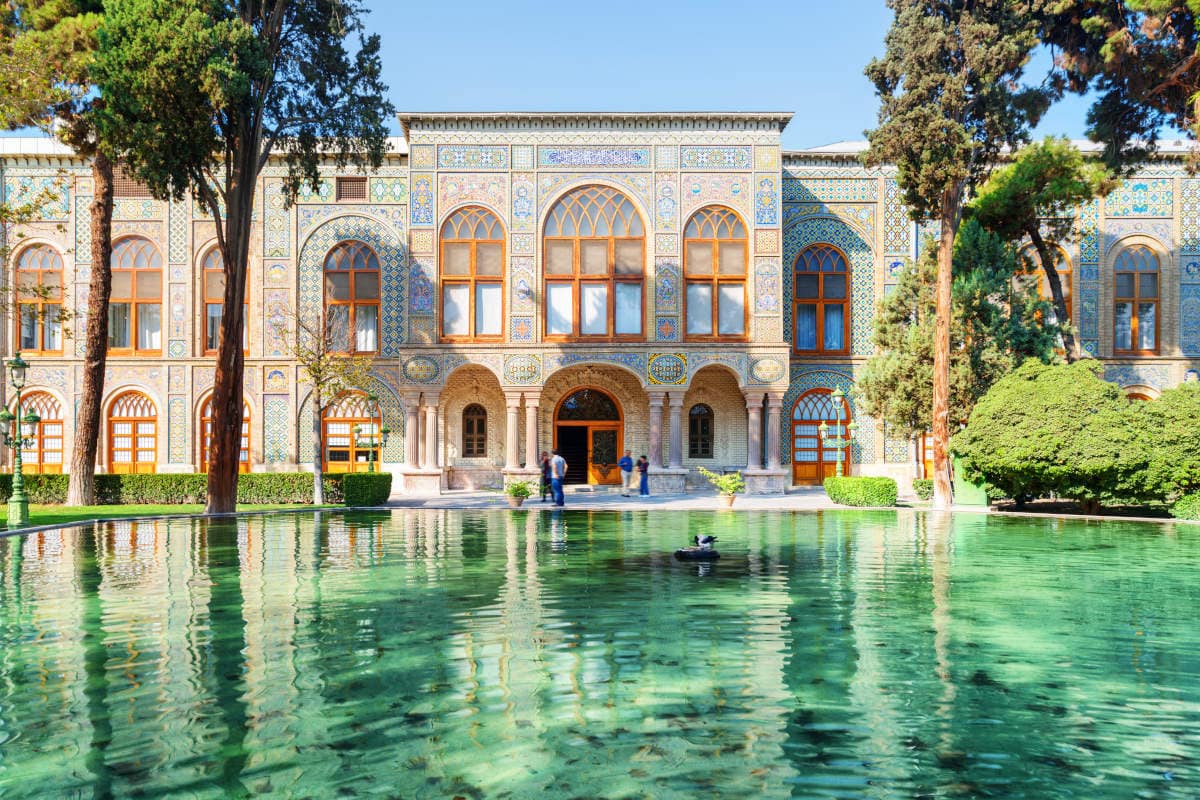
- Safavid Origins: The palace complex began as a royal garden and residence during the Safavid era, marking the early development of the city’s core.
- Qajar Expansion: Under the Qajar dynasty, the complex evolved into a sophisticated royal hub, integrating Western architectural elements with traditional Persian aesthetics.
- Museum Transition: The transition from a private royal enclave to a public museum allows the world to study the intersection of art, power and diplomacy in 19th-century Persia.
What Happens Next for the Palace?
The immediate priority for Iranian authorities and international experts will be a comprehensive damage assessment. Because the palace is a UNESCO site, any restoration efforts will likely be scrutinized to ensure they meet international conservation standards. The goal is to stabilize the damaged sections without erasing the historical authenticity of the original structures.
As the conflict between Iran and the US continues to fluctuate, the protection of cultural sites remains a critical point of international law. The Hague Convention for the Protection of Cultural Property in the Event of Armed Conflict explicitly prohibits the targeting of cultural monuments, though “collateral” damage from nearby strikes remains a persistent threat in dense urban environments like Tehran.
| Attribute | Detail |
|---|---|
| UNESCO Status | World Heritage Site (Inscribed 2013) |
| Location | Historic core of Tehran, Iran |
| Primary Eras | Safavid and Qajar Dynasties |
| Total Area | 5.3 hectares |
| Current Use | Museums and Cultural Site |
The international community now awaits further updates on the extent of the structural damage. The focus remains on whether the internal decorations—including the intricate tilework and gold-leafed ceilings—have been compromised by the vibrations and debris reported in March 2026.
The next confirmed checkpoint will be the release of a formal assessment report from Iranian cultural heritage officials and the subsequent response from UNESCO regarding technical assistance for restoration. We will continue to monitor this story as more verified information becomes available.
Do you believe international bodies have enough power to protect cultural heritage during active conflicts? Share your thoughts in the comments below.
Worth a look
- L’Iran épargné par les frappes américaines pour la 2e nuit de suite – SWI swissinfo.ch
- HOY WASHINGTON SUBIMOS A LAS 5:30pm Everett Washington – Rancho La Huerta … – Instagram
- Berlin Pride Attack: Manhunt After Van Hits Crowd, Leaving One Dead (time.news)
- Berlin Pride Attack: One Dead and 16 Injured as Police Hunt Islamist Suspect (archyde.com)