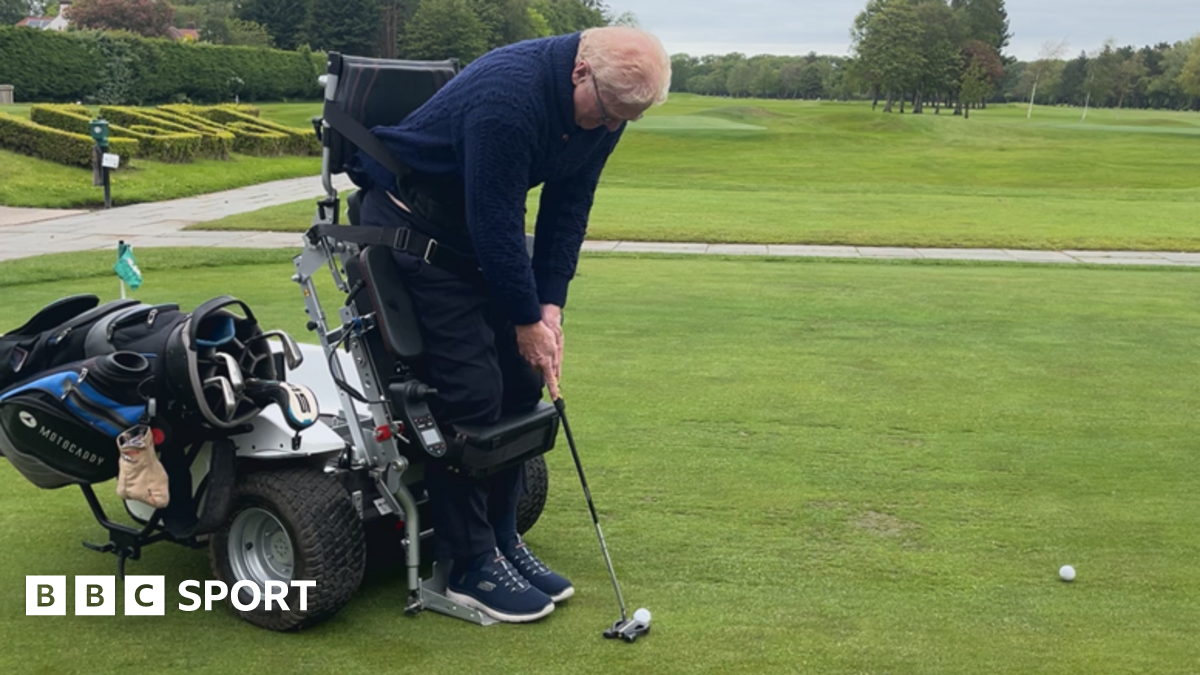
A specialized mobility device is allowing golfers with limited lower-body mobility to return to the greens at Lytham Green Drive Golf Club, marking a significant step in adaptive sports accessibility. The technology, which functions as a stand-up wheelchair, enables players to navigate golf courses and maintain a stable posture for swinging, addressing a primary barrier for individuals recovering from spinal injuries or living with degenerative conditions.
Golf clubs across the United Kingdom are increasingly integrating assistive technology to comply with the Equality Act 2010, which mandates that service providers make reasonable adjustments to ensure disabled people are not at a substantial disadvantage. According to official government guidance on the Equality Act, these modifications are essential for fostering inclusivity in public and private sporting facilities. The adoption of such equipment at local clubs like Lytham Green Drive reflects a broader national trend in the sport to broaden participation among physically disabled athletes.
How Assistive Golf Technology Works
The equipment utilized at the club is a specialized power-assisted golf cart designed to elevate the user into a vertical position. By securing the golfer in a standing frame, the device mimics the natural stance required for a golf swing, providing the necessary stability for players who cannot stand independently. These devices are typically equipped with low-pressure tires to protect the integrity of the putting green, ensuring that the course remains playable for all members.
According to England Golf’s inclusive programming resources, the primary objective of these tools is to remove the physical limitations that prevent a player from addressing the ball correctly. Unlike standard golf carts, which require the player to remain seated, the standing frame allows for a full range of motion. This design shift is vital for maintaining the technical nuances of the game while ensuring the safety of the athlete during the swing.
The Impact on Athlete Participation
For many, the return to the fairway represents more than just a return to a hobby; it is a critical component of physical and mental rehabilitation. The ability to engage in competitive or recreational golf helps athletes maintain social connections and physical activity levels that might otherwise diminish following an injury or diagnosis. Research from the Sport England health and wellbeing database highlights that inclusive sports environments significantly improve long-term outcomes for individuals living with disabilities.
At the club level, the introduction of this equipment requires a commitment to staff training and course maintenance. Club officials must ensure that the terrain is suitable for the mobility devices and that staff members are trained to assist golfers with setup and safety protocols. This operational shift is part of a growing movement supported by organizations such as the R&A, which provides frameworks for disability golf development to encourage clubs to modernize their facilities.
Expanding Access to Adaptive Sports
The success of these initiatives at local clubs often serves as a pilot for wider adoption within the golfing community. As more clubs invest in adaptive technology, the cost of equipment is expected to become more manageable through shared-use programs and grants. The UK Disabled Golf Association provides resources and support for players seeking clubs that offer these specialized facilities, helping to connect athletes with the infrastructure they need to play.

Looking ahead, the focus remains on standardizing these accommodations. While individual clubs like Lytham Green Drive are leading by example, the industry is moving toward a model where adaptive access is considered a standard offering rather than an exception. Interested players are encouraged to contact their local club’s professional staff to inquire about the availability of adaptive equipment and to schedule a trial session.
The next major update regarding national inclusive golf standards is expected during the upcoming annual conference of the Golf Club Managers’ Association, where accessibility will be a primary discussion topic. Readers are encouraged to share this information with their local clubs and join the conversation on how to improve accessibility in their own communities.
Worth a look