
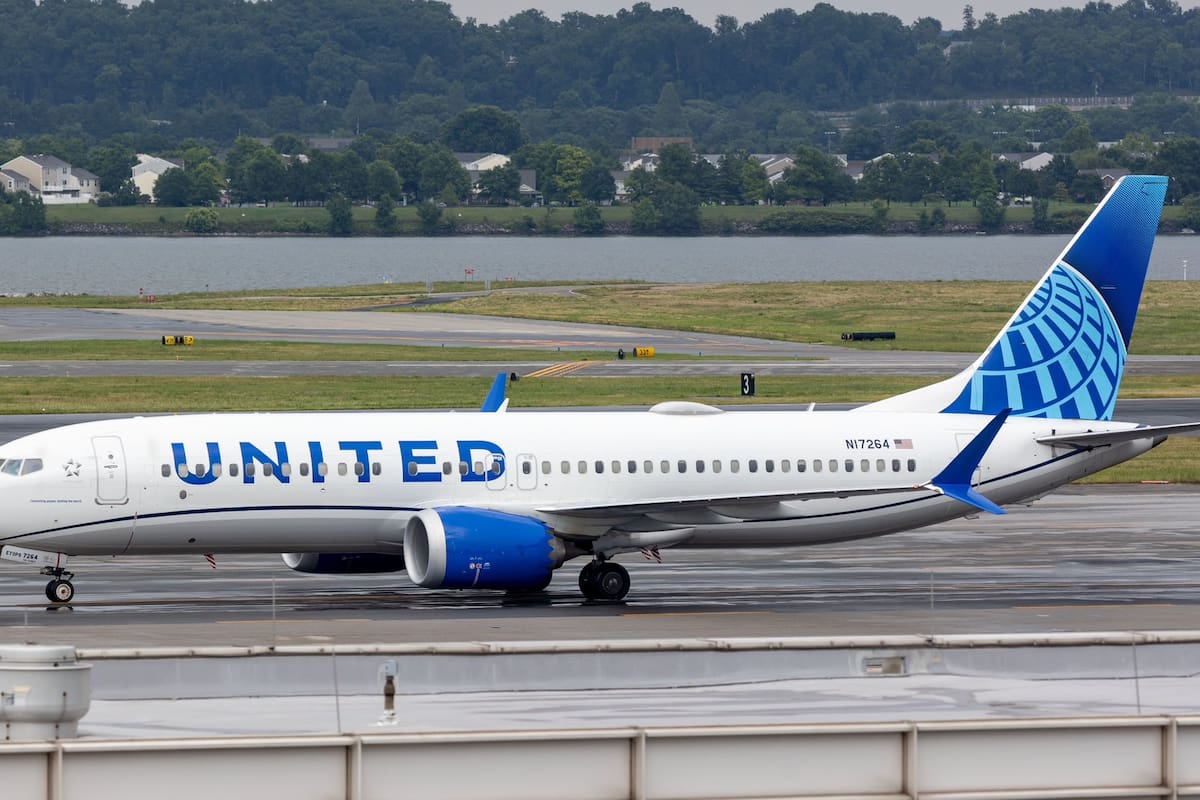
A United Airlines flight was disrupted after a passenger allegedly assaulted a flight attendant and attempted to breach the aircraft’s cockpit, sparking a security emergency that required immediate intervention from the crew and subsequent law enforcement action.
The incident highlights a growing concern within the aviation industry regarding “unruly passenger” behavior, which has seen a spike in aggressive confrontations and unauthorized attempts to access secure areas of aircraft. While the flight crew successfully prevented the passenger from entering the cockpit—a critical security boundary established after the events of September 11—the physical assault on the cabin crew member underscores the volatility of these encounters.
United Airlines and federal aviation authorities have historically treated cockpit breaches and crew assaults as severe security violations. Such actions not only jeopardize the safety of the passengers and crew but also trigger mandatory reporting and investigations by the Federal Aviation Administration (FAA), which oversees aviation safety and security in the United States.
Security Breach and Crew Assault on United Flight
According to reports of the incident, the passenger’s behavior escalated quickly, transitioning from disruptive conduct to a physical attack on a flight attendant. The situation reached a critical point when the individual attempted to force entry into the flight deck. The cockpit door, designed to remain locked and reinforced to prevent unauthorized access, served as the final barrier between the aggressor and the pilots.
The crew utilized restraint techniques to neutralize the passenger, ensuring the safety of the other travelers on board. In similar high-profile cases, such as an incident where a passenger attempted to enter the cockpit and open exit doors on a flight from Chicago to Los Angeles, the aircraft was forced to return to the gate before takeoff to allow law enforcement to remove the individual as reported by FlyLinkers News.
In this specific case, the physical assault on the flight attendant is being treated as a criminal matter. Federal law strictly prohibits the assault of crew members on aircraft, and such offenses can lead to significant fines and imprisonment under U.S. Federal statutes.
The Risks of Cockpit Intrusions
The attempt to access the cockpit is viewed by aviation experts as one of the most serious security threats possible during a flight. The “flight deck” is the nerve center of the aircraft, and any unauthorized entry can distract pilots or lead to the loss of aircraft control.

The FAA and United Airlines have previously faced intense scrutiny over cockpit security. For instance, a recent investigation was launched after video surfaced showing an unauthorized person in the pilot’s seat during a chartered flight for the Colorado Rockies, leading to the removal of two pilots from their duties according to CNN. While that incident involved a different context, it reinforces the zero-tolerance policy regarding unauthorized cockpit access.
For passengers, the impact of such events is often a mixture of panic and confusion. When a passenger becomes aggressive, the crew must balance the demand to maintain order with the necessity of ensuring that the aircraft remains flight-worthy and the pilots remain undisturbed.
Industry Trends: The Rise of the Unruly Passenger
This incident is not an isolated event but part of a broader trend of increasing disruptions in the skies. Since 2020, there has been a documented rise in passengers acting irrationally or violently toward airline staff.
- Physical Assaults: Increasing reports of crew members being struck or pushed during disputes over seating, masks, or boarding procedures.
- Security Breaches: Rare but dangerous attempts to open emergency exits or enter the cockpit.
- Mental Health Crises: A growing number of incidents where passengers appear to be experiencing psychological distress or are under the influence of substances.
Aviation regulators are currently debating whether current penalties—such as being placed on a “no-fly” list—are sufficient to deter this behavior. Many crew unions have called for stronger legal protections and more comprehensive training in de-escalation and physical restraint.
What Happens Next for the Passenger?
The individual involved in the assault and attempted cockpit breach faces a multi-pronged legal and administrative battle:

- Federal Charges: Assaulting a crew member on an aircraft is a federal crime in the U.S., potentially leading to prosecution by the Department of Justice.
- FAA Fines: The FAA can impose substantial civil penalties for violating safety regulations.
- Airline Ban: United Airlines typically implements a permanent ban for passengers who engage in violent behavior or threaten the security of the flight.
The airline has stated that the safety of its employees and customers is the top priority and that it will cooperate fully with law enforcement to ensure the perpetrator is held accountable.
Key Takeaways for Travelers
| Action | Security Implication | Likely Consequence |
|---|---|---|
| Assaulting Crew | Threat to cabin safety and order | Federal charges, arrest, and airline ban |
| Attempting Cockpit Entry | Critical breach of flight security | Immediate restraint and high-level federal investigation |
| Disruptive Behavior | Distraction for crew/pilots | Removal from flight and potential FAA fines |
As investigations continue into this specific incident, the aviation industry remains on high alert. The next confirmed step in this case will be the filing of official charges by the relevant law enforcement agency, which will detail the specific nature of the assault and the extent of the security breach.
Do you believe current airline security measures are enough to handle aggressive passengers? Share your thoughts in the comments below or share this article to start a conversation about aviation safety.