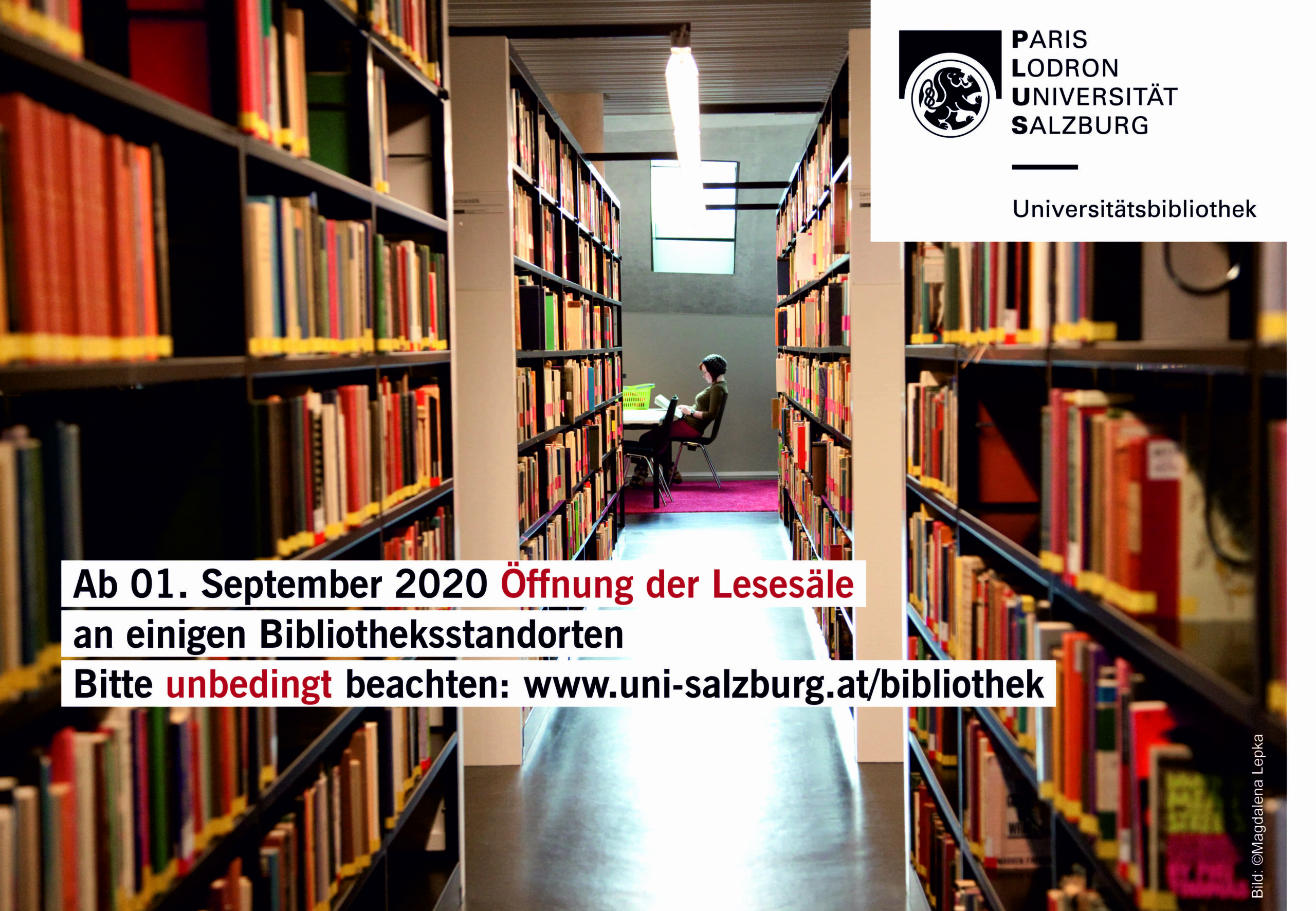
The historic streets of Salzburg’s Altstadt are known for their timeless architecture and the echoes of musical genius, but from late April through May 2026, one particular stretch of pavement will transform into an open-air gallery. The Hofstallgasse, a street steeped in ecclesiastical and imperial history, is set to host a unique cultural installation titled Fensterpfad „Rettet das Buch“ (the “Save the Book” Window Path).
Scheduled to run from April 20 to June 1, 2026, this exhibition will turn the exterior of the University Library Salzburg into a public exhibition space. By utilizing the library’s windows as frames, the installation invites passersby, tourists, and concert-goers to engage with the world of book preservation and “first aid” for historical texts without ever having to step inside the building.
This “Window Path” format is not a new experiment for the institution. The University Library has previously used this accessible method to bring academic narratives to the public, most recently with an exhibition on “Salzburg’s Forgotten Nuns” which ran from February 10 to April 7, 2026 according to the University of Salzburg. By moving the museum experience to the sidewalk, the library removes the traditional barriers of academic archives, making history available 24/7 to anyone walking through the Festspielbezirk.
A Gallery Between History and Art
The location of the Fensterpfad „Rettet das Buch“ is as significant as the content itself. The Hofstallgasse is a meticulously planned corridor of the city, stretching approximately 130 meters and connecting the Max-Reinhardt-Platz with the Herbert-von-Karajan-Platz as detailed by SalzburgerWiki. The street was originally projected by Santino Solari, the master builder for Prince-Archbishop Wolf Dietrich von Raitenau, and was designed with a specific visual axis that allows viewers to observe both the St. Peter’s Abbey Church and the Hohensalzburg Fortress.
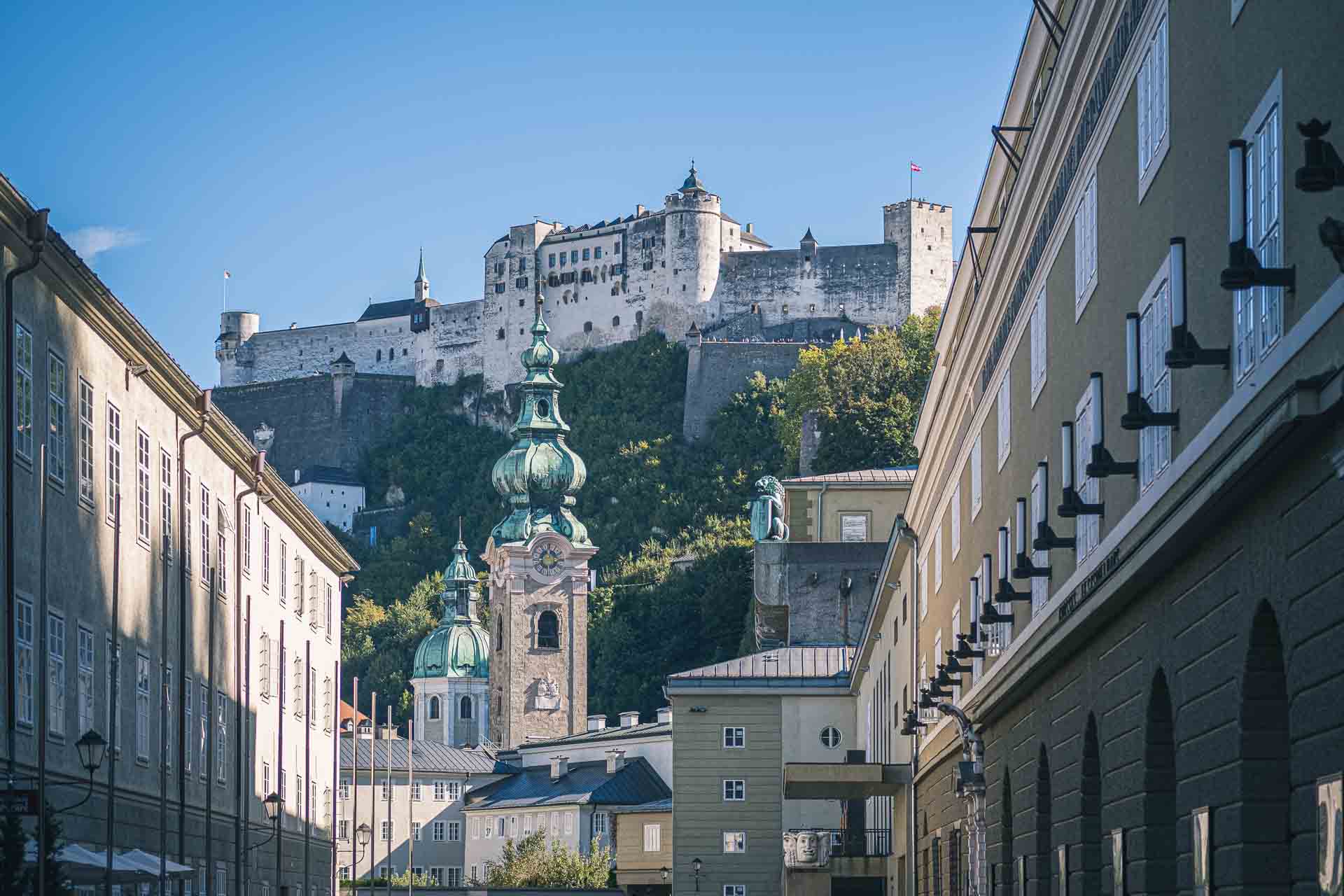
The University Library is housed within the building of the Alte Universität, a complex that similarly contains the Sacellum and the Aula Academica. Positioning the exhibition here allows the library to leverage its architectural prestige while interacting with the heavy foot traffic of the surrounding district. Directly opposite the library stands the Große Festspielhaus, one of the primary venues for the Salzburg Festival, ensuring that the “Save the Book” installation will be visible to a global audience of arts patrons during the spring season.
The Legacy of the Hofstallgasse
For those visiting the exhibition, the street itself offers a lesson in urban transformation. The name “Hofstallgasse” derives from the Hofmarstall (court stables), which were constructed in 1607 under the direction of Wolf Dietrich von Raitenau via SalzburgerWiki. Today, the site of those former stables is occupied by the Große Festspielhaus, which was partially built into the Mönchsberg mountain according to Wikipedia.
The area has evolved from a site of imperial logistics to one of global culture. In 1811, the Hofstallgasse was characterized by a lush alley of roughly 40 trees, and more recently, in 2006, the street surface was updated with a distinctive honey-colored split-mastix pavement to mark the Mozart year as noted by SalzburgerWiki. This blend of gold-toned pavement and Baroque architecture provides a sophisticated backdrop for the “Save the Book” window displays.
Why “First Aid” for Books Matters
While the specific artifacts of the upcoming April 20 exhibition are managed by the University Library Salzburg, the theme of “First Aid” (Erste Hilfe) suggests a focus on the critical work of conservation and restoration. Libraries are not merely repositories of knowledge but are active sites of preservation where specialists fight against the decay of parchment, ink, and binding.
The “Window Path” approach allows the library to highlight the fragility of these documents. By showcasing the process of “saving” a book—whether through chemical stabilization, digital archiving, or physical repair—the institution transforms a technical academic process into a visual story. This accessibility is key to fostering public support for the preservation of cultural heritage in an increasingly digital age.
Visitor Information and Accessibility
The Fensterpfad „Rettet das Buch“ is designed for maximum inclusivity. Because the exhibition is hosted in the windows of the library, it is:
- Free of charge: No tickets or admissions are required.
- Accessible 24/7: Visitors can view the installation during a midnight stroll or a brief interval between concerts at the nearby Festspielhaus.
- Integrated: The exhibition is designed to be consumed as part of a city walk, requiring no detour from the main tourist paths of the Altstadt.
Key Takeaways for Visitors
| Detail | Information |
|---|---|
| Dates | April 20 – June 1, 2026 |
| Location | Hofstallgasse, University Library Salzburg |
| Cost | Free / Public Access |
| Format | Window-based open-air exhibition |
| Nearby Landmark | Große Festspielhaus |
As Salzburg prepares for the spring season, the “Save the Book” installation serves as a reminder that the city’s treasures are not just in its music, but in the fragile pages of its archives. For those visiting the Festspielbezirk, a walk down the Hofstallgasse offers a rare opportunity to see the intersection of architectural grandeur and the meticulous science of preservation.
The next confirmed milestone for this cultural series is the opening of the installation on April 20, 2026. We encourage readers to share their thoughts on public art installations in the comments below.
Keep reading