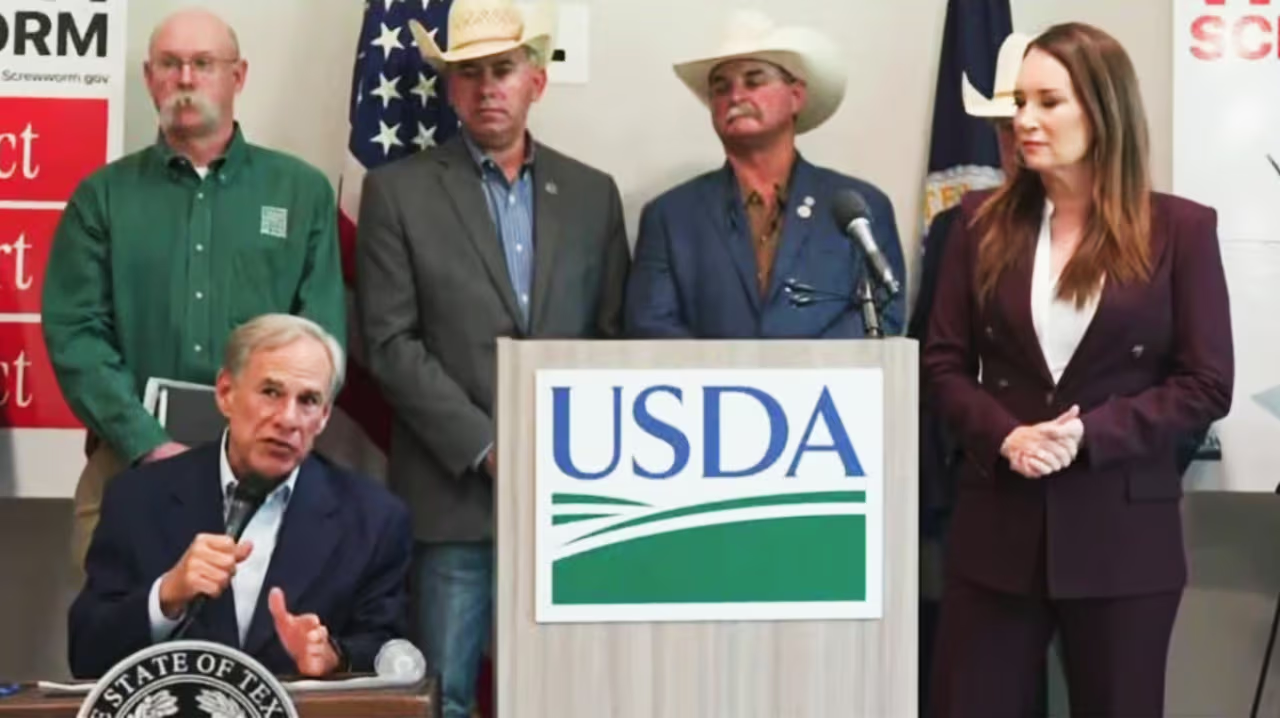
Agricultural officials in Texas have confirmed four cases of the New World screwworm, scientifically known as Cochliomyia hominivorax, prompting an immediate reinforcement of sanitary protocols across the state. The identification of these cases—a parasite notorious for its devastating impact on livestock and wildlife—has triggered enhanced surveillance measures by state and federal authorities to prevent the spread of the infestation. As of mid-2024, the Texas Animal Health Commission (TAHC) is working in close coordination with the United States Department of Agriculture (USDA) to monitor affected areas and implement containment strategies.
The Cochliomyia hominivorax, commonly referred to as the gusano barrenador in Spanish-speaking regions, is the larva of a parasitic fly that feeds on the living tissue of warm-blooded animals. While the United States was declared free of the screwworm in 1982 after decades of a highly successful sterile insect technique program, the occasional re-emergence of the pest remains a significant concern for the agricultural sector. The current situation in Texas highlights the persistent vulnerability of border regions to transboundary pests that can travel via imported animals or natural migration patterns.
Enhanced Sanitary Protocols and Surveillance
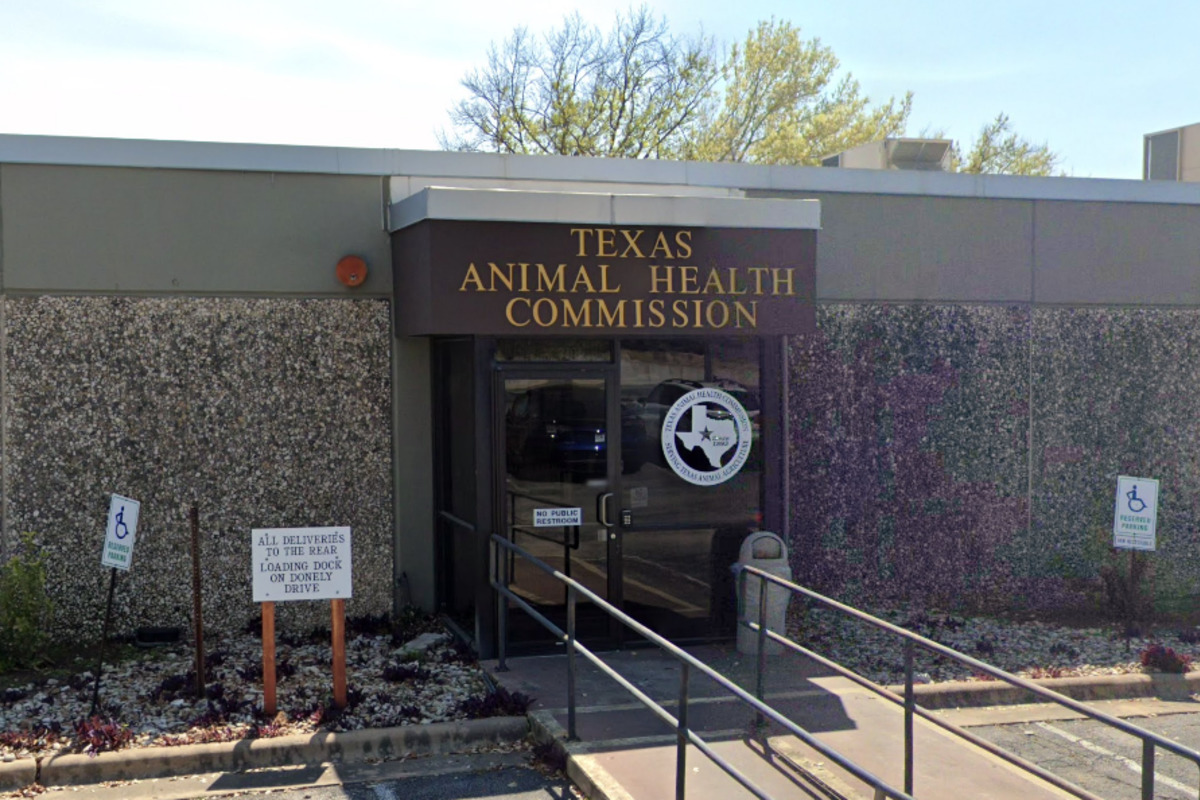
Following the detection of the four cases, the Texas Animal Health Commission has initiated rigorous screening and sanitary measures to protect the state’s multi-billion dollar livestock industry. According to the Texas Animal Health Commission official portal, protocols now include increased inspections of livestock moving into the state and targeted surveillance of wildlife in the affected zones. These measures are critical, as the screwworm can cause severe health complications, including secondary infections and, in untreated cases, the death of the host animal.
The USDA has also stepped up its involvement, providing technical expertise and resources to assist local veterinarians and ranchers. The federal agency emphasizes that early detection is the most effective tool for containment. Producers are being urged to inspect their animals daily, particularly those with open wounds or signs of skin irritation, which are primary targets for the female fly to lay her eggs. The USDA Animal and Plant Health Inspection Service (APHIS) maintains that maintaining clean, wound-free livestock is the first line of defense against potential outbreaks.
Why the Screwworm Represents a Major Biosecurity Threat
The threat posed by the screwworm is unique because of the speed at which an infestation can compromise an animal. Unlike other parasites, the larvae of the screwworm burrow deep into the flesh, creating large, painful lesions that attract further fly strikes. The economic impact of a widespread outbreak would be catastrophic, affecting not only cattle but also sheep, goats, horses, and even domestic pets. Furthermore, the pest has the potential to affect humans, though such cases are rare and typically occur in rural or impoverished settings where medical access is limited.

Historically, the eradication of the screwworm from the United States and Mexico is considered one of the greatest achievements in veterinary medicine. By releasing millions of sterile male flies into the environment, the program effectively crashed the wild population. Current efforts in Texas serve as a reminder that the eradication status is not a guarantee against future incursions. Vigilance remains essential, especially given that climate patterns and increased movement of goods across borders can facilitate the re-introduction of the parasite.
Guidance for Ranchers and Pet Owners
For those living in or near the affected regions, the most critical step is to report any suspicious wounds or unusual insect activity to state authorities immediately. The TAHC encourages producers to utilize the official contact channels to report suspected cases. Ranchers are advised to delay surgical procedures, such as branding or dehorning, during peak fly seasons if possible, as these procedures create the open wounds that attract the screwworm fly.
Key indicators that an animal may be infested include:
- Persistent, foul-smelling discharge from a wound.
- Restlessness or constant agitation in the animal.
- Visible larvae within a deep, cavernous wound.
- An animal that isolates itself from the herd or refuses to feed.
If an infestation is suspected, it is vital that specimens are collected and submitted to the appropriate diagnostic laboratories for confirmation. The use of over-the-counter insecticides may provide temporary relief, but it is not a substitute for professional veterinary care and official reporting. Cooperation between local ranchers and state officials is the most effective way to ensure that these four cases do not escalate into a broader, uncontrollable outbreak.
Monitoring the Situation
The situation remains fluid as authorities continue to process samples and monitor the surrounding environment for further activity. The next checkpoint for public information will come through official bulletins issued by the Texas Animal Health Commission, which updates its news and emergency response page regularly. As the state moves forward with its containment strategy, the emphasis remains on transparency and rapid response to ensure the protection of both the animal population and the broader agricultural economy.
Have you noticed unusual livestock health issues in your area, or do you have questions about the current sanitary guidelines? We encourage our readers to share their experiences and participate in the conversation below. Ensuring that information reaches those on the front lines is a collective effort that helps keep our agricultural systems secure.
Related reading