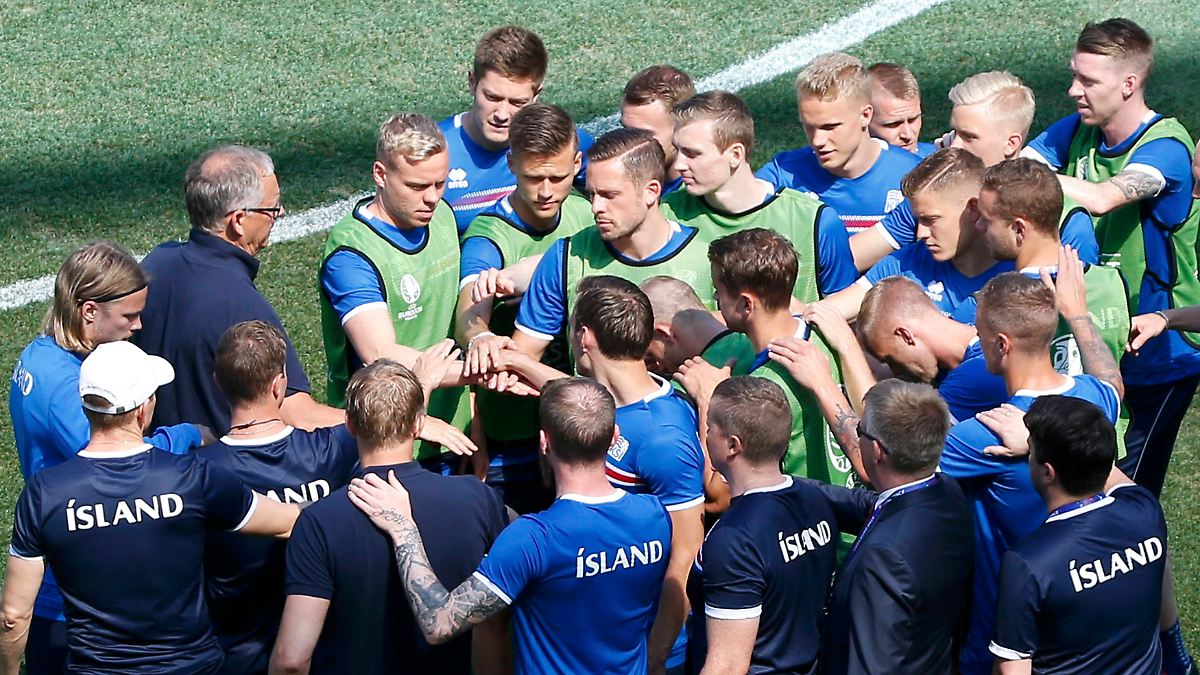
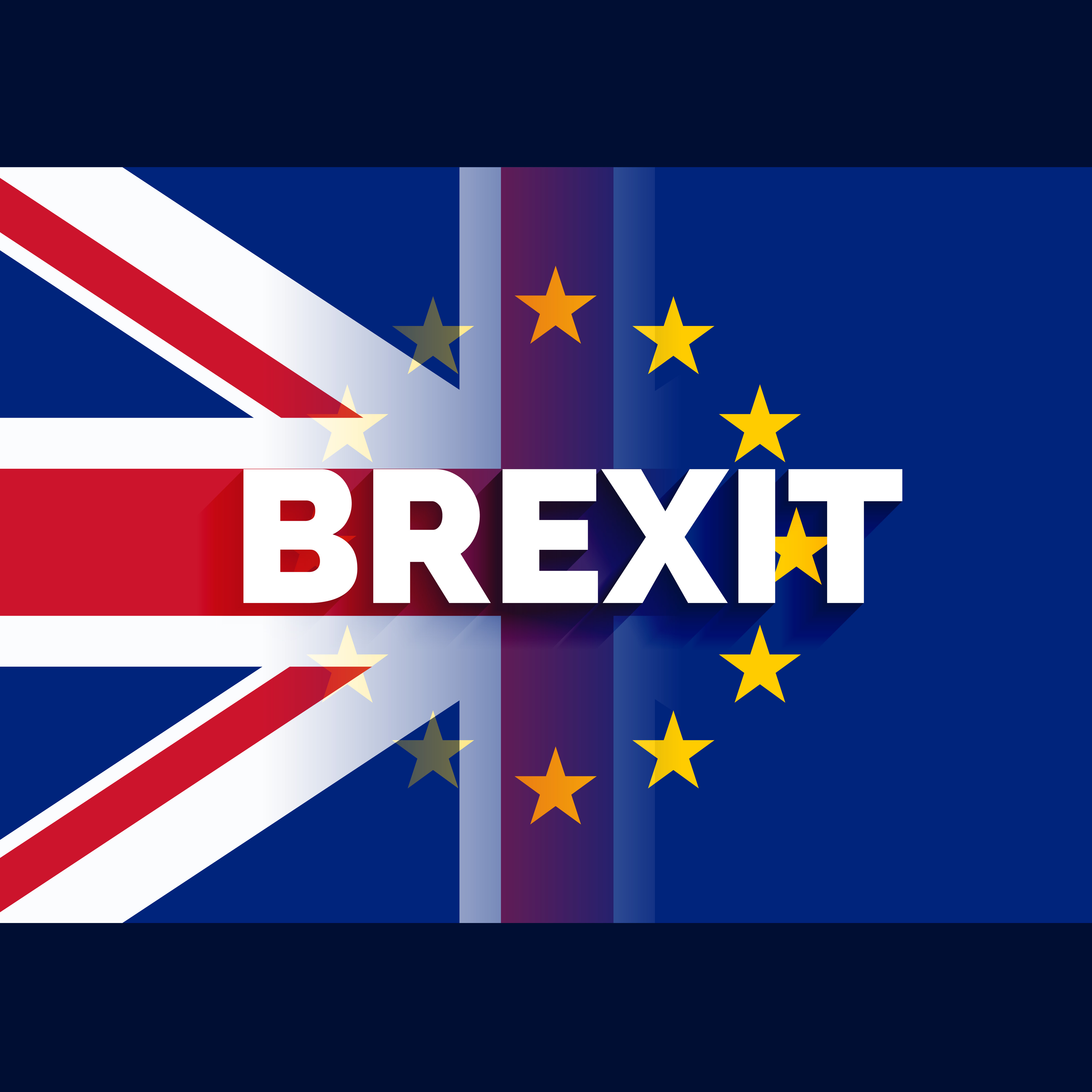
In the summer of 2016, the football world witnessed a seismic shift in the balance of power as Iceland’s national team, in its first-ever major tournament appearance, captivated a global audience. The narrative of whether the “Icelandic football miracle” could mirror the political shock of the era—the United Kingdom’s decision to leave the European Union—became a recurring theme in sports journalism during the Euro 2016 knockout stages. While the “Brexit” referendum had just concluded on June 23, 2016, with a 51.9% vote in favor of leaving the EU as reported by the BBC, the football pitch in France provided a different kind of drama.
The Euro 2016 Context: A Summer of Unprecedented Shocks
The atmosphere surrounding the 2016 UEFA European Championship was uniquely charged. As the tournament reached its Round of 16, the political landscape in Europe was dominated by the aftermath of the Brexit vote, which had occurred just days before the crucial matches in Nice. The linguistic parallel between the island nation’s political departure and a potential “footballing exit” for England—who were set to face Iceland on June 27, 2016—was inescapable for the international press. According to official UEFA match records, the encounter at the Allianz Riviera was the final fixture of the Round of 16, following Italy’s victory over Spain.
For Iceland, a nation with a population of approximately 330,000 at the time, reaching the knockout stage was already the greatest achievement in the country’s sporting history. The team, managed by the dual leadership of Lars Lagerbäck and Heimir Hallgrímsson, had remained undefeated in the group stage, drawing against Portugal and Hungary before securing a dramatic 2-1 win over Austria. This performance built a foundation of belief that they could challenge the established giants of European football, setting the stage for one of the most famous upsets in the history of the sport.
The Match: When Strategy Defied Reputation
When the whistle blew in Nice, England took an early lead through a Wayne Rooney penalty in the 4th minute. However, the lead lasted less than two minutes. Ragnar Sigurðsson equalized almost immediately, and by the 18th minute, Kolbeinn Sigþórsson scored what would become the winning goal. The match ended 2-1, eliminating England and sending Iceland into the quarter-finals. This outcome was widely regarded as one of the most embarrassing defeats for the English national team, with manager Roy Hodgson resigning immediately after the game, as documented by The Guardian.
The “Brexit” comparison, initially used by media outlets to describe the potential for an English exit from the tournament, ironically became the defining narrative of Iceland’s arrival on the world stage. While England’s political “Brexit” was a long-term process of institutional withdrawal, their “footballing Brexit” was swift, decisive, and humiliating. The tactical discipline shown by Iceland—a team that prioritized collective effort over individual stardom—stood in stark contrast to the disjointed display from the English side.
Legacy of the 2016 Breakthrough
The impact of Iceland’s 2016 campaign extended far beyond the tournament in France. It served as a testament to the effectiveness of grassroots investment and the development of indoor football facilities, which allowed the sport to be played year-round despite the harsh subarctic climate. According to figures analyzed by The New York Times, the professionalization of coaching standards in the country had been a multi-decade project, proving that success was the result of long-term planning rather than a fleeting coincidence.
Following the victory, Iceland went on to face hosts France in the quarter-finals, where they were eventually defeated 5-2. Despite the loss, the team returned home to a heroes’ welcome in Reykjavík, where an estimated 30,000 people—roughly 10% of the entire national population—gathered to celebrate the squad. This moment remains a defining chapter in the history of the European Championship, representing the ultimate triumph of the underdog in the modern era of professional football.
Frequently Asked Questions
- What was the final score of the England vs. Iceland match in 2016? Iceland defeated England 2-1 in the Round of 16 of UEFA Euro 2016.
- Who were the managers of Iceland during Euro 2016? The team was jointly managed by Lars Lagerbäck and Heimir Hallgrímsson.
- Did Iceland qualify for any major tournaments after 2016? Yes, Iceland subsequently qualified for the 2018 FIFA World Cup, becoming the smallest nation by population ever to reach a World Cup finals tournament, as confirmed by FIFA records.
As we look back at the 2016 tournament, it serves as a reminder that football, much like the political world, is rarely predictable. While the term “Brexit” dominated headlines for different reasons that summer, the true story of the tournament was the rise of a small island nation that forced the giants of Europe to rethink their approach to the game. For updates on current international competitions and further analysis of European football, readers are encouraged to follow our coverage on World Today Journal and share their thoughts in the comments section below.