Apple’s iOS ecosystem is designed for intuitive navigation, but the depth of its feature set often means that many users rely on only a fraction of the available tools. From advanced accessibility shortcuts and haptic feedback customization to hidden productivity gestures within the Files and Notes apps, the operating system contains numerous layers that remain underutilized by the average consumer. According to Apple’s official documentation, iOS 18 introduces further refinements to the user interface, including customizable home screens and enhanced control center flexibility, which continue to expand the gap between basic usage and power-user proficiency.
Understanding these hidden capabilities is not merely about novelty; it is about efficiency. Whether through the use of Back Tap—a feature that allows users to trigger specific actions by tapping the rear of the device—or the sophisticated text-replacement tools buried in the Keyboard settings, mastering these functions can significantly reduce the time spent on repetitive tasks. As noted in the Apple iPhone User Guide, these features are integrated across the operating system to support diverse workflows, yet they are rarely highlighted in standard device setups.
Optimizing Hardware and Software Interactions
The most effective way to improve daily interaction with an iPhone involves reconfiguring settings that Apple keeps disabled or hidden by default. For instance, the Back Tap feature, introduced in iOS 14, remains one of the most under-documented accessibility tools. By navigating to Settings > Accessibility > Touch > Back Tap, users can assign functions like taking a screenshot, opening the Camera, or toggling the Flashlight to a double or triple tap on the back of the phone. This bypasses the need to navigate through the Control Center or physical button combinations.

Beyond hardware shortcuts, the software interface offers significant productivity gains through multi-touch gestures. In the Notes or Files applications, a two-finger swipe down allows for the quick selection of multiple items, a faster alternative to entering “Select” mode. Furthermore, the “Search” function—accessible by swiping down from the middle of the Home Screen—is capable of performing unit conversions, mathematical calculations, and even searching for text within photos via Live Text technology. According to Apple’s support resources, Live Text uses on-device intelligence to recognize characters in images, allowing users to copy, translate, or search for information directly from their camera roll or web-based images.
Customization and the Evolving iOS Interface
The release of iOS 18 has fundamentally changed how users interact with their devices by allowing for greater home screen and control center customization. Users can now place app icons anywhere on the grid and apply tinting effects to match aesthetic preferences. These changes represent a shift toward a more modular operating system. For those who manage multiple applications, the ability to lock or hide specific apps behind Face ID provides an additional layer of privacy that was previously only achievable through third-party workarounds.
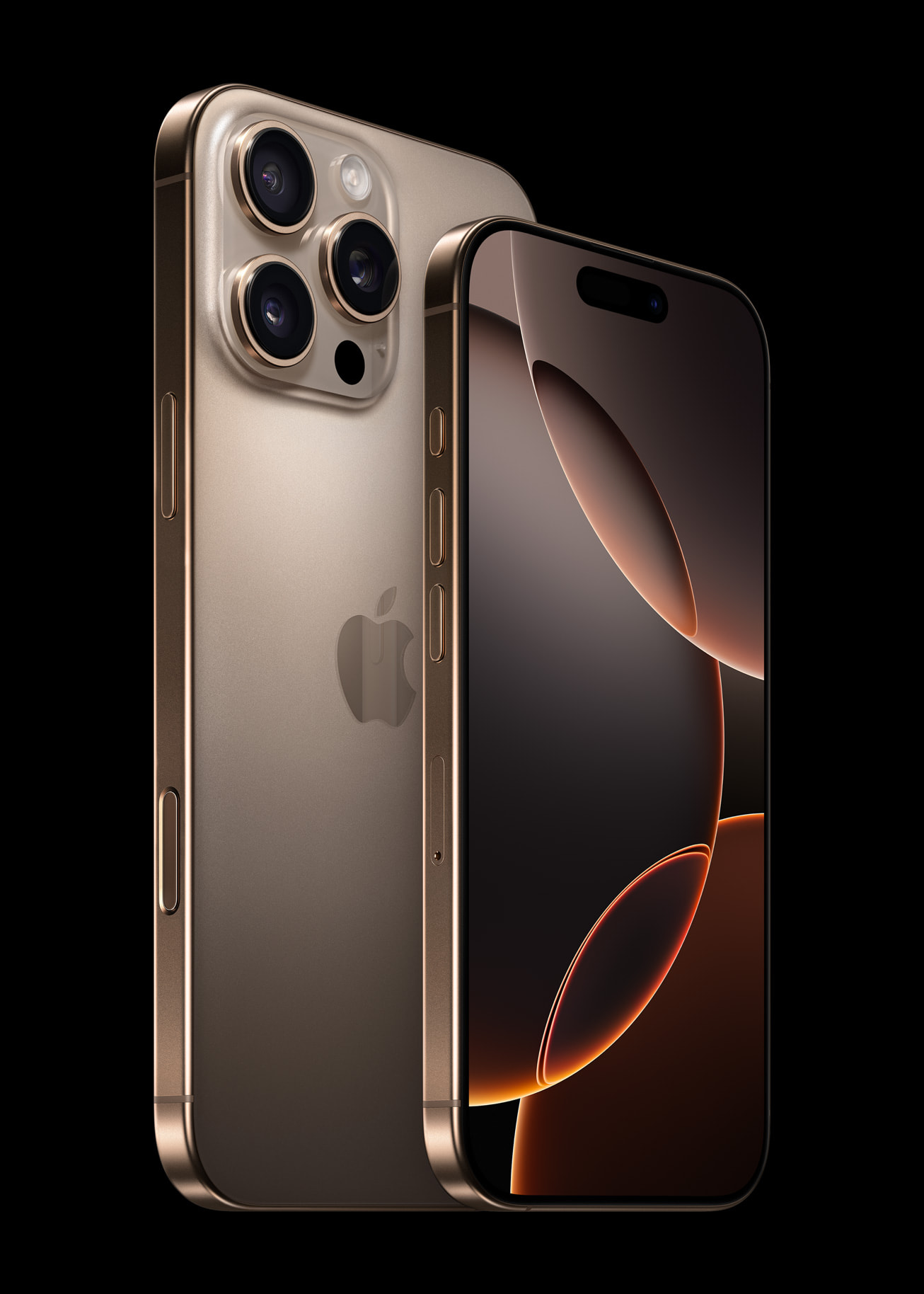
This level of control extends to the Control Center, which is now multi-page and allows for the integration of third-party app controls. As detailed by Apple’s official newsroom, the redesigned interface is intended to give users immediate access to the tools they use most frequently, rather than forcing them to navigate through a standardized menu. By curating these controls, users can effectively reduce the number of taps required to reach essential functions like HomeKit devices or Focus modes.
Enhancing User Experience Through Haptics and Accessibility
Haptic feedback is another area where many users fail to optimize their experience. By visiting Settings > Sounds & Haptics, users can adjust how their device provides physical feedback for incoming calls, messages, and system interactions. Creating custom vibration patterns for specific contacts allows users to identify callers without looking at their screen. This is particularly useful in professional environments where silent notifications are necessary but immediate identification of urgent communication is required.

Accessibility features also offer utility beyond their intended use cases. The “AssistiveTouch” menu, while designed for those with physical limitations, can serve as a virtual home button for users who prefer to avoid mechanical wear on the physical power or volume buttons. By enabling this in the Accessibility settings, users gain a persistent, on-screen menu that can be customized to house any combination of shortcuts, from screen recording to system volume control.
As Apple continues to iterate on its operating system, the complexity of the iPhone will likely increase. Staying informed on these features is best achieved by monitoring the Apple Support portal for documentation updates that accompany every major version release. Readers are encouraged to share their favorite hidden iPhone shortcuts in the comments section below to help others improve their daily device workflow.