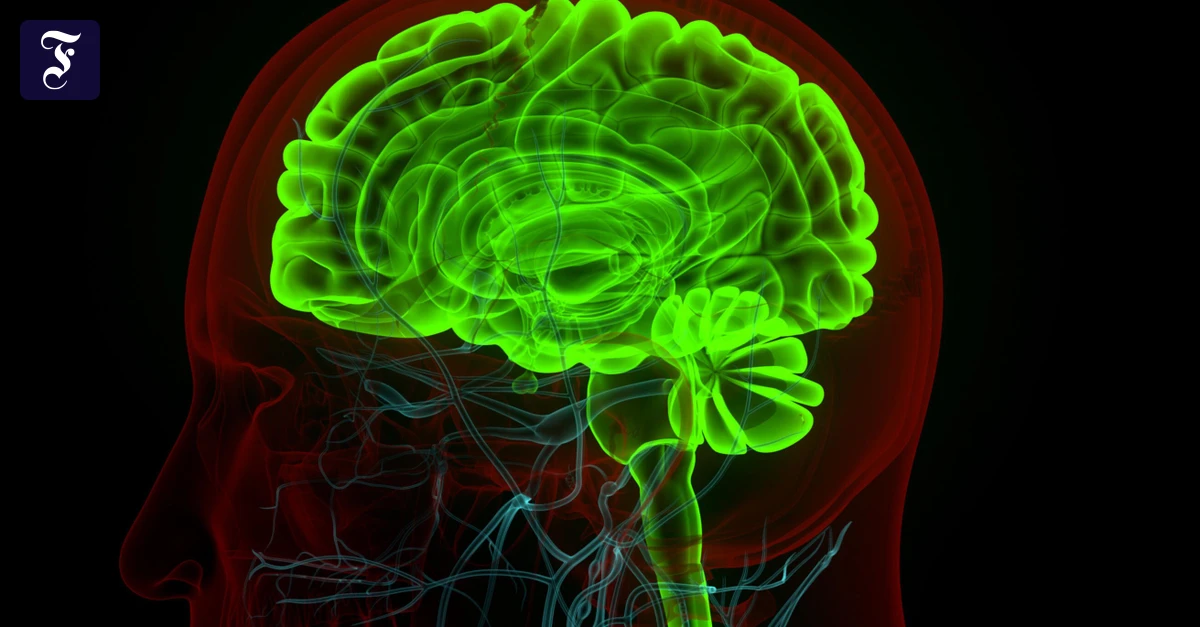
Picture Alliance
Parkinson’s Disease: A Potential Link to Cellular Recycling Issues
Parkinson’s disease, a progressive neurological disorder, may be triggered by disruptions in the body’s natural recycling system, according to recent research from scientists in Darmstadt, Germany. These findings offer potential new avenues for therapeutic intervention.
Understanding the Role of Autophagy
The key to this new understanding lies in a cellular process called autophagy. Autophagy is essentially the cell’s way of cleaning house – it breaks down and removes damaged or unneeded components. This process is crucial for maintaining cellular health and preventing the buildup of toxic proteins.
Researchers at the Technical University of Darmstadt have discovered that a protein called alpha-synuclein, which accumulates in the brains of Parkinson’s patients, interferes with the autophagy process. When autophagy is impaired, alpha-synuclein clumps together, forming Lewy bodies – a hallmark of Parkinson’s disease. The Michael J. Fox Foundation provides comprehensive facts on Lewy bodies and their role in Parkinson’s.
The Gut-Brain Connection
Interestingly, the research also highlights the connection between the gut and the brain. The buildup of alpha-synuclein doesn’t necessarily start in the brain; it can begin in the gut. From ther, it can travel to the brain via the vagus nerve, contributing to the advancement of Parkinson’s symptoms. This reinforces the growing understanding of the gut-brain axis and its influence on neurological health.
Implications for Treatment
These findings suggest that therapies aimed at boosting autophagy could possibly slow or even prevent the progression of Parkinson’s disease. Researchers are exploring various strategies to enhance autophagy, including pharmacological interventions and lifestyle modifications. The National Institute of Neurological Disorders and Stroke (NINDS) is actively funding research into parkinson’s disease treatments.
Key Takeaways
- Parkinson’s disease might potentially be linked to impaired cellular recycling (autophagy).
- Alpha-synuclein buildup interferes with autophagy, leading to the formation of Lewy bodies.
- The gut-brain connection plays a important role in the development of Parkinson’s.
- Boosting autophagy could be a potential therapeutic strategy.
While more research is needed, these discoveries offer a promising new direction in the fight against Parkinson’s disease, potentially leading to more effective treatments and improved quality of life for those affected by this debilitating condition. The ongoing investigation into the intricacies of autophagy and its relationship to Parkinson’s disease holds significant hope for the future.