
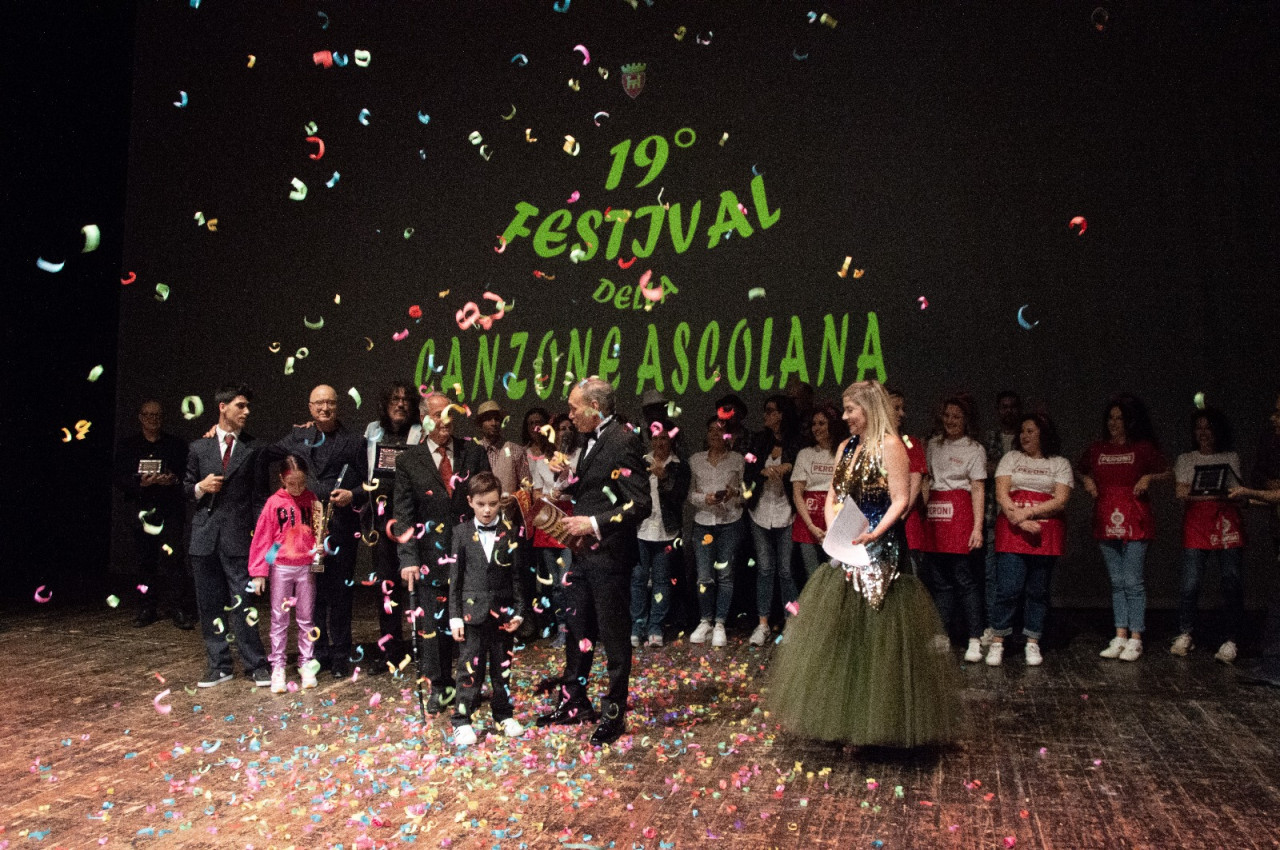
In the historic city of Ascoli Piceno, nestled in Italy’s Marche region, the 21st edition of the Festival della Canzone Ascolana has reached a pivotal milestone. Organizers announced on April 24, 2026, that eleven original songs in the local Ascolano dialect have been selected for the grand final, set to take place on May 16 at the Teatro Ventidio Basso.
The selection process, overseen by a judging committee chaired by Professor Giovanni Travaglini, was described as “decisamente rigorosa” — decisively rigorous — reflecting the festival’s longstanding commitment to preserving and celebrating the linguistic heritage of the area. Hundreds of entries were reportedly submitted, though only those meeting strict criteria tied to dialect authenticity and musical quality advanced.
This year’s finalists represent a diverse cross-section of local talent, ranging from solo performers to musical ensembles. Their compositions blend contemporary arrangements with traditional themes, offering audiences a modern yet rooted expression of Ascolano identity through song.
The Teatro Ventidio Basso, a 19th-century venue renowned for its acoustics and architectural elegance, will host the final evening. Doors open at 9:00 PM, with tickets available through the theater’s box office in Piazza Arringo and online platforms including Vivaticket and Happyticket.
Finalists and Their Songs
The eleven acts chosen for the final are:
- “Ascule mié” – Performed by Luigi De Angelis, Marco Massi, Roberto Seghetti, Giuseppe Galanti, and Umberto Ranalli
- “Mette lu Laike e nasconne la mà” – Performed by Carla and the likes
- “Me sò nnammerata de n’Asculà” – Performed by Camilla Palmisano
- “Middie e Maria a lu mare” – Performed by Pino Scarpellini
- “Ascule pé me” – Performed by Lycia Gissi
- “Ne’ ghie manca cósa all’Asculà” – Performed by Valentina Auriemma
- “Ascule ne nze po’ raccuntà” – Performed by Maurizio Bucci
- “’Na scappatèlla” – Performed by Marika Nespeca
- “Ticchete Tàcchete, Ticchete Tà” – Performed by Luigi Coccia
- “La Guerra de li strezzì” – Performed by Maria Chiara Sabbatini
- “Scì ho!” – Performed by Daniele Di Flavio
Each song is an original composition written and performed entirely in the Ascolano dialect, a Romance vernacular with deep historical roots in the southern Marche. While mutually intelligible with standard Italian to some degree, the dialect features distinct phonetic, lexical, and grammatical traits that set it apart, making its artistic preservation a point of cultural pride.
Cultural Significance and Community Impact
Now in its third decade, the Festival della Canzone Ascolana serves as more than a musical competition — it functions as a living archive of regional expression. By requiring entries to be in dialect and often encouraging themes tied to local life, history, or landscape, the event encourages intergenerational transmission of linguistic knowledge.

Organizer Gabriele Brandozzi emphasized that the festival’s strength lies in its ability to bring together amateur and semi-professional artists who might otherwise lack a platform. “It’s not about fame,” he noted in a statement to local media. “It’s about voice — giving people the chance to sing their stories in the language of their grandparents.”
Schools, cultural associations, and elderly care centers across Ascoli Piceno and surrounding towns often participate in or attend the festival, using it as an educational tool to teach younger generations about their heritage. In recent years, workshops on dialect writing and pronunciation have been held in the weeks leading up to the competition.
Looking Ahead to the Final
As the May 16 finale approaches, anticipation is building across the city. Local businesses have begun displaying promotional materials, and radio stations are airing previews of the finalist tracks. The event is expected to draw a full house at the Teatro Ventidio Basso, with additional viewing options potentially available through local media partners.
Beyond the competition, the evening will feature guest appearances by cultural figures and possibly short performances highlighting other aspects of Piceno tradition, such as folk dance or poetry readings. These supplementary elements aim to enrich the experience and underscore the festival’s role as a holistic celebration of local culture.
For those unable to attend in person, updates and highlights will likely be shared via the festival’s official social media channels and partner news outlets, including Cronache Picene, Sport Piceno, and Piceno Oggi — sources that have consistently covered the event’s progression.

As the final night draws near, one thing is clear: the Festival della Canzone Ascolana continues to thrive not as a relic of the past, but as a vibrant, evolving tradition that honors where the community comes from while making space for where it’s headed.
Mark your calendars for May 16, 2026, at 9:00 PM, when the Teatro Ventidio Basso will come alive with the sound of Ascolano voices singing their truth.
Want to share your thoughts on the festival or dialect music in general? Join the conversation in the comments below — and if you found this piece meaningful, consider sharing it with others who appreciate cultural storytelling through song.