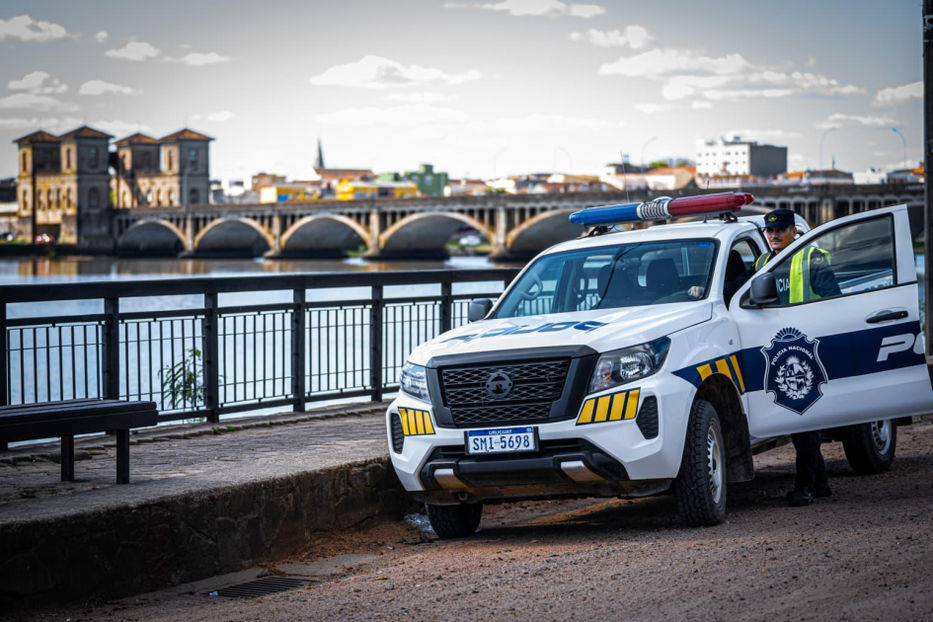
Río Branco, Uruguay – A coordinated operation between Uruguayan and Brazilian law enforcement agencies has resulted in the capture of Mario Gastón Fernández Pascal, a 37-year-old man identified as a key leader of the Primer Comando de la Frontera (PCF), a transnational criminal organization involved in drug trafficking. The arrest, which took place in the city of Río Branco, Cerro Largo, represents a significant blow to the group’s operations in the border region between Uruguay, Brazil, and Argentina.
The joint operation, confirmed by Uruguay’s Ministry of the Interior on March 18, 2026, underscores the growing regional cooperation in combating cross-border crime. Fernández Pascal, described as “of high value in the fight against drug trafficking,” had been sought by Uruguayan authorities in connection with multiple drug trafficking investigations. The PCF has become increasingly prominent in the region, exploiting the porous borders and logistical challenges to move illicit substances. This arrest highlights the commitment of both Uruguay and Brazil to disrupt these criminal networks.
PCF’s Operations and Fernández Pascal’s Alleged Role
The Primer Comando de la Frontera, or First Command of the Border, is a criminal organization specializing in the trafficking of drugs, primarily from neighboring countries into Uruguay. The group operates particularly in the Chuy region and the Triple Frontier area – a tri-border area along the junction of Argentina, Brazil, and Paraguay – known for its complex criminal activity. The PCF’s activities extend beyond drug trafficking, reportedly including money laundering and other illicit enterprises.
Fernández Pascal’s alleged leadership role within the PCF centers around the logistical coordination of drug shipments. He was specifically wanted by the Maldonado Anti-Drug Brigade in connection with “Operation Santa,” an investigation into the seizure of 50 kilograms of pasta base, a precursor chemical used in the production of cocaine. According to reports from Subrayado, he is also under investigation for his potential involvement in “Operation Trieno,” conducted in April 2025, which resulted in the discovery of 130 kilograms of drugs concealed within a truck.
Details of the Arrest and Seized Evidence
The arrest of Fernández Pascal unfolded during a raid on a residence in the Batalla Silva neighborhood of Río Branco. Uruguayan police, working in coordination with the Brazilian Federal Police, executed the search warrant based on intelligence gathered over an extended period. Alongside Fernández Pascal, a 31-year-old woman was also detained.
During the operation, authorities seized a Brazilian-registered pickup truck and a significant amount of cash: 74,980 Uruguayan pesos and 466 US dollars. El Observador reports that the successful operation is a testament to the effectiveness of intelligence sharing and collaborative policing between the two countries. The seized funds and vehicle are currently being held as evidence and will be subject to further investigation.
Cooperation Between Uruguay and Brazil
The successful capture of Fernández Pascal is a direct result of the strengthened cooperation between Uruguayan and Brazilian law enforcement. The operation involved units from Uruguay’s Area of Investigations II, the Brazilian Federal Police, and the Directorate General for the Repression of Illicit Drug Trafficking (DGRTID). This collaborative effort demonstrates a shared commitment to dismantling transnational criminal organizations operating in the region.
The Ministry of the Interior emphasized the importance of this cooperation, stating that it “reflects the relevance of the collaboration between the interior headquarters, the specialized directorates of Montevideo, and the security forces of Brazil, which made it possible to dismantle a key actor in the logistics of drug trafficking in the border area.” This level of coordination is crucial given the challenges posed by the region’s geography and the fluidity of cross-border criminal activity.
The Broader Context of Drug Trafficking in the Region
Uruguay has become an increasingly important transit country for drug trafficking, particularly cocaine originating from neighboring countries like Bolivia and Paraguay. The country’s strategic location and relatively stable political environment make it an attractive route for criminal organizations seeking to transport drugs to Europe and other international markets. The PCF’s emergence as a significant player in this illicit trade has raised concerns among law enforcement officials.
The Triple Frontier region, in particular, remains a focal point for drug trafficking and other criminal activities. The complex border dynamics, coupled with socio-economic vulnerabilities, create an environment conducive to organized crime. Efforts to combat drug trafficking in the region require a multi-faceted approach, including enhanced border security, intelligence sharing, and international cooperation.
The arrest of Mario Gastón Fernández Pascal represents a significant step forward in disrupting the PCF’s operations, but it is unlikely to be the end of the organization’s activities. Law enforcement agencies are expected to continue their efforts to identify and dismantle other key figures within the PCF and to disrupt its logistical networks. The ongoing investigation will likely focus on tracing the flow of funds and identifying other individuals involved in the organization’s criminal enterprises.
Authorities have not yet announced any further arrests or specific details regarding the ongoing investigation. Though, the Ministry of the Interior has indicated that they will continue to work closely with Brazilian authorities to address the threat posed by the PCF and other transnational criminal organizations. The next step in the legal process will involve formal charges against Fernández Pascal and the woman detained alongside him, followed by a judicial hearing to determine their fate.
This case underscores the persistent challenges of combating drug trafficking in South America and the critical importance of international collaboration. As long as demand for illicit drugs remains high, criminal organizations will continue to seek new routes and methods to transport their products, requiring sustained and coordinated efforts from law enforcement agencies across the region.
Key Takeaways:
- Mario Gastón Fernández Pascal, a suspected leader of the Primer Comando de la Frontera (PCF), was arrested in Río Branco, Uruguay, on March 18, 2026.
- The arrest was the result of a joint operation between Uruguayan and Brazilian law enforcement agencies.
- Fernández Pascal is wanted in connection with two major drug trafficking investigations, “Operation Santa” and “Operation Trieno.”
- The PCF is a transnational criminal organization operating in the border region between Uruguay, Brazil, and Argentina.
- The arrest highlights the growing regional cooperation in combating cross-border crime.
The investigation remains ongoing, and further updates will be provided as they become available. We encourage readers to share their thoughts and perspectives on this important issue in the comments section below.
Worth a look