Global defense markets are under unprecedented strain as the United States accelerates arms sales to counter regional threats, with a $17 billion missile deal to Gulf nations spotlighting deeper challenges in stockpile replenishment. The transactions—announced this week—reflect both a strategic pivot and a stark reality: years of underinvestment in military production have left critical air defense systems dangerously depleted, forcing Washington to balance urgent battlefield needs with long-term industrial capacity. While the Pentagon insists stockpiles remain “sufficient,” internal reviews and defense contractors warn that replenishing depleted munitions could take decades at current production rates.
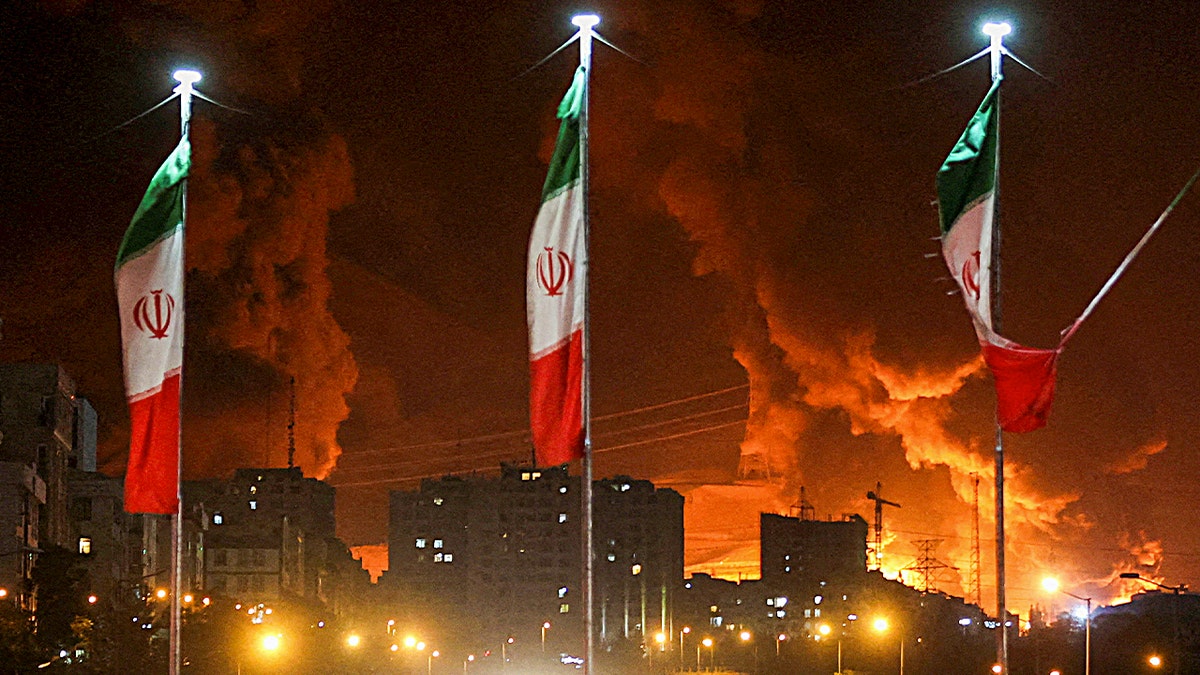
At the heart of the crisis lies the Iran conflict, which has accelerated the depletion of high-end munitions like Tomahawk cruise missiles and THAAD interceptors. According to procurement data analyzed by the Pentagon, the gap between demand and supply is widening, with some officials privately questioning whether official assessments fully account for the scale of battlefield consumption. The $17 billion arms package—directed primarily to Saudi Arabia, the United Arab Emirates, and Qatar—includes advanced missile defense systems designed to counter drone and ballistic threats, but also underscores the U.S. Military’s reliance on foreign sales to offset domestic shortages.
Defense analysts describe the situation as a “supply chain paradox”: while the U.S. Remains the world’s largest arms exporter, its own stockpiles are being drawn down faster than production lines can replenish them. Major contractors have committed to scaling up output, but senior military leaders, including Indo-Pacific Command’s Admiral Samuel Paparo, have cautioned that meaningful increases will take one to two years—a timeline that may not align with evolving conflict dynamics. Meanwhile, Vice President JD Vance has raised concerns in closed-door discussions about whether the Pentagon’s public assurances on stockpile levels accurately reflect the true extent of depletion, particularly in light of recent combat operations.
The financial implications of the missile sales are equally significant. The $17 billion figure—reported by multiple sources—represents one of the largest single defense contracts in recent memory, with proceeds expected to fund both immediate deployments and long-term modernization. However, the deal also highlights a broader strategic dilemma: as the U.S. Seeks to maintain its technological edge, it must navigate the geopolitical sensitivities of arms transfers to the Gulf region, where tensions with Iran remain volatile.
Why the Stockpile Crisis Matters
The depletion of U.S. Missile stockpiles is not merely a logistical issue—it has profound implications for global security and economic stability. Air defense systems, in particular, serve as the backbone of modern military deterrence, and their scarcity could embolden adversaries to test existing defenses. The Pentagon’s 2026 Defense Posture Review explicitly identifies munitions production as a critical vulnerability, noting that “the pace of consumption in recent conflicts exceeds historical replenishment rates by a factor of three.”
For Gulf nations, the acquisition of these systems is a direct response to perceived threats from Iran, which has escalated drone and missile strikes against regional targets in recent months. The UAE, for instance, has already deployed U.S.-supplied Patriot missiles to counter Iranian-backed proxy forces, while Saudi Arabia has faced repeated attacks on its oil infrastructure. The new sales package includes THAAD interceptors, which are designed to neutralize ballistic missiles, as well as advanced radar and command-and-control technologies.
Yet the urgency of these transfers comes with risks. Defense experts warn that over-reliance on foreign sales could divert resources from domestic stockpiles, exacerbating the very shortages the deals are meant to address. “This is a classic case of robbing Peter to pay Paul,” said Dr. Emily Carter, a senior fellow at the Brookings Institution, in a recent interview. “The U.S. Is selling weapons to allies while its own forces struggle to replenish what they’ve used in combat. The question is whether this is sustainable in the long term.”
The Production Bottleneck: Can Industry Keep Up?
The core challenge lies in the time it takes to ramp up production. According to internal Pentagon briefings, the average lead time for high-end missiles ranges from 18 to 36 months, depending on the model. This lag is compounded by supply chain constraints, including shortages of critical components like electronics and propulsion systems. Major contractors such as Lockheed Martin and Raytheon Technologies have announced plans to expand production lines, but scaling up requires significant investment in machinery, workforce training, and raw materials.
Admiral Paparo’s testimony before Congress in April underscored the urgency: “We are in a race against time,” he stated. “The industrial base is responding, but the clock is ticking. If we don’t act now, we risk finding ourselves in a position where we cannot meet the demands of both our own forces and our allies.” The admiral’s remarks came amid growing bipartisan pressure to accelerate defense spending, with lawmakers from both parties calling for a $100 billion supplemental budget to address munitions shortages.
Critics argue that the current approach—prioritizing sales over domestic stockpiles—is a short-term fix that could deepen long-term vulnerabilities. “The U.S. Cannot afford to treat munitions like a consumable commodity,” said Senator Elizabeth Warren (D-MA) in a floor speech earlier this week. “We need a comprehensive strategy that ensures our own forces are never left in the lurch while also supporting our allies. That means investing in production capacity, not just writing checks.”
Global Ramifications: Who Benefits and Who Bears the Cost?
The $17 billion missile deal is part of a broader trend in which the U.S. Is leveraging its defense industrial base to shore up alliances in a multipolar world. For Gulf nations, the acquisitions provide a critical layer of protection against Iranian aggression, but they also come with geopolitical strings attached. The UAE and Saudi Arabia, in particular, have faced scrutiny over their human rights records, raising ethical questions about the terms of these sales. The Biden administration has maintained that the transfers are necessary for regional stability, but critics argue that the U.S. Should tie arms exports to stricter conditions.
Economically, the sales benefit American defense contractors, who stand to gain billions in contracts. Companies like Northrop Grumman and Boeing Defense are expected to see increased orders, but the broader impact on the U.S. Economy is mixed. While the deals create jobs in manufacturing hubs like Alabama and Utah, they also divert resources from other defense priorities, such as cybersecurity and next-generation hypersonic weapons.
For emerging markets, the deal sends a clear signal: the U.S. Remains a dominant player in the global arms trade, even as it grapples with internal shortages. Nations like India, Japan, and South Korea—all of which have expressed interest in similar systems—may see their own defense strategies influenced by the Gulf transactions. Meanwhile, Russia and China, which have long sought to challenge U.S. Dominance in missile technology, may view the sales as an opportunity to accelerate their own production capabilities.
What Happens Next: Key Checkpoints and Uncertainties
The immediate focus will be on the implementation of the $17 billion deal, with deliveries expected to begin within the next 12 to 18 months. However, the longer-term trajectory depends on several critical factors:
- Congressional Approval: The supplemental budget request for munitions replenishment is currently under review by the House and Senate Armed Services Committees. A vote is expected by June 15, 2026, with lawmakers divided over the size and allocation of the funding.
- Industrial Scaling: Defense contractors must meet their production targets, with Lockheed Martin and Raytheon aiming to increase output by 25% within the next fiscal year. Delays in supply chains or labor shortages could further extend lead times.
- Diplomatic Fallout: Iran has not yet responded to the missile sales, but regional tensions are likely to escalate as deliveries begin. Analysts predict increased drone and missile activity in the Strait of Hormuz as a retaliatory measure.
- Stockpile Transparency: Vice President Vance has indicated that the administration may release a more detailed assessment of munitions depletion in the coming weeks, potentially ahead of the annual Iran Strategy Review, scheduled for July 2026.
The next major checkpoint will be the 2026 Defense Industrial Conference, taking place in Washington, D.C., on July 10–12. This event will bring together defense officials, contractors, and lawmakers to discuss production bottlenecks and potential solutions. Meanwhile, the Pentagon has confirmed that a Munitions Production Task Force will release its first recommendations by August 1, 2026.
Key Takeaways
- The U.S. Has approved a $17 billion missile sale to Gulf nations, reflecting both strategic alliances and domestic stockpile shortages tied to the Iran conflict.
- Production delays mean replenishing depleted munitions could take decades at current rates, raising concerns about long-term readiness.
- Vice President JD Vance has raised internal questions about the accuracy of Pentagon stockpile assessments, signaling potential policy shifts.
- Congress is divided over a $100 billion supplemental budget to address the crisis, with debates focused on funding priorities and industrial capacity.
- The deal underscores the U.S.’s role as the world’s top arms exporter, but also highlights risks of over-reliance on foreign sales to offset domestic gaps.
The coming months will be critical in determining whether the U.S. Can bridge the gap between demand and supply. For now, the message from defense officials is clear: the era of “just-in-time” munitions procurement is over. The question is whether Washington can act swiftly enough to avoid a strategic miscalculation with global consequences.
What are your thoughts on the balance between supporting allies and securing domestic stockpiles? Share your perspective in the comments below, and don’t forget to follow World Today Journal for updates on this developing story.
Related reading