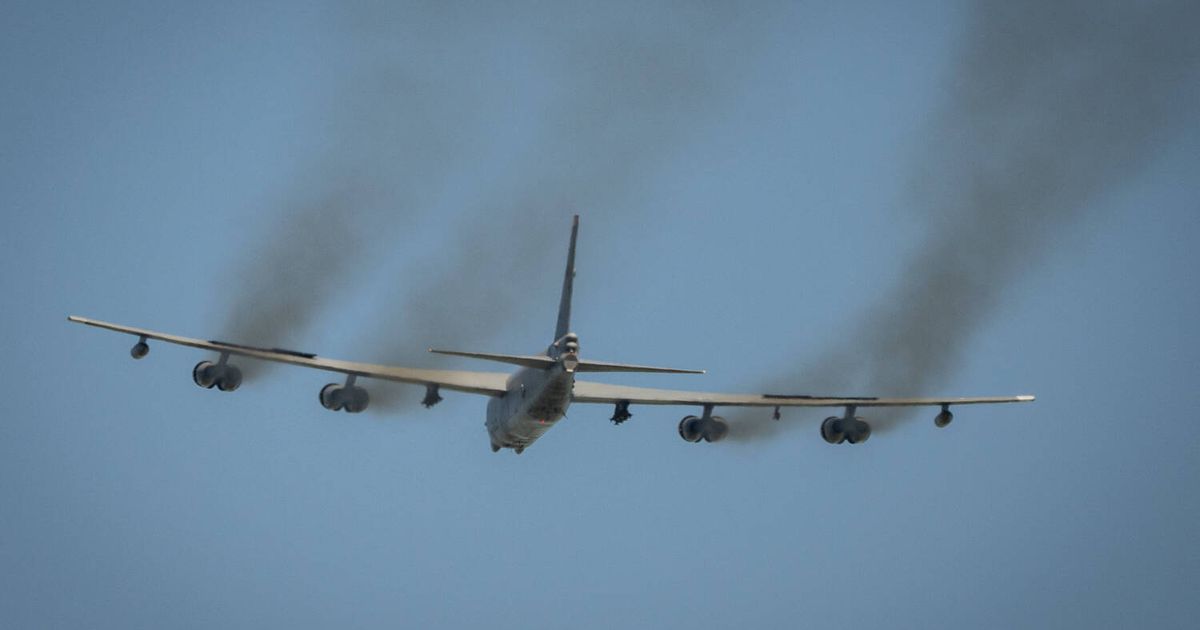
All eight crew members aboard a United States Air Force B-52 Stratofortress were killed when the aircraft crashed shortly after takeoff during a training mission. The incident, which occurred in the vicinity of a military installation in California, resulted in no survivors, according to official statements from the U.S. Department of Defense. Military investigators have initiated a comprehensive safety board inquiry to determine the precise cause of the catastrophic failure, as the aviation community monitors the aftermath of this significant loss of life.
Incident Overview and Emergency Response
The B-52 bomber, a long-range, heavy strategic bomber operated by the U.S. Air Force, went down in a remote area, complicating initial search and recovery efforts. Emergency responders and military recovery teams reached the crash site within hours, though they confirmed that the severity of the impact left no chance of survival for the eight personnel on board. According to reports confirmed by the United States Air Force, the aircraft was conducting a routine training flight when it lost contact with ground control shortly after departing the runway.

The B-52 Stratofortress has served as the backbone of the U.S. strategic bomber force for decades, known for its reliability and long-range capabilities. The loss of an entire crew is a rare and solemn event for the Air Force, triggering immediate grounding protocols for specific fleet segments while the investigation proceeds. The Department of Defense has emphasized that the primary objective currently remains the recovery of the victims and the securing of the crash site to preserve evidence for the accident investigation board.
The Investigation Process
When a military aircraft of this profile crashes, the U.S. Air Force convenes an Accident Investigation Board (AIB). This body operates independently of the chain of command to ensure impartiality. The board is tasked with reviewing flight data recorders—often referred to as “black boxes”—alongside maintenance records and pilot communication logs. According to established Department of Defense protocols, the AIB’s final report will document the factual findings and identify the probable cause, whether technical, human, or environmental.
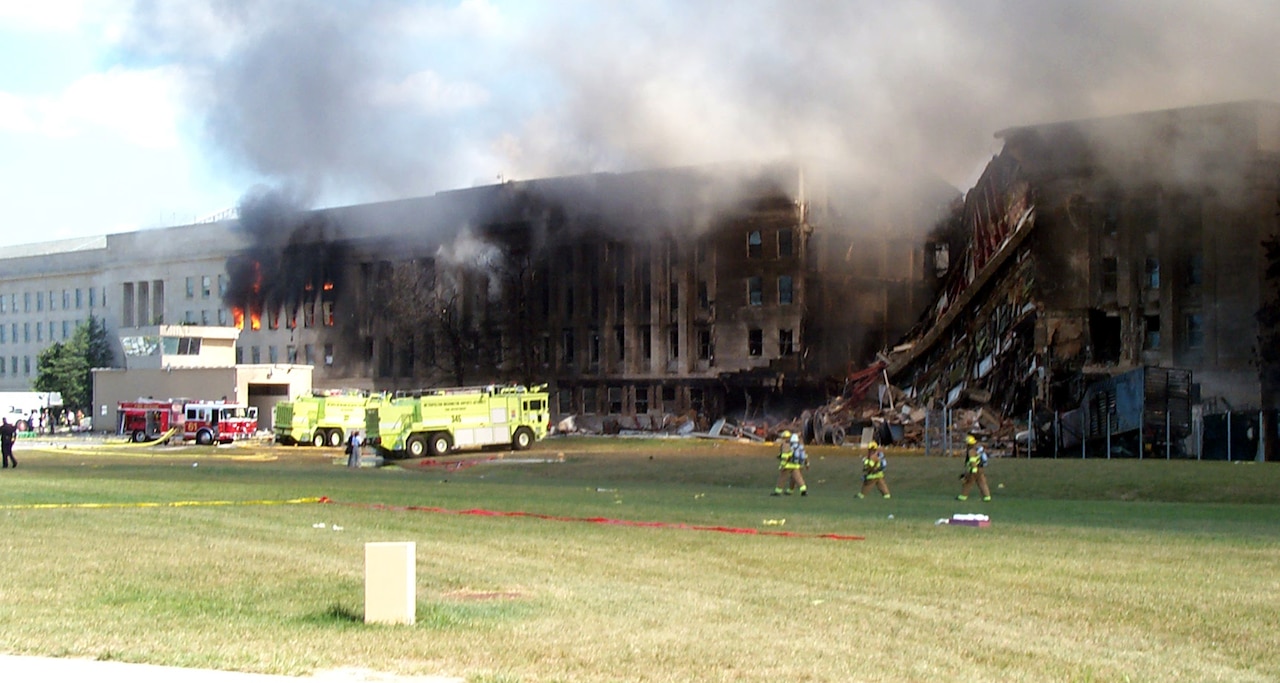
The complexity of investigating a B-52 crash involves analyzing the interaction between the aircraft’s eight engines and its older, analog-digital hybrid systems. Aviation experts often note that while the airframe is robust, the age of the fleet necessitates rigorous maintenance cycles. The investigation will specifically look at whether the failure occurred during the critical “rotation” phase of takeoff or if a mid-air emergency developed once the aircraft reached altitude. The findings are typically made public in a redacted format to protect operational security while providing transparency to the families of the victims and the public.
Operational Context and Safety Standards
The B-52 has a storied history, having entered service in the 1950s. Despite its age, the fleet has undergone multiple structural and avionics upgrades, commonly referred to as “Life Cycle Extension Programs.” These programs are designed to keep the aircraft mission-capable through at least 2050, according to Government Accountability Office (GAO) oversight reports regarding strategic bomber modernization. This crash serves as a stark reminder of the inherent risks associated with high-stakes military aviation, even during routine training exercises.
The impact of such an incident extends beyond the immediate loss of the crew. It prompts a wide-ranging review of training safety standards and maintenance procedures across all Air Force Global Strike Command wings. While individual accidents are often attributed to a combination of factors, the military’s safety apparatus is designed to identify systemic vulnerabilities. The Air Force has committed to providing support to the families of the deceased as the recovery mission transitions into the formal investigative phase.
What Happens Next
The next major milestone in this investigation will be the public release of the preliminary findings by the Air Force’s Air Combat Command or the respective major command overseeing the unit. While there is no set timeline for the final report, preliminary updates are often shared once the initial site survey and data collection are complete. The military typically releases the names of the deceased only after the next of kin have been fully notified and the appropriate waiting period has passed.
Members of the public seeking official updates or wishing to monitor the status of the investigation can follow the official U.S. Air Force news portal, which serves as the primary source for verified casualty reporting and board status. As the investigation progresses, questions regarding the future of the training mission profile will likely be addressed by military leadership during scheduled briefings. We invite our readers to share their thoughts or relevant questions in the comments section below as we continue to monitor this unfolding story.
- Youth Activism: How Young Leaders Are Fighting for Human Rights and Justice
- US Ambassador Mike Huckabee Condemns Israeli Settler Siege in West Bank as “Act of Terror
- Deadly Houthi Red Sea Attack: 3 Crew Members Killed on Cargo Ship (archyworldys.com)
- Two Soldiers Dead After Military Apache Helicopter Crashes in Salado, Texas (archynewsy.com)