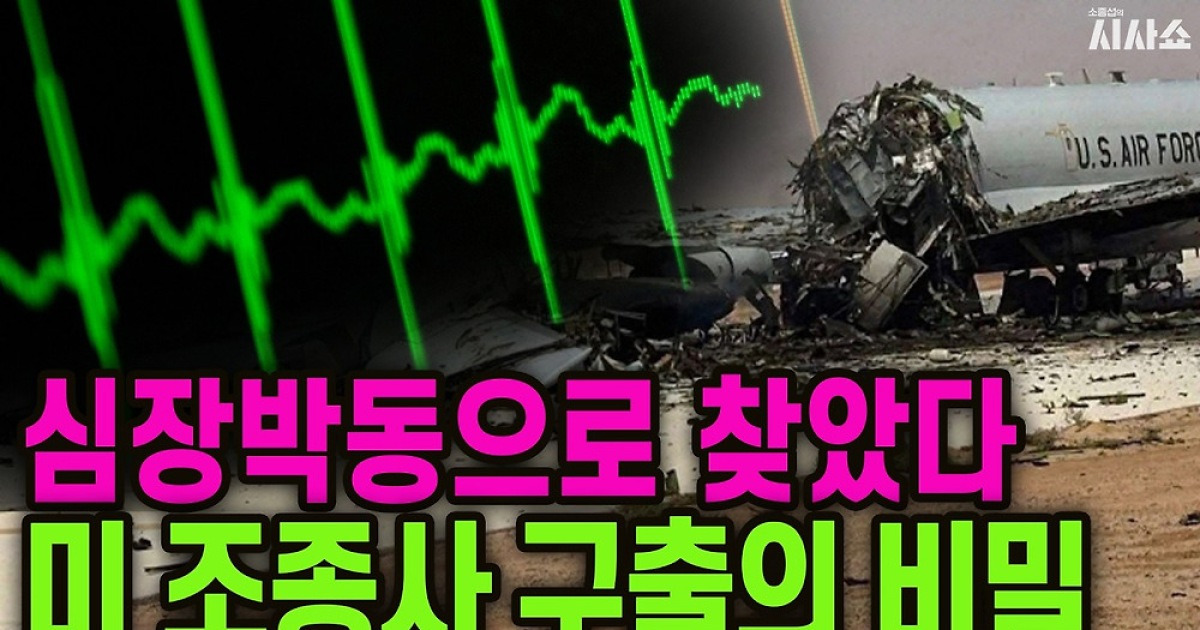
The United States Air Force has suffered a significant blow in the ongoing conflict with Iran, with two aircraft shot down in separate incidents on April 3, 2026. The losses, involving an F-15E Strike Eagle and an A-10 Thunderbolt II, mark the first time US aircraft have been downed by enemy fire since the start of military operations on February 28.
The shoot-downs have challenged previous assertions regarding the effectiveness of US efforts to neutralize Iranian air defenses. While US officials had previously characterized Iranian capabilities as outdated, the successful interception of these high-profile assets suggests a more resilient and capable resistance than initially anticipated by Western intelligence.
The events have sparked immediate international concern and raised questions about the security of US personnel operating within Iranian airspace. While one pilot was successfully recovered in a high-stakes rescue operation, another remains missing, with Iranian authorities offering a bounty for information leading to their capture.
F-15E and A-10 Shot Down in Strategic Zones
According to reports from multiple US media outlets and government officials, an F-15E Strike Eagle was shot down on April 3 over southwestern Iran. The Islamic Revolutionary Guard Corps (IRGC) claimed responsibility for the strike, attributing it to their anti-aircraft artillery. Iranian state media subsequently released photographs of the wreckage, which CNN analyzed and confirmed as consistent with the F-15E model reported by Yonhap News.
Simultaneously, an A-10 Thunderbolt II, known for its ground-attack capabilities, was downed near the strategically vital Strait of Hormuz. The loss of these two distinct aircraft—one a multi-role fighter and the other a specialized ground-attack plane—indicates that Iranian defenses are capable of targeting a variety of flight profiles and altitudes.
Military analysts suggest that the “Khordad-3” interceptor system may have played a role in these engagements, highlighting a gap between the “stone age” descriptions of Iranian tech previously cited by some US officials and the reality of the current battlefield via News1.
High-Stakes Rescue and Missing Personnel
The F-15E was carrying two crew members at the time of its crash. One member successfully ejected from the aircraft and landed on territory where US forces could initiate a recovery. The US military deployed HH-60G search and rescue helicopters and C-130 tankers to facilitate the extraction. One pilot was successfully rescued and returned to base according to Yonhap News.
The rescue operation was not without risk. two of the HH-60G helicopters were attacked by Iranian forces during the mission. While some personnel on board the helicopters were injured, they were able to return to their base.
However, the second crew member of the F-15E remains missing. Iranian authorities have intensified the search for the missing service member, using state-run media to announce a financial reward for anyone who finds and delivers the pilot to the Iranian government.
Geopolitical Implications and the Trump Administration’s Stance
Despite the loss of aircraft and the missing pilot, President Trump has maintained a firm stance on the diplomatic front. In a telephone conversation with NBC, the President was asked whether the shoot-downs would impact ongoing negotiations with Iran. President Trump responded that the incidents would have “no effect” on the negotiation process as reported by Yonhap News.
The timing of these losses is particularly critical, as the conflict enters its second month. The ability of Iran to maintain counter-attack capabilities despite over a month of sustained US airstrikes suggests that the Iranian military has successfully hidden missile and drone assets in underground facilities, rendering the claim of total “air superiority” questionable via News1.
Summary of Aircraft Losses (April 3, 2026)
| Aircraft Model | Location of Incident | Outcome | Personnel Status |
|---|---|---|---|
| F-15E Strike Eagle | Southwestern Iran | Shot down by IRGC | 1 Rescued, 1 Missing |
| A-10 Thunderbolt II | Near Strait of Hormuz | Shot down | Not specified |
What Happens Next
The primary focus for the US military remains the recovery of the missing F-15E crew member. The continued presence of Iranian air defense capabilities will likely force a reassessment of flight paths and engagement rules for US aircraft operating in the region.
International observers will be watching closely to see if the shoot-downs lead to an escalation in airstrikes or if the administration’s stated commitment to negotiations holds firm despite the military setbacks.
The next official update is expected from the Department of Defense regarding the status of the missing pilot and the casualties sustained by the rescue helicopters.
Do you consider these military losses will change the trajectory of the diplomatic negotiations? Share your thoughts in the comments below and share this article to keep others informed.
Related reading