The Evolving Threat of ISIS in Syria: A Current Assessment
Recently, a private meeting took place between the U.S. president and families of Americans who lost their lives in service. This solemn occasion underscores the continued U.S.commitment to addressing threats abroad, particularly in regions like Syria where instability persists. But what is the current situation in Syria, and does ISIS still pose a significant danger? Let’s break down the complexities.
The Defeat of the Caliphate,But Not the Ideology
Initially seizing vast territories across Syria and Iraq in 2014,the Islamic State (ISIS) has been militarily defeated as a conventional force.However, to assume the threat is extinguished would be a dangerous miscalculation. Fighters loyal to the group remain active in both countries, consistently launching attacks and exploiting vulnerabilities.
You might be wondering how thay continue to operate despite losing control of territory. The answer lies in their transition to a more decentralized, insurgent-style approach. They are masters of blending into local populations and leveraging ungoverned spaces.
A Shifting Syrian Landscape
syria’s political landscape has undergone significant changes. A new regime, led by al-sharaa and allied with the Hayat Tahrir al-Sham group, is now in power. They are actively attempting to rebuild international relationships and publicly denounce terrorism.
however, navigating these new dynamics requires careful consideration. While the regime claims opposition to Islamist extremism, its internal complexities and alliances demand scrutiny.
Cooperation and Continued U.S. Presence
Interestingly, Syria is now cooperating with the U.S.-led coalition dedicated to combating ISIS. This collaboration solidified recently following a meeting between al-Sharaa and the U.S. president. This represents a notable shift in the geopolitical landscape.
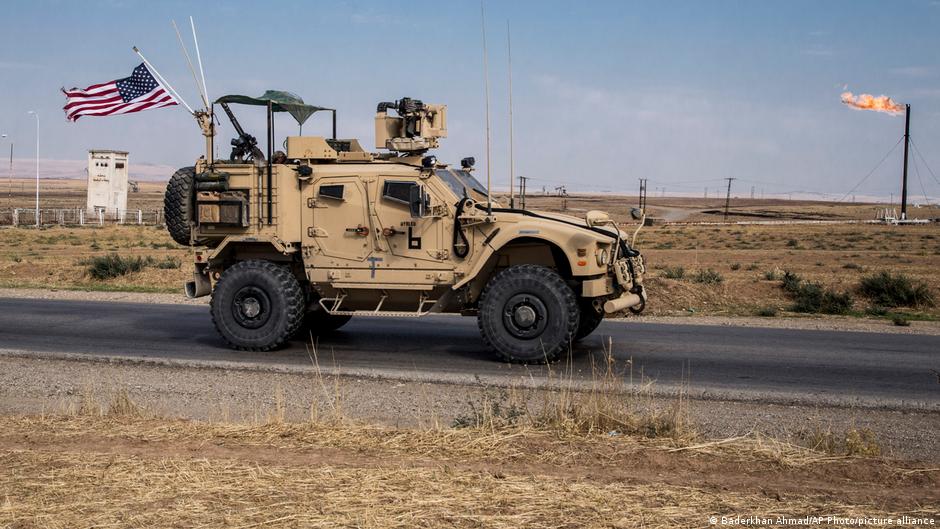
Currently, approximately 1,000 U.S. troops remain stationed in Syria. Their presence serves multiple purposes:
* Counter-ISIS Operations: Continuing to disrupt ISIS activities and prevent a resurgence.
* Regional Stability: Supporting partners and mitigating broader regional instability.
* Monitoring: Keeping a close watch on the evolving security situation.
What Does This Mean for You?
The situation in Syria is far from resolved. While ISIS no longer controls large swathes of land, the threat of attacks and the potential for the group to regroup remain very real. Here’s what you should understand:
* ISIS is adapting. They are shifting from territorial control to a more insidious insurgency.
* Regional politics are complex. New alliances and shifting power dynamics require careful analysis.
* U.S. involvement continues. A sustained presence is deemed necessary to prevent a resurgence of ISIS and maintain regional stability.
Ultimately, a long-term solution requires a multifaceted approach. This includes continued military pressure on ISIS, robust counter-terrorism efforts, and addressing the underlying socio-economic factors that contribute to radicalization. It’s a challenge that demands sustained attention and a nuanced understanding of the region.
Worth a look