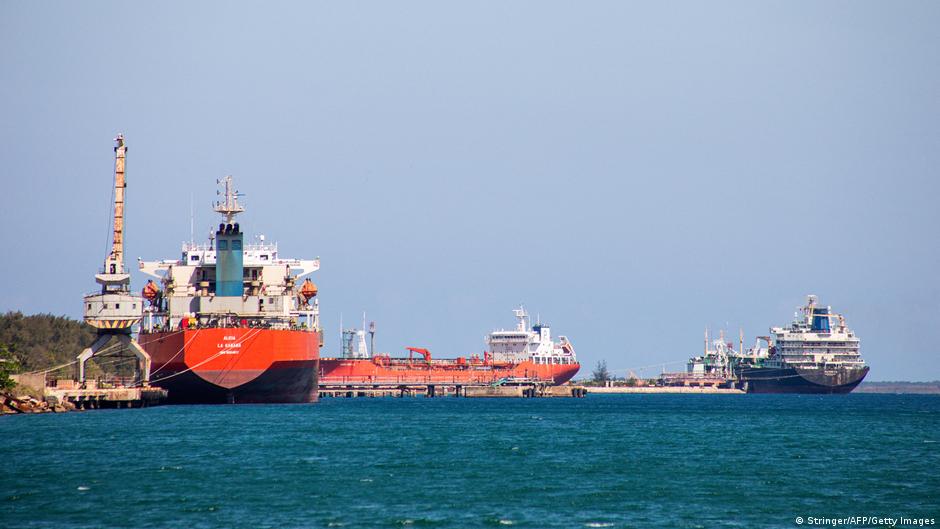
Washington D.C. – The U.S. Treasury Department announced Wednesday a shift in policy regarding the resale of Venezuelan oil, authorizing licenses for transactions intended to benefit the Cuban people, specifically the burgeoning private sector. This move represents a notable easing of restrictions amid a severe economic crisis in Cuba, marked by widespread fuel shortages and escalating hardship for its citizens. The decision comes as the island nation grapples with power outages, disruptions to essential services, and a growing humanitarian concern, fueled in part by the ongoing U.S. Embargo and recent economic challenges in Venezuela, a key oil supplier to Cuba.
The policy change, detailed in a Frequently Asked Question (FAQ) published by the Office of Foreign Assets Control (OFAC), aims to support the Cuban population while explicitly excluding transactions that would benefit the Cuban military, government, or intelligence services. This nuanced approach signals a willingness by the Biden administration to provide targeted relief to Cubans without directly bolstering the authority of the communist-run government. The move is being closely watched by regional stakeholders and international observers as a potential indicator of evolving U.S. Policy towards Cuba and Venezuela.
The authorization for the resale of Venezuelan oil is contingent upon adherence to the terms and conditions outlined in Venezuela General License (GL) 46A, though applicants are not necessarily required to have an established U.S. Entity, and the limitations within GL 46A concerning Cuba will not apply. This suggests a streamlined process for companies seeking to facilitate these transactions, prioritizing support for the Cuban private sector through commercial and humanitarian exports. The timing of this announcement coincides with a period of significant economic strain in Cuba, where a lack of fuel has crippled transportation, healthcare, and basic infrastructure.
Cuba’s Economic Crisis and the Role of Venezuelan Oil
The current crisis in Cuba is deeply intertwined with its historical reliance on Venezuelan oil. Following the 1991 collapse of the Soviet Union, Cuba forged a strong economic partnership with Venezuela under Hugo Chávez, receiving subsidized oil in exchange for medical and other services. This relationship provided a crucial lifeline for the Cuban economy for decades. But, Venezuela’s own economic and political turmoil in recent years, including a significant decline in oil production and political instability, has severely impacted its ability to maintain this level of support. Reuters reported on Wednesday that the easing of restrictions comes as life on the island has slowed to a halt due to a lack of fuel.
The consequences of the fuel shortage are widespread and increasingly dire. Hospitals are reducing services, public transportation is severely limited, and garbage collection has been disrupted, leading to unsanitary conditions in urban areas. Power outages are commonplace, further exacerbating the challenges faced by ordinary Cubans. The situation has prompted international concern and calls for humanitarian assistance. The Canadian government, responding to the growing crisis, announced Wednesday it would provide CAN $8 million (approximately $5.8 million USD) in aid to Cuba through the UN World Food Program and UNICEF, as reported by multiple sources.
U.S. Policy and the Cuban Embargo
The U.S. Embargo against Cuba, initially imposed in 1962 in response to the Cuban Revolution and the subsequent nationalization of U.S. Assets, remains a significant obstacle to Cuba’s economic development. The U.S. State Department details the extensive sanctions regime, which prohibits most trade and financial transactions between the two countries. While there have been periods of limited easing of restrictions, the embargo remains largely in place. The current administration’s decision to allow the resale of Venezuelan oil, while limited in scope, represents a departure from the stricter enforcement of the embargo under previous administrations.
The Treasury Department’s FAQ clarifies that the U.S. Department of Commerce retains primary regulatory authority over the export or reexport of U.S.-origin oil to Cuba. However, the OFAC’s favorable licensing policy aims to facilitate transactions that support the Cuban people, particularly the private sector, which is seen as a potential engine for economic growth and democratic change. This approach reflects a broader strategy of engaging with Cuban civil society and promoting greater economic independence from the state.
Regional Implications and International Response
The U.S. Policy shift also comes against the backdrop of growing regional anxieties, particularly concerning the political and economic situation in Venezuela. Recent developments, including the attendance of U.S. Secretary of State Marco Rubio at a Caribbean Community (CARICOM) summit, underscore the increasing focus on regional stability and the potential for spillover effects from the crises in Cuba and Venezuela. According to reports, Rubio defended U.S. Policy towards Venezuela at the summit, calling for “fair, democratic elections” in the country.
Jamaican Prime Minister Andrew Holness, speaking at the CARICOM summit, warned that a prolonged crisis in Cuba could trigger migration flows throughout the region, highlighting the potential for broader instability. Similarly, the Prime Minister of Saint Kitts and Nevis, Terrance Drew, cautioned that a destabilized Cuba could have cascading effects on neighboring countries. These concerns reflect a growing recognition of the interconnectedness of the region and the need for a coordinated response to the challenges facing Cuba and Venezuela.
Key Takeaways
- The U.S. Treasury Department is authorizing the resale of Venezuelan oil to Cuba, but only if the transactions benefit the Cuban people and not the government.
- This policy change is a response to the severe economic crisis in Cuba, marked by fuel shortages and widespread hardship.
- The U.S. Embargo against Cuba remains largely in place, but the new licensing policy represents a limited easing of restrictions.
- Regional leaders are expressing concern about the potential for instability in Cuba and Venezuela to spill over into neighboring countries.
- Canada has pledged CAN $8 million in humanitarian aid to Cuba to address urgent needs.
The implementation of this new licensing policy will be closely monitored by businesses, policymakers, and observers in both the United States and Cuba. The extent to which it can alleviate the economic crisis in Cuba and promote greater economic freedom for the Cuban people remains to be seen. The U.S. Government is expected to continue evaluating the situation and adjusting its policies as necessary, taking into account the evolving dynamics in Cuba, Venezuela, and the broader region. Further updates regarding specific license applications and the impact of the policy are expected in the coming weeks.
The next key development to watch will be the response from companies seeking licenses to resell Venezuelan oil to Cuba. The OFAC has not specified a timeline for processing applications, but it has indicated a commitment to a favorable review process for those that meet the stated criteria. Readers are encouraged to share their thoughts and perspectives on this developing story in the comments section below.
Keep reading