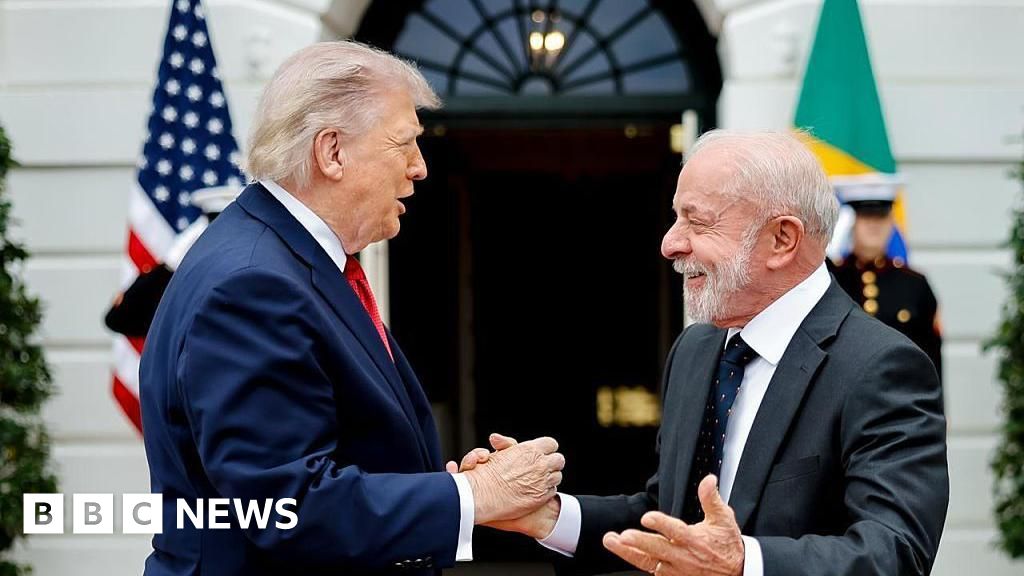
The diplomatic dance between the United States and Brazil reached a complex crescendo this week as President Donald Trump and President Luiz Inácio Lula da Silva met at the White House on Thursday. On the surface, the encounter appeared cordial, characterized by an exchange of public compliments and an apparent desire to maintain a functional relationship between the two largest economies in the Western Hemisphere.
However, beneath the polite rhetoric, the meeting revealed a relationship defined by lingering strain and deep-seated disagreements. The absence of a joint press conference in the Oval Office—a staple of Trump’s typical diplomatic engagements—suggests that while both leaders are keen to avoid open hostility, significant hurdles remain in their path toward a true strategic alignment.
For global markets and diplomatic observers, the meeting serves as a barometer for the current state of North-South relations. The tension is not merely personal but structural, spanning critical disputes over international trade, judicial independence, and the fight against transnational organized crime. As the two leaders attempt to navigate these frictions, the outcome of their discussions will likely dictate the economic stability of the region heading into the final quarter of the year.
A Veneer of Diplomacy: Public Praise and Private Gaps
Following their discussions in Washington, both leaders took to their respective platforms to project an image of success. President Trump, utilizing his Truth Social account, described the meeting as “very good” and characterized President Lula as “dynamic.” In return, the Brazilian president stated that he left the White House feeling “very satisfied.”
Despite these positive descriptors, the optics of the visit told a different story. The decision to forego a joint appearance before the press is often viewed in diplomatic circles as a signal that key issues remain unresolved. When leaders avoid a shared podium, it typically indicates a lack of consensus on the primary objectives of the meeting or a desire to avoid the scrutiny of contradictory statements during a live Q&A session.
This strategic distance highlights the precarious balance both administrations are striking: the need to maintain a working partnership for the sake of regional stability, while refusing to concede on core ideological or economic priorities. For a global audience, the “satisfaction” expressed by Lula and the “dynamic” label from Trump may be less about agreement and more about a mutual agreement to disagree without escalating tensions.
The Trade Standoff: Tariffs and the 30-Day Proposal
The most acute point of friction between Washington and Brasilia remains economic policy, specifically regarding tariffs and trade barriers. During the talks, the two leaders found themselves “especially far apart” on trade issues, reflecting a fundamental clash in their approaches to protectionism and market access.
President Lula noted the stark difference in perspective, stating, “He always thinks we charge too much tax,” referring to President Trump’s view of Brazilian trade policies. This tension underscores a broader struggle over how the two nations manage their trade balance and the tariffs imposed on imported goods, which can significantly impact sectors ranging from agriculture to manufacturing.
In an effort to move past the impasse, Brazil has proposed the creation of a specialized working group designed to negotiate and resolve trade disagreements within a strict 30-day window. This proposal suggests a desire for a structured, time-bound approach to conflict resolution rather than relying on the unpredictable nature of high-level summitry. Lula’s stance on these negotiations was candid, noting, “Whoever is wrong will give in. If we have to give in, we will. If you have to give in, then you will have to give in.”
From an economic perspective, the success of such a working group is critical. Brazil’s reliance on export markets and the U.S.’s pursuit of favorable trade terms mean that any prolonged tariff war could disrupt supply chains and increase costs for consumers in both nations. The 30-day proposal represents a pragmatic attempt to quantify disagreements and reach a compromise before trade tensions spill over into broader diplomatic crises.
Political Friction: Bolsonaro and the October Elections
Beyond economics, the meeting was clouded by intense political disagreements regarding Brazil’s domestic legal affairs and the integrity of its democratic processes. A primary point of contention is the status of former Brazilian President Jair Bolsonaro, a close ally of Donald Trump.
Trump has actively pushed President Lula to drop the charges against Bolsonaro, who was convicted last year of an attempted coup and received a sentence of 27 years in prison. This request places Lula in a difficult position, as any perceived interference in the Brazilian judiciary could be viewed domestically as a surrender of sovereignty or a political favor to a foreign power.
This friction is exacerbated by the looming October elections in Brazil. The Brazilian government has expressed concern over the risk of American interference in these elections, suggesting that the U.S. Administration’s alignment with Bolsonaro’s political movement could destabilize the democratic process. The intersection of U.S. Foreign policy and Brazilian internal law creates a volatile environment where diplomatic gestures are often interpreted through a partisan lens.
Security and Global Conflict: Iran and Organized Crime
The strain between the two nations extends into the realm of global security and law enforcement. According to reports, Washington and Brasilia have faced significant tension over their respective strategies for combating organized crime. While both nations agree on the necessity of dismantling criminal networks, they differ on the methods of implementation and the sharing of intelligence.
Adding to the complexity is the United States’ ongoing conflict in Iran. Brazil, which has historically pursued a more neutral or multilateral foreign policy, finds itself at odds with the U.S. Approach to the Middle East. This divergence in geopolitical strategy limits the ability of the two countries to form a united front on global security issues, further contributing to the “lingering strain” observed during the White House visit.
These multifaceted disagreements—ranging from the legal fate of a former president to the nuances of counter-crime operations—illustrate that the relationship is currently managed rather than mended. The effort to avoid tension is a tactical choice, not a sign of a healed rift.
Key Diplomatic Friction Points
| Issue Area | Primary Point of Contention | Proposed Resolution/Status |
|---|---|---|
| Trade | Disagreement over tariffs and taxes | Proposed 30-day negotiation working group |
| Judiciary | Conviction of Jair Bolsonaro (27-year sentence) | Trump pushing for charges to be dropped |
| Elections | Risk of U.S. Interference in October elections | Ongoing diplomatic concern from Brasilia |
| Security | Fight against organized crime and war in Iran | Lingering strain and strategic divergence |
As both nations look toward the coming months, the focus will shift to whether the proposed trade working group can deliver tangible results. The success or failure of these negotiations will likely determine if the relationship moves toward genuine cooperation or remains a series of polite, yet distant, encounters.
The next critical checkpoint for this relationship will be the progress report from the proposed trade working group and the lead-up to Brazil’s October elections, both of which will test the resilience of the current diplomatic truce.
Do you believe a 30-day working group is sufficient to resolve deep-seated trade disputes between global powers? Share your thoughts in the comments below.