
In the high-stakes world of mixed martial arts (MMA), the fight often begins long before the athletes step into the cage. For most fighters, the most grueling battle is the “weight cut”—a punishing process of rapid dehydration designed to make weight for a specific division. However, Korean fighter Bae Myung-ho, representing the renowned Team Mad, has recently drawn significant attention for a starkly different approach: passing his weigh-ins with what is described as “0g” of water control.
While many of his peers are forced to shed upwards of 5kg in the final hours before the scale, Bae’s ability to hit his target weight without extreme water manipulation suggests a superior state of physical preparation. From a medical perspective, this is not merely a convenience. it is a critical advantage that directly impacts cognitive function, cardiovascular stability, and overall fight performance.
As a physician and health editor, I find this development particularly noteworthy. The culture of extreme weight cutting in combat sports has long been a point of contention within the medical community due to the severe physiological stress it places on the human body. When a fighter like Bae Myung-ho avoids the traditional “water cut,” he is effectively bypassing some of the most dangerous aspects of professional fighting preparation.
The Mechanics of the MMA ‘Water Cut’
To understand why Bae Myung-ho’s “0g” approach is significant, one must first understand the traditional water cut. Most MMA fighters do not maintain their competition weight year-round. Instead, they “walk around” at a weight significantly higher than their limit and use a process called acute weight loss (AWL) to drop the remaining kilograms in the 24 to 72 hours preceding the weigh-in.
This process typically involves “water loading”—drinking massive quantities of water to trigger a hormonal response that increases urination—followed by a sudden, total restriction of fluids. Fighters then use saunas, sweat suits, and intense exercise to force the body to expel remaining subcutaneous water. This is the “water control” that Bae Myung-ho reportedly avoided.
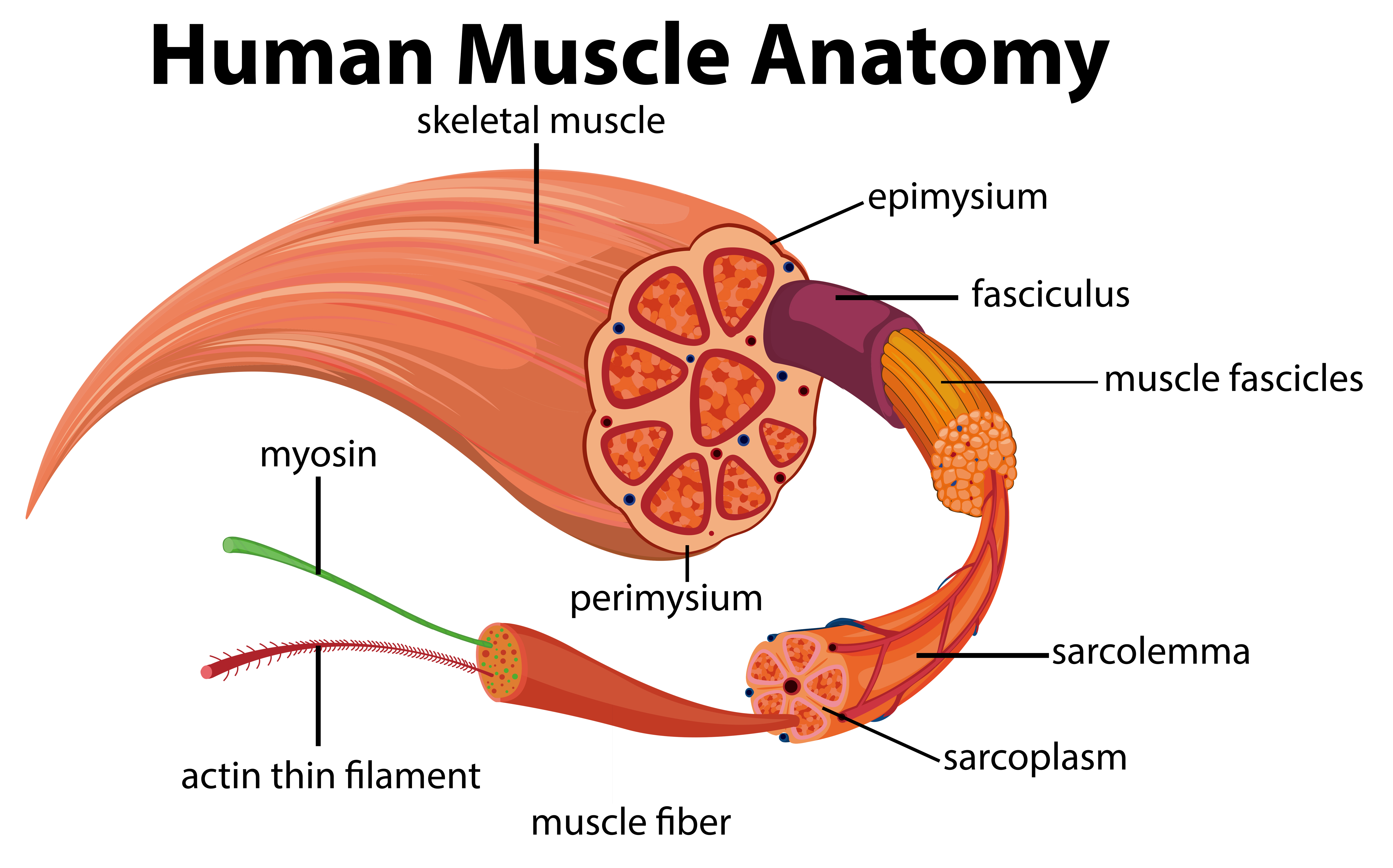
When fighters are “losing 5kg” in this manner, they are not losing fat; they are losing plasma volume and intracellular fluid. This state of acute dehydration leads to a decrease in blood volume, which forces the heart to work harder to pump oxygen to the muscles and brain, significantly increasing cardiovascular strain.
Why ‘0g’ Water Control is a Medical Advantage
Passing a weigh-in without the need for acute water manipulation—essentially staying within a few hundred grams of the limit through diet and steady exercise—provides several immediate physiological benefits. When a fighter avoids the extreme dehydration cycle, they preserve the integrity of their internal systems.
1. Preservation of Cerebrospinal Fluid (CSF)
One of the most dangerous aspects of rapid weight loss is the reduction of fluid surrounding the brain. The CSF acts as a shock absorber; when a fighter is severely dehydrated, this protective layer thins. Medical research indicates that dehydrated fighters are at a higher risk of brain trauma and concussions because the brain has less “cushioning” against the skull during impact. By avoiding a heavy water cut, Bae Myung-ho enters the cage with a more protected neurological state.
2. Kidney Function and Metabolic Stability
Extreme dehydration puts immense pressure on the kidneys, which must filter waste products with very little solvent (water) available. This can lead to acute kidney injury (AKI) in severe cases. A “0g” water cut approach ensures that renal function remains stable, preventing the metabolic acidosis and electrolyte imbalances that often plague fighters who cut weight aggressively.
3. Sustained Muscle Power and Endurance
Muscle glycogen is stored with water. When a fighter strips their body of water to make weight, they often deplete their glycogen stores. Even with a 24-hour rehydration window, many fighters fail to fully restore these levels, leading to premature fatigue and a loss of explosive power during the fight.
The Risks of Rapid Weight Loss in Combat Sports
The prevalence of the 5kg-plus water cut is a systemic issue in combat sports. While it allows fighters to compete in lower weight classes against smaller opponents, the health costs are substantial. The process of rapid dehydration can lead to severe electrolyte imbalances, specifically involving sodium and potassium, which are essential for heart rhythm and muscle contraction.
According to established sports medicine guidelines, extreme dehydration can lead to heatstroke and cardiovascular collapse. The “yo-yo” effect of losing 5–10% of body mass in 48 hours and then attempting to regain it through aggressive drinking and eating can also cause edema (swelling) and gastrointestinal distress, which can hinder a fighter’s movement and agility.
Bae Myung-ho’s current physical condition, as noted in recent reports from Team Mad, serves as a case study in “weight management” versus “weight cutting.” Weight management is a long-term nutritional strategy; weight cutting is a short-term emergency measure. The former builds a sustainable athlete, while the latter often leads to burnout or acute medical crises.
Long-Term Implications for Fighter Longevity
Beyond the immediate fight, the habit of chronic weight cutting can have lasting effects on the endocrine system. Frequent, extreme fluctuations in weight and hydration can disrupt thyroid function and testosterone levels, potentially leading to metabolic dysfunction over a career.
By maintaining a body state that allows for a “0g” water cut, athletes like Bae Myung-ho are likely extending their professional lifespans. They avoid the systemic inflammation and organ stress associated with repeated dehydration cycles, allowing them to train harder and recover faster between camps.
Comparison: Weight Cutting vs. Weight Management
| Feature | Rapid Water Cut (e.g., 5kg+) | Weight Management (0g Cut) |
|---|---|---|
| Brain Protection | Reduced CSF; higher concussion risk | Maintained CSF; optimal protection |
| Cardiovascular Stress | Increased heart rate; lower blood volume | Stable heart rate; normal plasma volume |
| Kidney Health | High risk of acute stress/injury | Normal renal filtration |
| Energy Levels | Glycogen depletion; early fatigue | Optimal glycogen stores; sustained power |
| Recovery Time | Days required for full rehydration | Immediate readiness for competition |
The Path Forward for MMA Athletes
The shift toward more sustainable weight practices is a welcome trend in the sport. While the competitive urge to be the “bigger” fighter in a weight class remains, the medical evidence overwhelmingly supports the approach taken by Bae Myung-ho. When an athlete is in “legendary body condition” without the need for artificial water manipulation, they are not just fighting their opponent—they are fighting with the full capacity of their biological systems.
For other athletes and fans, the takeaway is clear: the scale is only one part of the equation. The way a fighter reaches that number determines whether they enter the cage as a depleted version of themselves or as a fully optimized athlete.
The next confirmed checkpoint for Bae Myung-ho is his upcoming bout, where the results of this disciplined approach to weight management will be put to the ultimate test in live competition. We will continue to monitor the health outcomes and performance metrics associated with these evolving training methodologies.
Do you believe combat sports should implement stricter regulations on weight cutting to protect athlete health? Share your thoughts in the comments below.