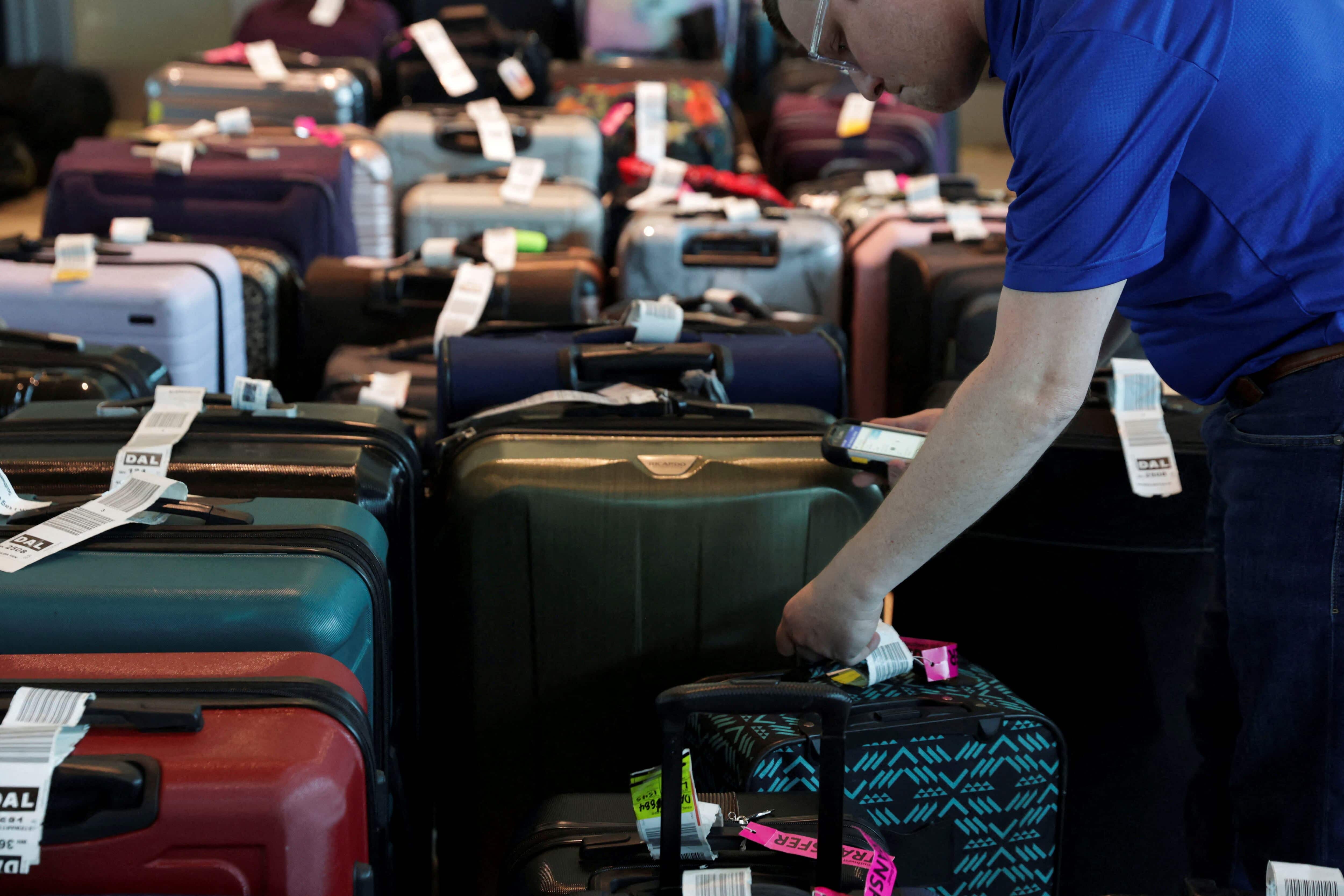
Global travellers are facing a fresh wave of financial pressure as the ongoing conflict involving Iran triggers a surge in aviation costs. From the sudden spike in jet fuel prices to the closure of critical Middle Eastern airspace, the ripple effects of the war are manifesting as higher baggage fees and fuel surcharges for passengers across North America.
Industry experts warn that the instability in the Middle East is creating a volatile environment for carriers, who are now passing these operational burdens onto the consumer. While some passengers may first notice the impact on discounted tickets and reward bookings, the broader trend points toward a sustained increase in the cost of air travel as airlines struggle to manage dwindling fuel supplies and skyrocketing overhead.
The current crisis is not merely a matter of pricing but of operational viability. With major hubs under threat and oil markets reacting sharply to geopolitical threats, the aviation sector is navigating a precarious balance between maintaining schedules and ensuring financial survival amid a global energy shock.
Fuel Volatility and the Surge in Passenger Costs
The primary driver behind the current price hikes is the extreme volatility of the oil market. At the onset of the conflict, oil prices surged by approximately 50%, peaking at $100 a barrel. Although prices later retreated to the mid-$80s following suggestions that the conflict might be short-lived, the initial shock has left airlines scrambling to recoup losses.
In Canada, the impact is already being felt. McKenzie McMillian, managing partner at The Travel Group, has indicated that rising fuel costs are likely to lead to higher fares and a reduction in available flights. This economic pressure often leads airlines to implement “sticky” surcharges—fees that remain in place even after the initial cause of the price hike has stabilized—to protect profit margins against future volatility .
Beyond standard ticket prices, airlines are increasingly relying on ancillary revenue to offset these costs. This includes the introduction or increase of baggage fees and specific fuel surcharges, which allow carriers to adjust pricing more dynamically than through base fare changes. For the average traveller, So the “sticker price” of a flight is becoming less representative of the final cost.
Airspace Closures and Operational Disruptions
The conflict has rendered significant portions of Middle Eastern airspace unusable, forcing airlines to take drastic measures. Iran has targeted civilian infrastructure, including airports in Doha, Dubai, Abu Dhabi, Kuwait City, and Nakhchivan, Azerbaijan .
These closures have led to widespread flight suspensions. American Airlines, for example, has had to repeatedly extend its suspensions for key routes. Service from Philadelphia to Doha has been suspended until May 7, 2026, and flights from New York JFK to Tel Aviv are not expected to restart until April 23, 2026 .
When airspace is closed, airlines must fly longer, less efficient routes to avoid conflict zones. These detours increase flight times and, crucially, increase the amount of fuel required for every journey. In an environment where fuel is already expensive and supplies are tightening, these operational inefficiencies further drive the necessitate for higher baggage fees and fuel surcharges.
The Jet Fuel Shortage Crisis
While price is one factor, the physical availability of fuel has become a critical concern. The protracted war involving the U.S., Israel, and Iran has led to a dwindling supply of jet fuel. This shortage has reached a point where some airlines have been forced to cancel flights entirely because they simply cannot secure the necessary fuel to operate .
The intersection of high prices and low supply creates a “perfect storm” for the aviation industry. For budget-conscious carriers, the situation is even more dire. Industry analysts have questioned the survival of airlines operating on thin margins, such as Spirit Airlines, given the pressure of $100-per-barrel oil and the resulting operational costs.
Key Impacts on Travellers
- Increased Ancillary Costs: Expect higher fees for checked luggage and the addition of fuel-specific surcharges on international itineraries.
- Reduced Availability: A decrease in discounted fares and reward seat availability as airlines prioritize high-yield bookings to offset fuel costs.
- Route Instability: Potential for last-minute cancellations or significant delays due to airspace closures and fuel shortages.
- Insurance Necessity: Travel experts are urging passengers to insure their travel purchases to protect against sudden cancellations caused by geopolitical instability.
What This Means for the Global Aviation Market
The current situation highlights the extreme sensitivity of global travel to geopolitical events in the Middle East. The “stickiness” of these new fees suggests that airlines are not just reacting to a temporary spike, but are hedging against a new era of instability. When fuel costs rise and airspace shrinks, the cost of moving people across the globe inevitably increases.
For travellers, the immediate strategy is one of caution. Monitoring official airline advisories and securing comprehensive travel insurance is recommended. As the conflict evolves, the aviation sector will likely continue to adjust its pricing models, meaning that the cost of flying may remain elevated even if a ceasefire is achieved.
| Route | Status | Expected Restart Date |
|---|---|---|
| Philadelphia – Doha | Suspended | May 7, 2026 |
| New York JFK – Tel Aviv | Suspended | April 23, 2026 |
The next critical checkpoint for the industry will be April 23, 2026, the date American Airlines currently targets for the restart of its New York JFK to Tel Aviv service, provided the security situation allows.
Do you think airlines are unfairly passing these costs to passengers, or is this an inevitable result of global conflict? Share your thoughts in the comments below.
Keep reading