The geopolitical landscape of the Middle East has entered a state of precarious suspension as the United States and Iran navigate a fragile ceasefire, a development facilitated largely through the diplomatic efforts of Pakistan. While the immediate cessation of hostilities provides a momentary reprieve, the stability of this arrangement remains under significant pressure, with the international community watching closely to observe if this pause can be converted into a sustainable peace.
As World Editor, I have seen many “breakthroughs” in this region that vanished as quickly as they appeared. This current US and Iran ceasefire is no different; it is a high-stakes diplomatic gamble. The role of Pakistan has emerged as pivotal, acting as a bridge between two adversaries who have long struggled to discover a neutral ground for negotiation. The current situation is less a settled peace and more a strategic pause, characterized by urgent appeals and looming deadlines.
At the center of this tension is a race against time. Pakistan is currently engaged in a dual-track diplomatic offensive, urging the Trump administration to provide more breathing room for negotiations while simultaneously pushing Tehran to restore critical maritime access. The success of these efforts will determine whether the region slides back into conflict or finds a narrow path toward de-escalation.
Pakistan’s Strategic Mediation in a Fragile Truce
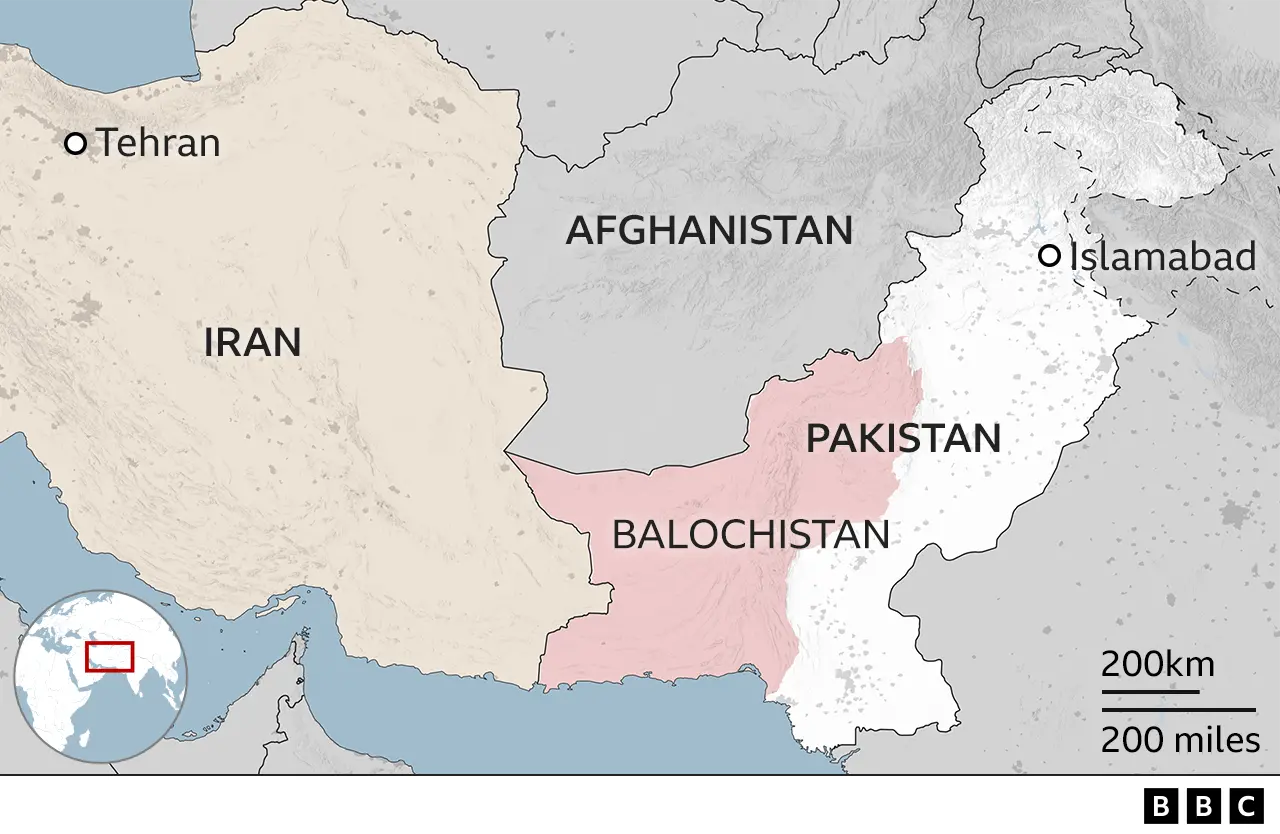
The current ceasefire was not a product of direct bilateral agreement but was secured through the intervention of Pakistani diplomats. According to reports, Pakistan helped secure a fragile ceasefire between the US and Iran, stepping into a vacuum of trust to prevent further escalation. This mediation highlights Pakistan’s strategic interest in regional stability and its willingness to leverage its unique position to facilitate dialogue.
However, the term “fragile” is the operative word here. In international relations, a ceasefire without a clear roadmap for permanent resolution is often merely a period of re-armament or tactical repositioning. For the US and Iran, the stakes involve not only regional hegemony but likewise the security of global energy corridors and the prevention of a full-scale war that could destabilize the global economy.
The Push for Extension and the Hormuz Strait
The primary objective for Pakistani mediators now is to extend the current window of opportunity. The diplomatic effort is currently focused on two critical fronts: the administrative deadline set by the White House and the physical openness of the world’s most vital oil chokepoint.
Pakistan has formally appealed to President Trump to extend the existing deadline, arguing that more time is required to solidify the terms of a lasting agreement. Parallel to this, Pakistan has appealed to Iran to reopen the Strait of Hormuz, a move that would serve as a tangible sign of good faith and reduce the immediate risk of maritime conflict.
The Strait of Hormuz is a critical vulnerability in global logistics. Any closure or restriction of movement in these waters immediately triggers market volatility and increases the risk of direct naval confrontations. By linking the extension of the ceasefire to the reopening of the Strait, Pakistan is attempting to create a reciprocal framework where both the US and Iran provide concessions to maintain the peace.
Trump’s Decision: The Two-Week Window
The fate of the current truce now rests largely with the White House. Reports indicate that Trump is weighing a request from Pakistan for a two-week extension for Iran. This potential 14-day window is seen as the minimum time necessary for diplomats to move from a cessation of hostilities to a structured negotiation phase.
This “cliffhanger” style of diplomacy—where extensions are granted or denied at the eleventh hour—creates an environment of extreme volatility. For the Trump administration, the decision involves balancing the desire for a “big deal” with the need to maintain maximum pressure on Tehran. For Iran, the extension represents a chance to secure the lifting of sanctions or other security guarantees without facing immediate military action.
Key Diplomatic Stakes
| Stakeholder | Primary Action/Request | Goal |
|---|---|---|
| Pakistan | Mediation and appeal for extension | Regional stability and conflict avoidance |
| United States | Evaluating extension request | Leveraging pressure for a favorable agreement |
| Iran | Management of the Strait of Hormuz | Security guarantees and relief from pressure |
The broader implications of this standoff extend beyond the immediate parties. Regional stability depends on whether this fragile ceasefire can survive the internal political pressures facing both Washington and Tehran. If the two-week extension is granted, the focus will shift toward the specific terms of a long-term agreement; if it is denied, the risk of a rapid return to hostilities increases exponentially.
The next confirmed checkpoint for this developing story is the official response from the White House regarding the request for the two-week extension. We will continue to monitor the situation as it evolves.
Do you believe diplomatic mediation by third parties like Pakistan is the only viable path to peace between the US and Iran? Share your thoughts in the comments below or share this report with your network.
Related reading