
As the international community watches the volatile situation in the Middle East, reports have surfaced regarding potential diplomatic progress toward a de-escalation of hostilities between the United States and Iran. At the heart of these discussions is the status of the Strait of Hormuz, a critical maritime chokepoint that serves as a vital artery for global energy supplies. The potential for a tentative agreement to end the current conflict and secure the reopening of this waterway has become a focal point of global diplomatic efforts, though the path to a finalized resolution remains subject to high-level political scrutiny.
For global markets and regional stakeholders, the news that the U.S. And Iran are nearing a deal to end the war and reopen the Strait of Hormuz suggests a possible reprieve from months of heightened tension. However, the situation remains fluid. While diplomatic channels have reportedly facilitated a framework for a potential ceasefire, the final approval process involves complex domestic political considerations within the United States. As of late May 2026, verification from official channels indicates that any such agreement is pending final authorization, highlighting the precarious nature of international negotiations during an active conflict.
The geopolitical significance of the Strait of Hormuz cannot be overstated. Roughly 20% of the world’s total petroleum consumption passes through this narrow passage, connecting the Persian Gulf to the Gulf of Oman and the Arabian Sea. Any disruption to the flow of traffic through this region has historically triggered immediate volatility in global oil prices and increased insurance premiums for commercial shipping vessels. According to the U.S. Energy Information Administration, the chokepoint’s security is essential to maintaining the stability of the global energy market, making the current diplomatic maneuvers a matter of acute interest for both policymakers and the private sector.
The Mechanics of the Proposed Truce
The core of the reported diplomatic activity centers on a 60-day extension of a temporary ceasefire. This window is intended to provide a cooling-off period, allowing for more comprehensive discussions regarding the long-term status of maritime security in the region. Reports from major international news organizations, including Reuters, suggest that while negotiators have reached a preliminary understanding, the implementation of these terms is contingent upon sign-off from key leadership figures. The reliance on this 60-day timeline underscores the urgency felt by international mediators who are working to prevent a wider regional escalation.
the term “tentative agreement” implies that while the parameters of a deal have been drafted, the legal and political obligations have not yet been formalized. In international diplomacy, such agreements often require the ratification or explicit endorsement of the heads of state to move from a working document to an enforceable policy. The current state of flux reflects the standard challenges of high-stakes mediation, where domestic political cycles often intersect with international security imperatives.
Geopolitical Stakes and Regional Impact
The potential de-escalation is not merely a matter of maritime logistics. it represents a significant shift in the regional security architecture. For the nations surrounding the Persian Gulf, the reopening of the Strait of Hormuz would signal a return to more predictable trade conditions. For several months, the conflict has forced shipping companies to reroute vessels or operate under heightened security protocols, which has had a tangible impact on the cost of goods and the efficiency of global supply chains. The International Maritime Organization has consistently monitored these developments, emphasizing the need for the freedom of navigation in accordance with international law.
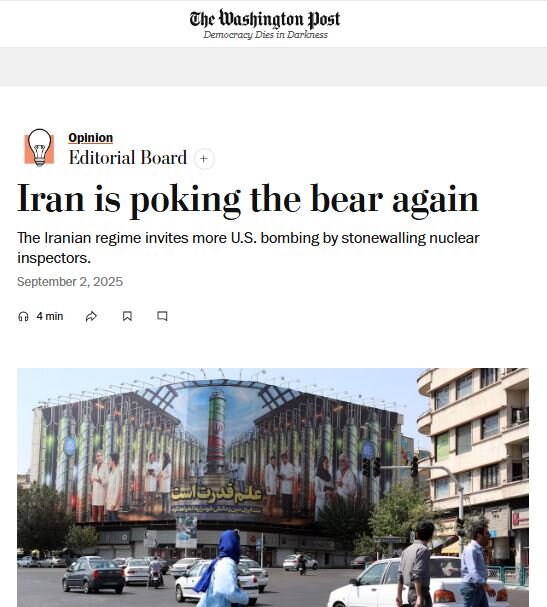
The uncertainty surrounding whether the current U.S. Administration will finalize the truce adds a layer of complexity. Political analysts point out that international agreements of this magnitude are rarely isolated from broader foreign policy goals. Whether this potential deal serves as a precursor to a more permanent resolution or simply a temporary pause in hostilities remains the subject of intense debate among security experts. What is clear is that the international community is closely observing the decision-making process in both Washington and Tehran, as the outcome will dictate the security outlook for the remainder of the year.
What Happens Next: Monitoring the Situation
As we move into the coming weeks, the primary checkpoint for observers will be the formal announcement—or rejection—of the 60-day extension. Interested parties should look for official statements from the U.S. Department of State and the Iranian Ministry of Foreign Affairs, as these will be the only sources of definitive confirmation regarding the status of the truce. Independent verification remains the gold standard for navigating these reports, and readers are encouraged to rely on official press briefings for updates.
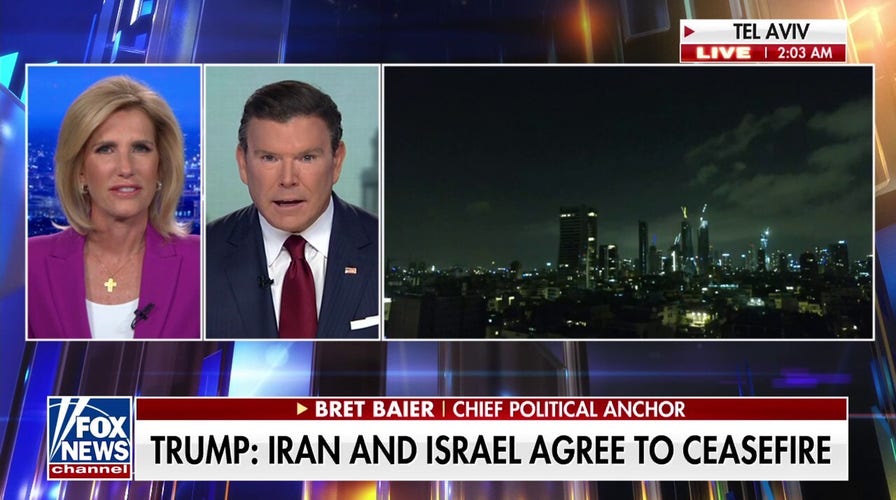
For those tracking the humanitarian and economic impacts, monitoring the official reports from the United Nations and relevant maritime safety portals will provide the most accurate assessment of the situation on the ground. As this story continues to evolve, we will provide ongoing analysis and factual updates on our news desk. We invite our readers to share their thoughts and engage in the conversation below; ensuring that we remain informed through verified, transparent reporting is more critical now than ever.
Jonathan Reed serves as the News Editor for World Today Journal. With over 16 years of experience in international investigative reporting, he focuses on providing clarity and context to the world’s most pressing political and security developments.
- Daphne Joy Stuns in Black Lace Lingerie as Ex Sean “Diddy” Combs Faces Solitary Confinement
- Pilot Suspected of Crime Following Fatal Boat Accident Near Tjörn, Sweden
- BP Q2 Profit Hits $5.7 Billion Amid Trump Criticism of Big Oil Windfalls (time.news)
- Trump Administration Begins Systematic Appropriation of Japanese Manga (newsdirectory3.com)