
As a physician practicing in Berlin, I often see patients who are surprised to learn that their metabolic health is being silently impacted by choices they make in the supermarket aisle. The term “fatty liver disease”—specifically metabolic dysfunction-associated steatotic liver disease (MASLD)—is increasingly common, yet many people remain unaware that the condition is often driven by dietary habits that have become normalized in our modern, fast-paced world.
While we often associate liver damage with alcohol consumption, the reality is that the most prevalent form of the disease today is non-alcoholic, rooted in metabolic imbalances. Understanding the foods that accelerate liver damage is not about creating fear, but about empowering you to make informed decisions that support your long-term health. By identifying these common dietary culprits, You can take proactive steps to protect one of our body’s most vital organs.
The Hidden Impact of Ultra-Processed Foods
The primary driver behind the rising rates of liver fat accumulation is the consistent overconsumption of ultra-processed foods. These items are engineered for palatability but often lack the fiber, vitamins, and minerals necessary to support healthy metabolism. A critical component found in many of these products is high-fructose corn syrup, a sweetener that the liver processes differently than glucose. Unlike other cells in the body, the liver is the primary site for fructose metabolism; when consumed in excess, it can lead to increased lipogenesis, or the creation of fat within the liver cells, according to research published by the National Institute of Diabetes and Digestive and Kidney Diseases (NIDDK).
Many individuals unknowingly consume high amounts of added sugars through daily staples such as sweetened yogurts, salad dressings, and breakfast cereals. When the liver is overwhelmed by these sugars, it begins to store the excess energy as fat. Over time, this chronic accumulation can lead to inflammation and scarring, a process that defines the progression from simple fatty liver to more severe stages like non-alcoholic steatohepatitis (NASH), now increasingly referred to as MASH.
Sugary Beverages and Metabolic Stress
Perhaps the most significant contributor to liver fat is the intake of sugar-sweetened beverages. This includes not only traditional sodas but also “energy” drinks, sweetened iced teas, and many fruit juices that lack the fiber found in whole fruit. The rapid absorption of liquid sugar creates a massive metabolic demand on the liver. Clinical studies have consistently shown a strong correlation between the frequent consumption of these beverages and an increased risk of developing hepatic steatosis, as noted in data from the World Health Organization (WHO) regarding the impact of free sugars on health outcomes.
Refined Carbohydrates and Liver Health
Beyond added sugars, refined carbohydrates—such as white bread, white pasta, and pastries—act in a similar way to sugar once ingested. Because these foods have been stripped of their fiber content, they cause rapid spikes in blood glucose levels. This triggers an insulin response from the pancreas. When we consume these refined grains consistently, the resulting insulin resistance makes it much harder for the body to manage fat storage, leading to increased fat deposits in the liver. According to guidelines from the European Association for the Study of the Liver (EASL), a diet high in refined carbohydrates is a major risk factor for the progression of metabolic liver disease.
Replacing these refined options with whole-grain alternatives, such as quinoa, oats, or brown rice, provides the fiber necessary to slow down digestion. This simple switch helps stabilize blood sugar levels and reduces the burden on the liver, allowing it to function more effectively in its role of regulating metabolism, and detoxification.
The Role of Saturated and Trans Fats
While sugars and refined grains are major players, the type of fat we consume also matters significantly. Diets high in saturated fats, often found in red meat, processed meats (like sausages and deli meats), and full-fat dairy, can exacerbate liver inflammation. Even more concerning are trans fats, which are sometimes still found in processed snacks and fried foods. These fats are known to increase systemic inflammation and contribute to the development of insulin resistance, which is the hallmark of metabolic syndrome.
The American Heart Association emphasizes that reducing the intake of trans fats is essential for cardiovascular health, and these same principles apply directly to the health of the liver. By prioritizing heart-healthy fats—such as those found in avocados, olive oil, nuts, and fatty fish like salmon—we can provide the body with essential fatty acids that reduce inflammation rather than promoting it.
Practical Steps Toward Liver Recovery
The liver is an incredibly resilient organ. One of the most encouraging facts in medical science is that early-stage fatty liver disease is often reversible through lifestyle interventions. It does not necessarily require drastic, unsustainable changes, but rather a consistent shift toward a more nutrient-dense, whole-food-based diet. Here are a few evidence-based strategies to consider:
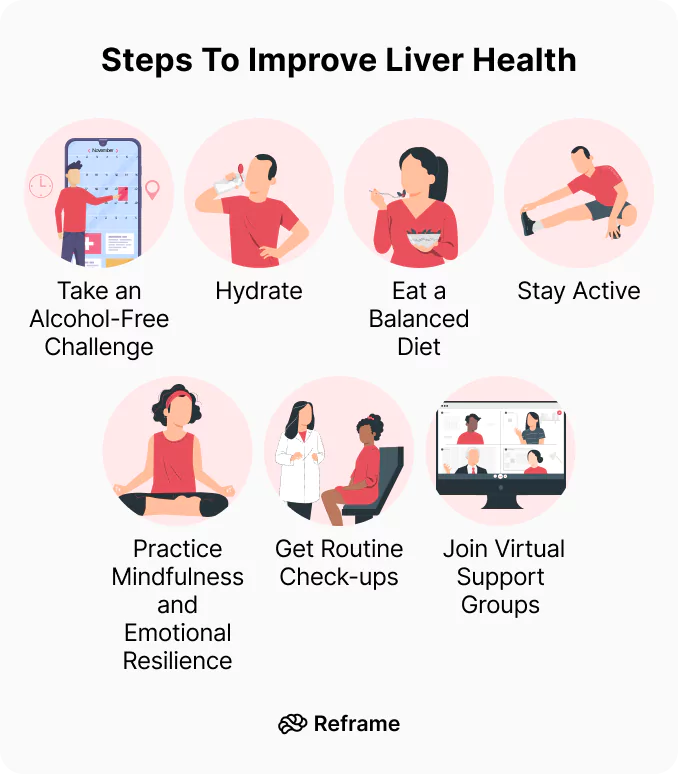
- Prioritize Whole Foods: Focus on a Mediterranean-style diet, which is rich in vegetables, fruits, legumes, and healthy fats.
- Hydration: Choose water, herbal tea, or black coffee over sweetened beverages. Studies have suggested that moderate coffee consumption may actually have a protective effect on the liver, though this should be discussed with your physician.
- Read Labels: Become an expert at reading ingredient lists. If “high-fructose corn syrup,” “dextrose,” or “sucrose” appear near the top of the list, consider choosing a different product.
- Physical Activity: Regular exercise helps improve insulin sensitivity and assists the liver in processing stored fat more efficiently.
If you are concerned about your liver health, the most important step is to consult with a healthcare professional. Blood tests, such as liver enzyme panels (ALT and AST), and imaging, such as an ultrasound or FibroScan, are standard tools used to assess liver health. These tests are vital for getting a clear picture of your current status and for monitoring progress.
Conclusion: A Proactive Approach
Understanding the impact of what we eat is the first step toward better health. By being mindful of the hidden sugars, refined carbohydrates, and unhealthy fats in our daily diet, we can significantly lower our risk of liver disease and improve our overall metabolic well-being. There is no magic pill for liver health; rather, it is the cumulative effect of small, consistent, and healthy choices.
As we look toward future public health initiatives, the focus remains on the importance of nutrition education and accessible, healthy food environments. For the latest guidelines on metabolic health, I recommend checking for updates from the World Health Organization as they continue to refine their recommendations on diet and non-communicable diseases. If you have found this information helpful, please share this article with your community or leave a comment below with your own experiences in adopting a liver-friendly lifestyle.
Worth a look