
On Sunday, April 26, 2026, reports emerged of coordinated military actions by the United States and Israel against Iran, marking a significant escalation in regional tensions. The developments follow heightened diplomatic friction over Iran’s nuclear program and military capabilities, with both Washington and Tel Aviv citing strategic imperatives to act.
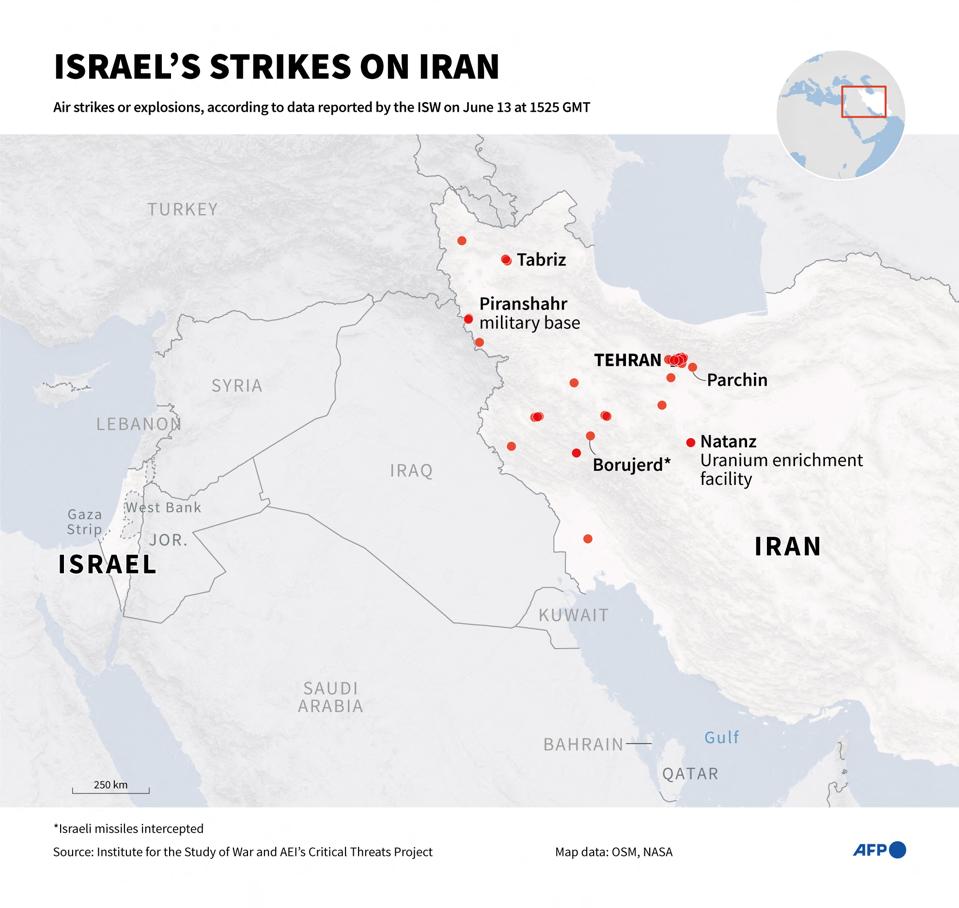
According to verified sources, the operation—referred to by Israeli officials as a preventive strike—targeted multiple sites across Iran, including the capital Tehran and cities such as Isfahan, Karaj, Qom, and Kermanshah. Explosions were reported in these areas during the early hours, accompanied by sirens and emergency alerts. Israeli military authorities described the campaign as involving coordinated air strikes and multi-front objectives aimed at degrading perceived imminent threats.
The stated rationale centers on longstanding concerns regarding Iran’s nuclear ambitions and ballistic missile development. Israeli leadership has consistently maintained that it will not tolerate a nuclear-armed Iran, a position echoed by senior U.S. Officials in recent diplomatic engagements. Despite weeks of negotiations in Islamabad aimed at curbing uranium enrichment and missile proliferation, no breakthrough was achieved, prompting the shift to military action.
U.S. President Donald Trump addressed the situation publicly, confirming the cancellation of a planned diplomatic envoy mission led by Steve Witkoff to Tehran. In remarks circulated through official channels, Trump framed the decision as necessary to prevent further entanglement, stating that resuming negotiations under current conditions would risk reigniting conflict without guarantees of compliance.
The broader context includes Iran’s internal power structure, where ultimate authority rests with the Supreme Leader, Ayatollah Ali Khamenei, who held the position until his passing on February 28, 2026. His successor has not yet been formally confirmed amid institutional transitions within the Islamic Republic. Khamenei’s tenure, beginning in 1989, was marked by centralized control over the military, foreign policy, and key economic sectors through institutions like the Islamic Revolutionary Guard Corps (IRGC), which maintains influence over ports, energy infrastructure, and financial networks.
Geopolitical analysts note that control of the Strait of Hormuz remains a critical flashpoint, given its role as a conduit for approximately one-fifth of global petroleum trade. Past incidents involving Iranian naval forces detaining commercial vessels in the strait have raised international alarms about potential disruptions to energy markets. The current operation coincides with increased naval posturing in the region, including reported movements of carrier groups and allied patrols.
Diplomatic Fallout and Regional Reactions
In the aftermath of the strikes, several nations issued statements urging restraint and calling for immediate de-escalation. The United Nations Security Council convened an emergency session to assess the situation, though no binding resolution was adopted due to divergent views among member states. European Union foreign ministers emphasized the need for dialogue, warning that military escalation could undermine years of non-proliferation efforts.

Iranian state media acknowledged the attacks but did not release casualty figures or specific infrastructure damage reports. Officials in Tehran characterized the action as an act of aggression and vowed a proportional response, though details of any retaliatory measures remain unconfirmed. Neighboring countries, including Iraq and Lebanon, reported heightened alert levels among their armed forces due to spillover risks.
Israel’s defense establishment reiterated that the operation was conducted with precision to minimize civilian impact, targeting only military and strategic assets. However, independent verification of such claims has not been independently corroborated by international monitoring bodies as of the latest available reports. Humanitarian organizations operating in the region have called for unimpeded access to assess potential civilian consequences.
Global Implications and Energy Markets
Financial markets reacted swiftly to the news, with crude oil prices experiencing intraday volatility. Brent crude futures rose sharply in early trading before stabilizing amid mixed signals about supply disruptions. Analysts at major energy firms noted that while Iran’s exports have been constrained by existing sanctions, any further reduction in output or blockage of key shipping lanes could amplify global price pressures.
The Strait of Hormuz, through which roughly 17 million barrels of oil pass daily according to historical data from the U.S. Energy Information Administration, remains a focal point of concern. Any sustained interference with tanker traffic could trigger cascading effects on refining operations in Asia and Europe, particularly for nations dependent on Middle Eastern crude.
In response, the U.S. Central Command increased surveillance patrols in the Gulf of Oman and coordinated with regional allies to ensure freedom of navigation. Naval assets from the United Kingdom, France, and Saudi Arabia were reported participating in joint exercises aimed at deterring interdiction attempts. These measures are part of an established maritime security framework designed to mitigate risks during periods of heightened tension.
Path Forward and Unresolved Questions
As of the latest updates, no formal ceasefire or diplomatic initiative has been announced to halt hostilities. The White House has not indicated plans for additional military deployments beyond current force levels in the region, though defense officials continue to assess threat intelligence. Israeli authorities have not ruled out further actions if intelligence suggests reconstitution of threatened capabilities.
International observers stress that the absence of transparent communication channels between Washington, Tel Aviv, and Tehran increases the risk of miscalculation. Confidence-building measures, such as hotline communications or third-party mediation, have not been reactivated following the breakdown of recent talks. Experts warn that prolonged instability could encourage proxy activities across multiple fronts, including in Syria, Yemen, and along Israel’s northern border.
For real-time updates, readers are directed to official sources including the U.S. Department of Defense’s news releases, the Israel Defense Forces’ spokesperson unit, and the International Atomic Energy Agency’s public briefings on nuclear developments. These platforms provide the most authoritative information on force movements, diplomatic engagements, and verification efforts related to Iran’s declared nuclear activities.
The situation remains fluid, with no confirmed timeline for de-escalation or resumption of dialogue. Continued monitoring by multilateral institutions and regional stakeholders will be essential to determining whether the current episode represents an isolated incident or the beginning of a more sustained confrontation.
Stay informed through trusted channels, and consider sharing this update to aid others access verified information during rapidly evolving events.
Keep reading