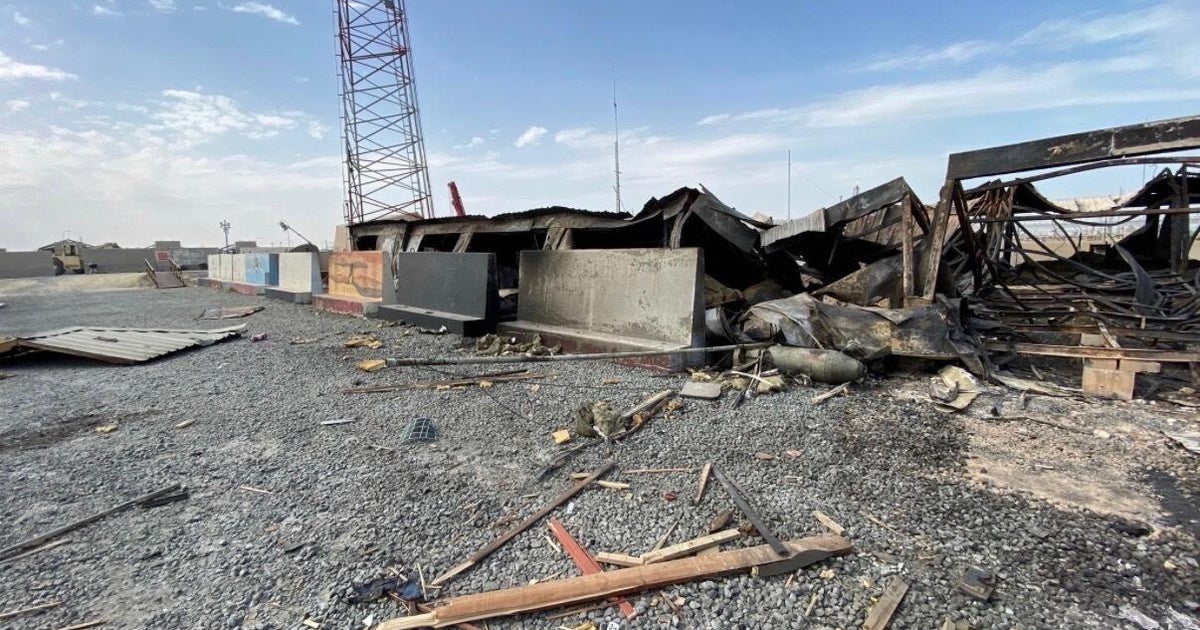
Survivors of a devastating Iranian drone strike in Kuwait are speaking out to challenge the official narrative provided by the U.S. Department of Defense. Soldiers who were on the ground during the attack claim that their unit was left dangerously exposed and lacked the necessary fortifications to defend itself, directly contradicting statements made by Defense Secretary Pete Hegseth.
The incident, which occurred on March 1, 2026, resulted in the deaths of six U.S. Service members and left more than 20 others wounded according to reports. The attack took place at a port facility in Port Shuaiba, marking one of the deadliest Iranian strikes on U.S. Forces since the start of the current conflict following Donald Trump’s decision to launch a war on Iran as detailed by CBS News.
At the center of the dispute is the description of the tactical environment. While the Pentagon maintains that the site was fortified, eyewitnesses from the Army’s 103rd Sustainment Command describe a “thinly fortified” facility where personnel were unprepared for the scale of the assault. These accounts suggest a significant gap between the leadership’s perception of security and the reality faced by troops in the field.
The fallout from the strike has sparked a broader debate regarding military transparency and the accuracy of briefings provided to the public during active wartime operations. As the remains of fallen soldiers, including Maj. Jeffrey R. O’Brien, were returned to the U.S. On March 7, 2026 at Dover Air Force Base, the tension between the survivors’ testimony and the official record has intensified.
The “Squirter” Narrative vs. Ground Reality
During a press briefing on March 2, Defense Secretary Pete Hegseth addressed the tragedy by attributing the loss of life to a specific type of failure in air defense. Hegseth described the drone that struck the tactical operation center as a “squirter”—a term used to describe a projectile that manages to slip through otherwise effective defenses according to the Defense Secretary’s remarks.
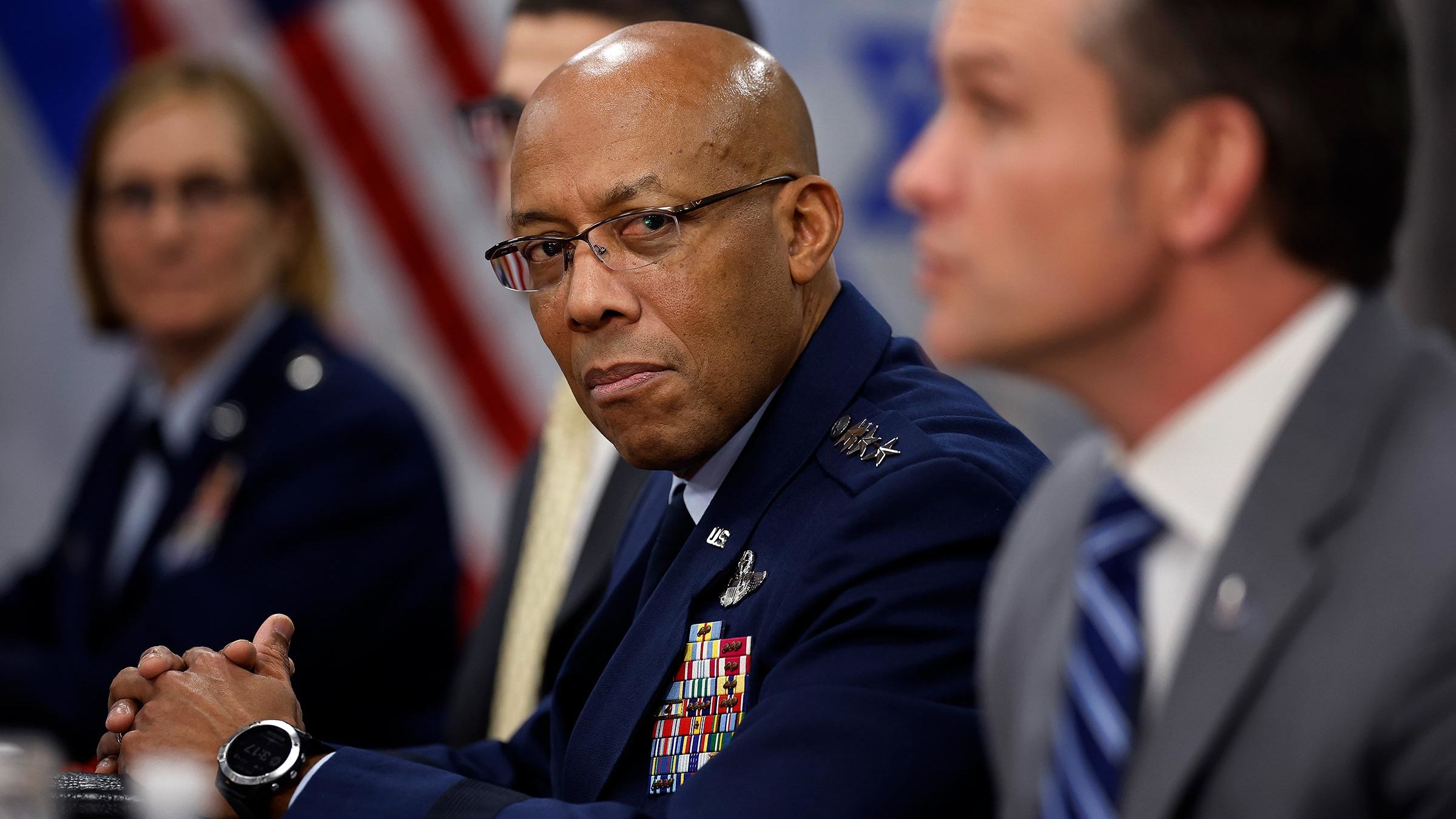
Hegseth emphasized the quality of U.S. Air defenders, stating that while most threats are neutralized, “every once in a while you might have one… That makes its way through.” Crucially, he asserted that the tactical operation center hit by the drone was “fortified,” though he acknowledged that the weapons employed by Iran are powerful as stated during the March 2 briefing.
However, soldiers who survived the attack have labeled this description a “falsehood.” One injured soldier, speaking on the condition of anonymity due to strict military media restrictions, told CBS News that the unit was “unprepared to provide any defense for itself” and explicitly stated, “It was not a fortified position” according to the survivor’s account.
The discrepancy focuses on whether the casualties were the result of an unavoidable “squirter” hitting a secure location, or if the location was inherently insecure, leaving the soldiers vulnerable to any strike that reached the perimeter. Survivors describe a scene of “carnage” within a charred and splintered compound, suggesting the lack of fortification contributed to the severity of the casualties as reported by CBS News.
Impact on the 103rd Sustainment Command
The personnel targeted in the March 1 strike belonged to the Army’s 103rd Sustainment Command. Despite the alleged lack of preparation and security failures, survivors have praised the bravery of those who responded to the attack. One service member noted that the soldiers inside the compound responded with “swiftness, ingenuity and valor” to save lives in the immediate aftermath of the blast according to survivor testimony.
The survivors argue that the courage of the troops should not be overshadowed by the failures of leadership or the security environment. The 103rd Sustainment Command members emphasized that their colleagues put themselves in harm’s way under conditions that were far more precarious than the Pentagon has publicly admitted as reported by CBS News.
The human cost of the strike is highlighted by the loss of six service members and the wounding of more than 20 others according to verified reports. For the families of the deceased and the wounded, the dispute over whether the base was “fortified” is not merely a matter of semantics, but a question of whether the troops were provided with the necessary protection required for a high-threat environment.
Accountability and Military Transparency
The contradiction between the Defense Secretary’s briefing and the accounts of the soldiers on the ground raises significant questions about military accountability. The survivors’ decision to speak publicly—albeit anonymously—reflects a perceived need to correct the record, as they believe the Pentagon is misleading the public about the nature of the Kuwait base attack according to reports from NewsNation.
This tension is compounded by the “rigid media restrictions” within the military, which forced the survivors to hide their identities to avoid professional repercussions while attempting to provide a detailed account of the attack and its harrowing aftermath as reported by CBS News.
The situation underscores the volatility of the current conflict with Iran and the pressures facing the Department of Defense to maintain a narrative of competence and strength. By framing the event as a rare failure of an otherwise “incredible” air defense system, the Pentagon avoids addressing potential systemic failures in base security and troop preparation in Kuwait.
Key Event Timeline
| Date | Event |
|---|---|
| March 1, 2026 | Iranian drone strike hits a U.S. Tactical operation center in Port Shuaiba, Kuwait, killing 6 and wounding 20+ service members. |
| March 2, 2026 | Defense Secretary Pete Hegseth holds a press briefing, describing the drone as a “squirter” and claiming the site was fortified. |
| March 7, 2026 | Remains of Maj. Jeffrey R. O’Brien and other fallen soldiers are transferred at Dover Air Force Base. |
As the investigation into the March 1 attack continues, the focus remains on whether the Department of Defense will address the specific claims made by the survivors of the 103rd Sustainment Command or maintain the current official version of events. There is currently no confirmed date for a congressional hearing or a formal independent review of the base’s fortifications.
We invite our readers to share their perspectives on military transparency in the comments below. Please share this report to keep the global community informed on the developments of the conflict in the Middle East.
Worth a look