The geopolitical tension in the Persian Gulf has reached a critical flashpoint as the United States implements a sweeping naval blockade of Iranian ports. The operation, which began close to 10 a.m. ET on April 13, 2026, follows the collapse of peace talks between the U.S. And Iran in Pakistan on April 12 USA TODAY.
President Donald Trump is executing the blockade to target vessels of all nations entering or departing Iranian ports and coastal areas, including those on the Arabian Gulf and the Gulf of Oman. According to the U.S. Central Command, the measure applies to all vessel traffic regardless of the country flag they fly USA TODAY. While the U.S. Military has not officially released the full specifics of the operation, an unidentified official cited by The Wall Street Journal indicates that at least 15 U.S. Warships are involved in the blockade USA TODAY.
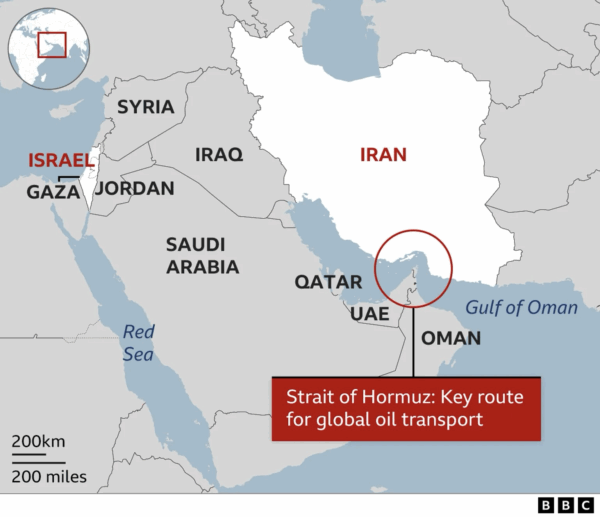
The strategic focus of this operation centers on the Strait of Hormuz, a narrow waterway that serves as the world’s most important oil transit chokepoint. The U.S. Military has clarified that vessels transiting the Strait of Hormuz to and from non-Iranian ports will not be impeded Reuters. However, the move has sparked immediate condemnation from Tehran, which has characterized the blockade as “piracy” USA TODAY.
As the world watches the economic and military implications, the blockade’s timing is particularly precarious. It remains unclear how these developments will affect a two-week ceasefire currently in place in Iran USA TODAY. Meanwhile, regional allies are divided; NATO members have refused to join the blockade, while Israeli Prime Minister Benjamin Netanyahu has expressed his support for the U.S. Action USA TODAY.
The Strategic Mechanics of the Strait of Hormuz Blockade
The current U.S. Naval blockade is designed to isolate Iranian ports by controlling the flow of maritime traffic. To establish this presence, the U.S. Navy deployed guided-missile destroyers through the Strait of Hormuz as early as April 11, 2026, to establish new routes for merchant ships U.S. Naval Institute. This positioning was a precursor to the full-scale blockade that commenced on April 13.
A naval blockade, by definition, requires a formal announcement and clearly defined boundaries. This protocol is intended to allow neutral shipping vessels to either seek alternate routes or request passage on humanitarian grounds USA TODAY. In this instance, the U.S. Has explicitly notified shipping companies that the restrictions apply to all traffic regardless of the flag flown, effectively cutting off Iranian commercial access to the sea.
The geography of the region plays a pivotal role in this confrontation. The Strait of Hormuz is the only sea passage from the Persian Gulf to the open ocean. Because of this, any force capable of controlling the Strait can effectively throttle the economy of any nation relying on it for trade. While the U.S. Is attempting to blockade Iranian ports specifically, the proximity of these ports to the narrowest parts of the Strait means that the blockade’s operational area overlaps with the primary transit lanes for global energy supplies.
Economic Fallout and Global Energy Markets
The escalation in the Persian Gulf has immediate implications for global markets, specifically regarding energy prices. Reports indicate that the blockade may further increase gas prices as uncertainty grows over the stability of oil shipments USA TODAY. The Strait of Hormuz is critical for the transit of tankers, and the presence of warships and blockaded zones creates a high-risk environment for commercial shipping.
Observations from early April 2026 showed hundreds of tanker ships clustering near the Strait of Hormuz, awaiting entry or attempting to navigate the tension USA TODAY. The economic “game of chicken” between Washington and Tehran is now being played out in real-time, with the U.S. Using its naval superiority to pressure Iran following the failure of diplomatic efforts in Pakistan.
The impact is not limited to oil prices. The blockade disrupts the entire logistics chain for any vessel intending to dock at Iranian ports. By restricting “vessels of all nations,” the U.S. Is effectively forcing third-party shipping companies to choose between continuing trade with Iran and risking seizure or interference by the U.S. Navy.
Diplomatic Failures and Regional Reactions
The path to the blockade was paved by the breakdown of peace talks. On April 12, 2026, negotiations between the United States and Iran in Pakistan failed, with both nations blaming the other for the impasse USA TODAY. This failure provided the immediate catalyst for President Trump to follow through on his threat to blockade Iranian ports.
The regional response highlights a deep divide in international alignment:
- Israel: Prime Minister Benjamin Netanyahu has voiced support for the blockade. He has also vowed to continue military operations in Lebanon, even as peace talks regarding that specific conflict are scheduled to take place in Washington USA TODAY.
- NATO: Allies of the United States within NATO have refused to participate in the blockade, signaling a lack of consensus among Western powers on the legality or strategic wisdom of the move USA TODAY.
- Iran: The Iranian government has condemned the action as “piracy,” asserting that the U.S. Is violating international maritime norms USA TODAY.
Key Timeline of Events
| Date | Event | Detail |
|---|---|---|
| April 11, 2026 | U.S. Warship Transit | Two guided-missile destroyers enter the Strait to establish merchant routes USNI. |
| April 12, 2026 | Diplomatic Collapse | U.S.-Iranian peace talks in Pakistan break down USA TODAY. |
| April 13, 2026 | Blockade Commences | U.S. Forces begin blockading Iranian ports at approximately 10 a.m. ET USA TODAY. |
The situation remains volatile. While the U.S. Military maintains that non-Iranian traffic will not be impeded, the sheer scale of the deployment—including at least 15 warships—creates a physical and psychological barrier for all shipping in the region. The world now awaits whether this pressure will force Iran back to the negotiating table or trigger a wider military escalation in the Gulf.
The next critical checkpoint will be the upcoming peace talks in Washington regarding the conflict in Lebanon, where the spillover effects of the Hormuz blockade may be discussed alongside regional security arrangements.
World Today Journal encourages readers to share this report and leave their thoughts in the comments section below.
Related reading