
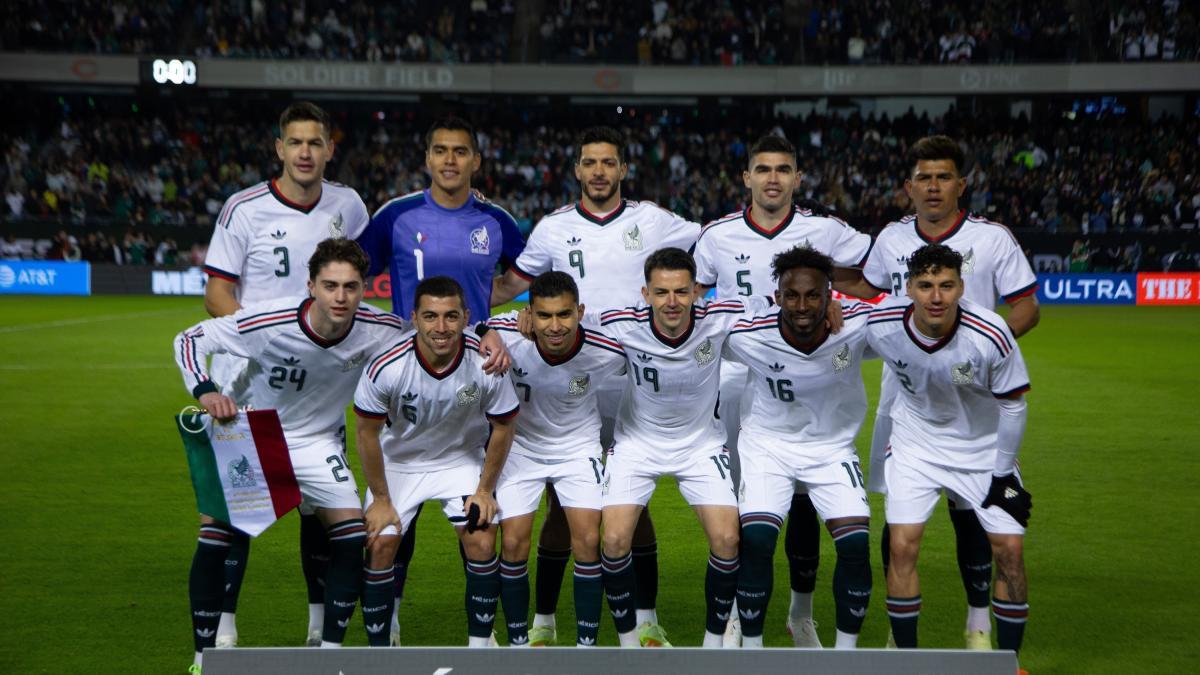
The landscape of sports broadcasting in Mexico is currently facing a pivotal moment of tension as the digital era clashes with traditional viewing habits. For decades, the Mexican National Team has been a cornerstone of free-to-air television, serving as a unifying cultural event accessible to millions regardless of their economic status. Still, the rise of global streaming giants has sparked a critical debate: should the matches of the National Team remain available on open television by law, or is the move toward exclusive subscription models inevitable?
This question has gained renewed urgency as streaming platforms expand their sports portfolios. The shift from traditional broadcast signals to encrypted streams represents more than just a technological change. it is a shift in who has access to the national identity embodied by the team. As viewers navigate the transition from antennas to apps, the industry is closely analyzing the regulations that govern “must-carry” content and the potential for exclusive digital deals.
While the legal framework surrounding sports broadcasting is complex, the appetite for football-centric content on streaming platforms is already evident. Netflix, for instance, is diversifying its offerings in the region, moving beyond scripted series into the realm of sports history and cultural icons.
Netflix and the Expansion into Mexican Football
The intersection of streaming and football is becoming more pronounced with new content initiatives. Netflix has introduced a project titled “México 86,” a proposal that delves into the second World Cup hosted by Mexico and the protagonists who defined that era Prensa Libre. This move signals a strategic interest in the deep emotional connection Mexican audiences have with their national team, utilizing archival history to build a bridge toward the modern sports consumer.
By focusing on the protagonists of the 1986 World Cup, Netflix is not just producing a documentary; it is positioning itself within the football conversation. This strategic entry into sports-related storytelling often serves as a precursor to broader ambitions. When a platform successfully captures the nostalgia and passion of a fanbase, the leap from historical documentaries to live event broadcasting becomes a logical, albeit controversial, next step.
The Debate Over Free-to-Air Access
The core of the current controversy lies in whether the Mexican National Team can be moved exclusively to a paid streaming service. In many territories, “listed events” or “crown jewel” events are protected by law to ensure they remain on free-to-air television, recognizing that certain sporting events are of such national importance that they should not be hidden behind a paywall.
Industry analysts are currently weighing the future of open television against the lucrative offers presented by streaming platforms. The transition to an exclusive model would mean that a significant portion of the population—those without high-speed internet or the means to pay for multiple subscriptions—could be excluded from watching their national team in real-time. This has led to an ongoing analysis of existing norms and whether current regulations are sufficient to prevent a total migration to paid digital platforms.
Who is Affected by the Shift?
The potential move toward exclusivity impacts several key stakeholders:

- The General Public: Low-income households that rely on free-to-air signals for news and entertainment.
- Traditional Broadcasters: Television networks that have historically used National Team matches to drive massive advertising revenue.
- Streaming Platforms: Companies like Netflix that seek to increase subscriber acquisition by offering high-demand, exclusive live content.
- The Federation: Governing bodies that must balance the desire for maximum financial return with the need to maintain the team’s popularity and accessibility.
What Happens Next?
As the sports media landscape continues to evolve, the tension between accessibility and profitability will likely intensify. The arrival of projects like “México 86” proves that the infrastructure for football storytelling is already in place on streaming platforms. The next critical phase will be the negotiation of broadcasting rights for upcoming tournament cycles.
While there is no confirmed official ruling stating that all future matches must remain on free-to-air TV, the public outcry and the cultural significance of the team make it a high-stakes legal and social issue. The industry is now awaiting official updates regarding the next cycle of broadcasting contracts and any potential legislative adjustments to protect the accessibility of national sports.
We will continue to monitor official filings and government announcements regarding broadcasting mandates in Mexico. Share your thoughts in the comments: do you believe National Team matches should be protected by law for free-to-air TV, or is the shift to streaming an inevitable part of progress?